Exploring Chiyoda with Kids: Family Guide to Tokyo's Heart
Key takeaways
- Chiyoda offers wide green spaces and quiet walking paths away from Tokyo's crowded tourist hubs.
- Tokyo Station in Chiyoda is an ideal base for train-loving children, dining, and character shopping.
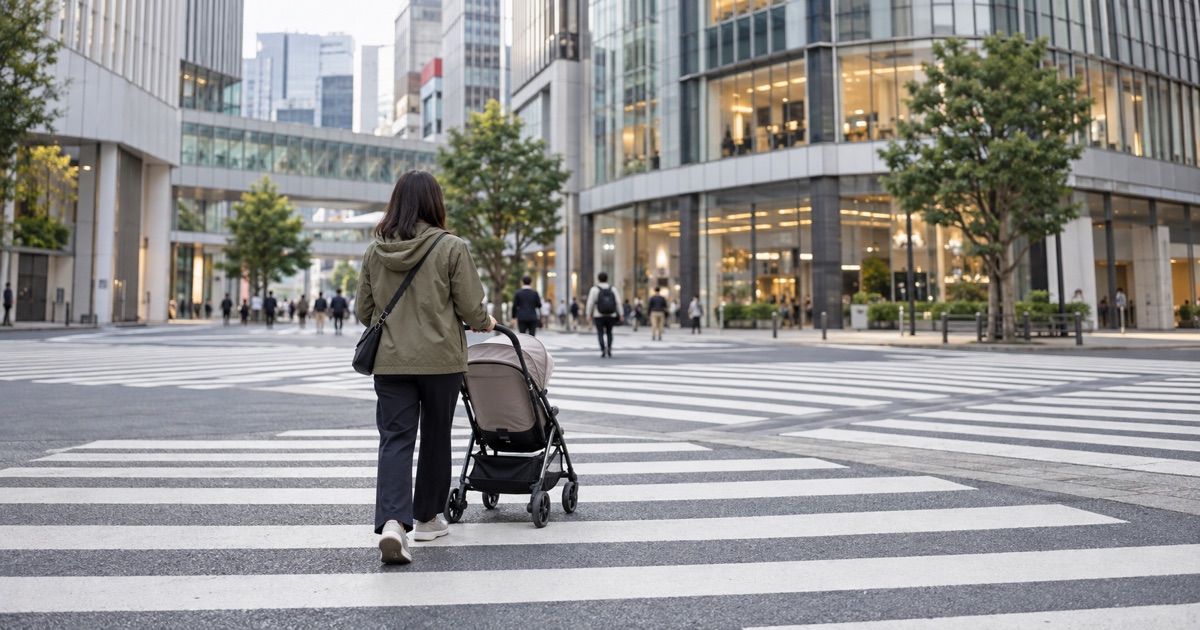
- Paved pathways make the Imperial Palace East Gardens accessible with sturdy strollers.
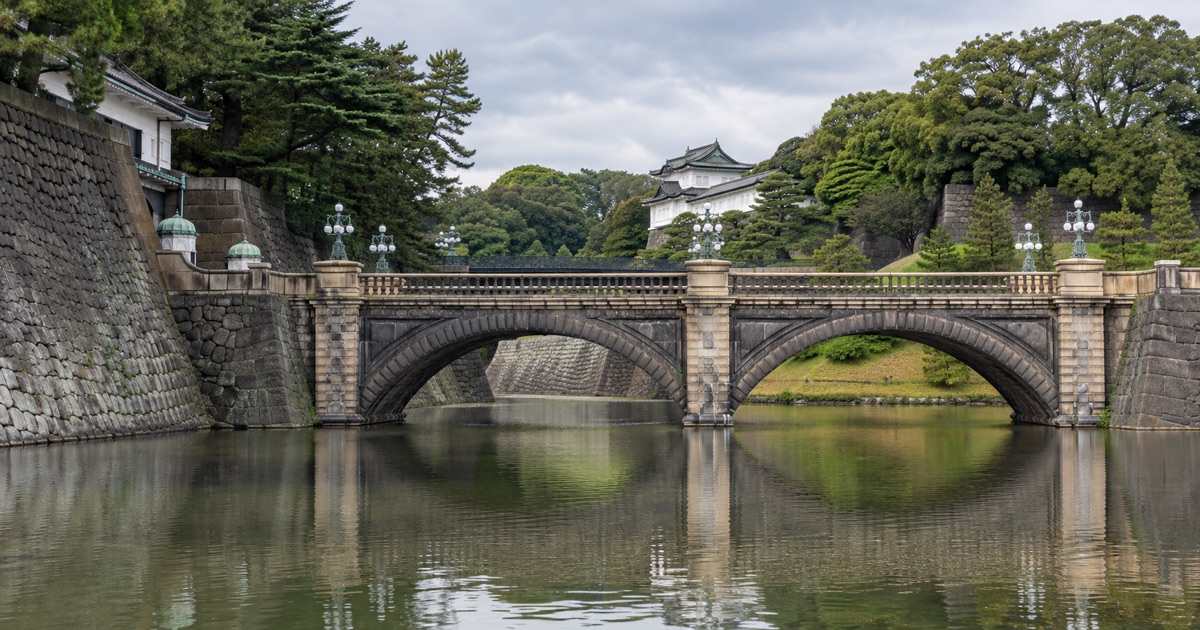
Visiting Chiyoda with kids gives families an open, relaxed environment right in the historical and political heart of Tokyo. Home to the Imperial Palace, tranquil national parks, and bustling Tokyo Station, this central ward blends wide green lawns with child-friendly cultural and transport hubs.
For visiting parents, Chiyoda (千代田区) acts as a welcome escape from the sensory overload found in shopping districts like Shibuya or Shinjuku. With massive open spaces, flat promenades, and direct access to high-speed trains, it works smoothly into any family itinerary.
Getting Oriented: The Family Appeal of Chiyoda
Chiyoda contains some of Tokyo’s most iconic landmarks, including the Imperial Palace (皇居, Kokyo), the National Diet Building, and Tokyo Station (東京駅). Despite being a political and financial district during the workweek, its open layout creates plenty of breathing room for energetic children.
Because the area is anchored by Tokyo Station, transport logistics are straightforward. You can arrive via nearly every major train line in the city, including the JR Yamanote Line, the Tokyo Metro Marunouchi Line, and several Shinkansen routes. If you are exploring regional Japan, tools from JR East make navigating local suburban and intercity transit simple.
Outdoor Escapes: Parks and Palace Grounds
When travelling with toddlers and younger children, finding outdoor spaces where they can walk, run, and stretch without bumping into heavy crowds is essential. Chiyoda features several expansive green areas that fit this need perfectly.
The Imperial Palace East Gardens
The Imperial Palace East Gardens (皇居東御苑, Kokyo Higashi Gyoen) occupy the former site of Edo Castle's innermost circles of defense. Admission is free, making it an easy, budget-conscious choice for family sightseeing.
Children will love climbing the sloping stone ruins of the former Tenshudai (天守台) castle keep tower, which offers a broad, elevated view of the gardens and the Marunouchi skyline. The paths throughout the grounds are generally wide and paved, though you will encounter gentle inclines and occasional packed-gravel walkways. A sturdy lightweight stroller handles the terrain easily, but an umbrella stroller with tiny wheels may struggle on the gravel paths.
Practical Tips:
- Restrooms: Clean public restrooms are located near the entrances, including the Otemon Gate (大手門), and most include baby changing tables.
- Snacks: You can bring personal snacks and water bottles inside. Finding a spot on the sprawling Ninomaru lawn is ideal for an impromptu picnic lunch while toddlers burn off energy.
- Pacing: Plan for roughly 1.5 to 2 hours of easy walking. Avoid the middle of the day during summer months, as shade across the central lawns can be sparse.
Hibiya Park
Situated just south of the palace grounds, Hibiya Park (日比谷公園, Hibiya Koen) is Tokyo's oldest Western-style park. It is a fantastic decompression zone if you have spent the morning walking through station malls or concrete streets.
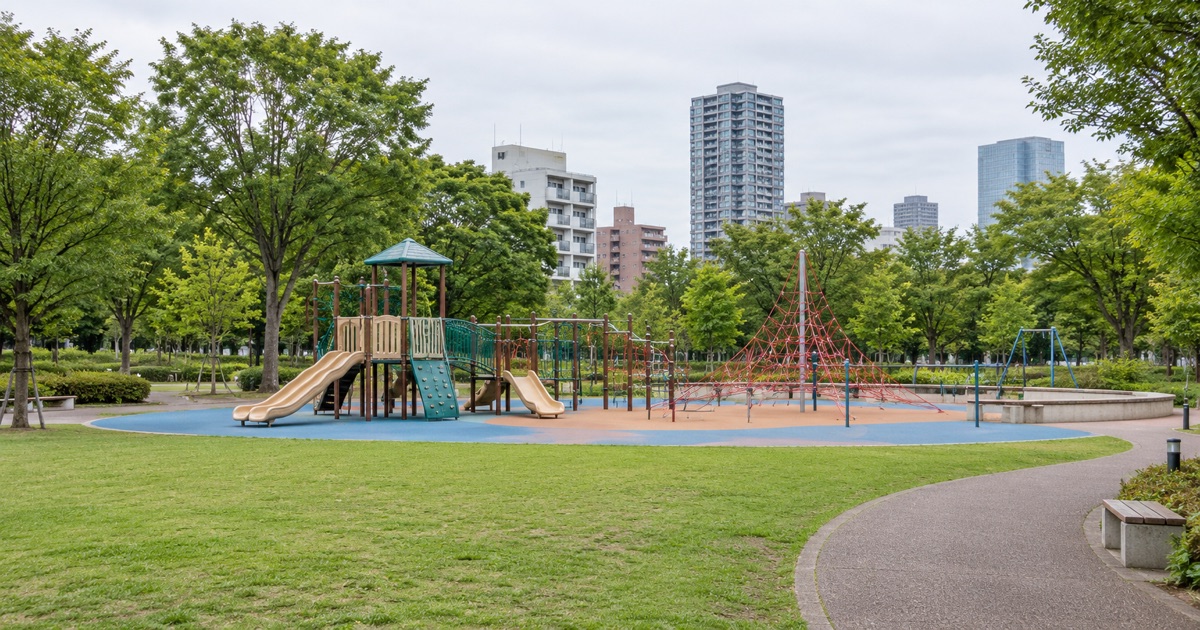
Here, children can watch turtles and koi carp swim in the park’s two large ponds, run around open plazas, or play in the designated children’s playground area complete with climbing equipment, slides, and swings. The wide benches under large ginkgo and zelkova trees make comfortable spots for outdoor nursing or midday stroller naps.
Kitanomaru Park and the Science Museum
Located on the northern edge of the Imperial Palace, Kitanomaru Park (北の丸公園) provides deep shade and quiet walkways. It is also home to the Science Museum, Tokyo (科学技術館, Kagaku Gijutsukan).
Unlike some traditional museums that enforce quiet contemplation, this science museum is heavily interactive. Children can touch, build, and experiment with mechanics, optical illusions, optics, and robotics across multiple floors. Most exhibits provide enough intuitive hands-on engagement that non-Japanese speakers can participate without difficulty. Always check their official website for current entry procedures, exhibition rotations, and admission fees before visiting.

We are working to carry Japanese craft and everyday culture beyond Japan, by building Japan Towns with local partners.
Read the Japan Town plan →Tokyo Station: A Wonderland for Young Train Fans
Tokyo Station is not just a transit hub; it is practically an indoor theme park for young children. If your children are fascinated by trains, characters, or Japanese snacks, you could easily spend half a day exploring the station complex.
Train-Spotting Platforms
Because Tokyo Station serves as the terminal point for multiple Shinkansen lines, it is one of the best places in Japan to view famous bullet trains up close. By purchasing an inexpensive platform ticket (入場券, nyujoken) at any JR ticket machine, you can access the gated platform areas without catching a train.
Children can stand safely behind the safety gates and watch sleek Shinkansen models—such as the green E5 Hayabusa or the red E6 Komachi—pull into the platforms, unload passengers, and undergo their famous rapid-cleaning turnarounds.
Tokyo Character Street
Located on the basement level of Tokyo Station First Avenue (東京駅一番街), Tokyo Character Street features dozens of themed shops dedicated to world-famous Japanese media franchises.
You will find official shops for:
- Pokémon Store
- Studio Ghibli (Donguri Republic)
- Plarail and Tomica (model trains and cars)
- Sanrio (Hello Kitty)
- Sumikko Gurashi
The corridors can become dense with shoppers during late afternoons and weekends. Visiting right around shop opening times on a weekday morning gives you more physical space to navigate strollers through narrow shop aisles.
Picky Eaters and Family Dining in Chiyoda
Feeding young children in unfamiliar cities can cause stress, but Chiyoda’s massive concentration of department stores and underground shopping complexes provides reliable solutions.
B1 Food Halls (Depachika)
Underneath Tokyo Station and nearby department stores like Daimaru Tokyo, you will find depachika (basement food halls). These sprawling culinary markets sell everything from hot skewers (yakitori) and skewered meatballs to steamed buns, fresh fruit, bento boxes, and Western-style sandwiches.
If sit-down dining feels overwhelming with a tired child, purchasing a collection of mild finger foods, rice balls (onigiri), and cut fruit to eat back in your hotel room or outside in Hibiya Park is a practical alternative.
Kid-Friendly Sit-Down Options
Inside the Marunouchi and Otemachi office complexes connected to Tokyo Station via underground pedestrian concourses, you will find casual restaurant floors with English picture menus and plastic food displays.
- Udon and Soba: Noodle shops provide simple, mild dashi broth and plain noodles that appeal to conservative young palates. You can ask for an extra small bowl (torizara) and child cutlery (kodomo-yo foku).
- Family Cafes: Western-style bakeries and casual Italian pasta spots are widely distributed throughout the office basements, offering simple tomato or butter pastas, high chairs, and child-safe seating.
Practical Family Survival Tips for Chiyoda
Navigating Chiyoda with small children requires a few strategic habits to avoid physical fatigue:
- Plan for Station Navigation: Tokyo Station’s labyrinthine layout involves multiple levels. Follow the yellow overhead signs marked with elevator symbols. Finding an elevator during rush hours (roughly 8:00 to 9:30 AM and 5:30 to 7:00 PM) can mean waiting in short lines alongside office workers and travellers with luggage.
- Pack Weather Protection: The perimeter around the Imperial Palace is wide and exposed. Pack sun hats, sunscreen, and child sunglasses during late spring and summer, or windproof layers during winter, as breezes off the palace moats can feel brisk.
- Locate Nursing Rooms: Excellent, clean nursing rooms (akachan kyukeishitsu) with hot-water dispensers for baby formula, private nursing cubicles, and cushioned changing tables can be found inside Daimaru Tokyo Department Store and major station buildings.
- Use Official Resources: For broader destination details and regional travel advisories, consult the Japan National Tourism Organization when mapping out your multi-day routes across Tokyo.
Chiyoda balances open green spaces with Tokyo’s most efficient transit infrastructure, making it a reliable, stress-free hub for families exploring the capital.
FAQ
- Q. Is Chiyoda stroller-friendly for families?
- A. Yes, major areas like the Imperial Palace grounds and Tokyo Station have wide paths and elevators, though some gravel trails are best navigated with sturdy strollers.
- Q. Where can children eat safely around Tokyo Station?
- A. Tokyo Station contains underground malls like Tokyo Station First Avenue, offering kid-friendly casual options such as ramen, bakery sandwiches, and udon noodles.
- Q. Are there outdoor play spaces in Chiyoda?
- A. Hibiya Park and Kitanomaru Park offer wide lawns, playgrounds, and tree-lined paths where energetic children can run freely.
Cite or share this article
Copy the link below. If you quote this article, please link to this page as the source.