Sapporo with Kids Winter Guide: Snow Fun & Practical Tips
Key takeaways
- Sapporo is one of Japan's most family-friendly winter destinations thanks to massive snow parks and easy subway transit.
- Ditch the stroller for a baby carrier or sled; icy sidewalks make standard wheels unusable in city snow.
- Layering is critical: indoor shopping malls and trains run hot, while outdoor parks drop well below freezing.
Sapporo is one of the easiest, most rewarding winter destinations in Japan for families traveling with children. Between vast snow parks with gentle sledding hills and an extensive network of heated underground walkways, the city allows parents to balance sub-zero outdoor adventures with warm, stress-free indoor breaks.
Visiting northern Japan in the cold months can feel intimidating if you are traveling with a toddler or school-age child for the first time. With the right gear, smart transport choices, and realistic daily expectations, winter in Hokkaido becomes an unforgettable playground.
Top Winter Activities for Kids in Sapporo
Takino Suzuran Hillside National Park (滝野すずらん丘陵公園)
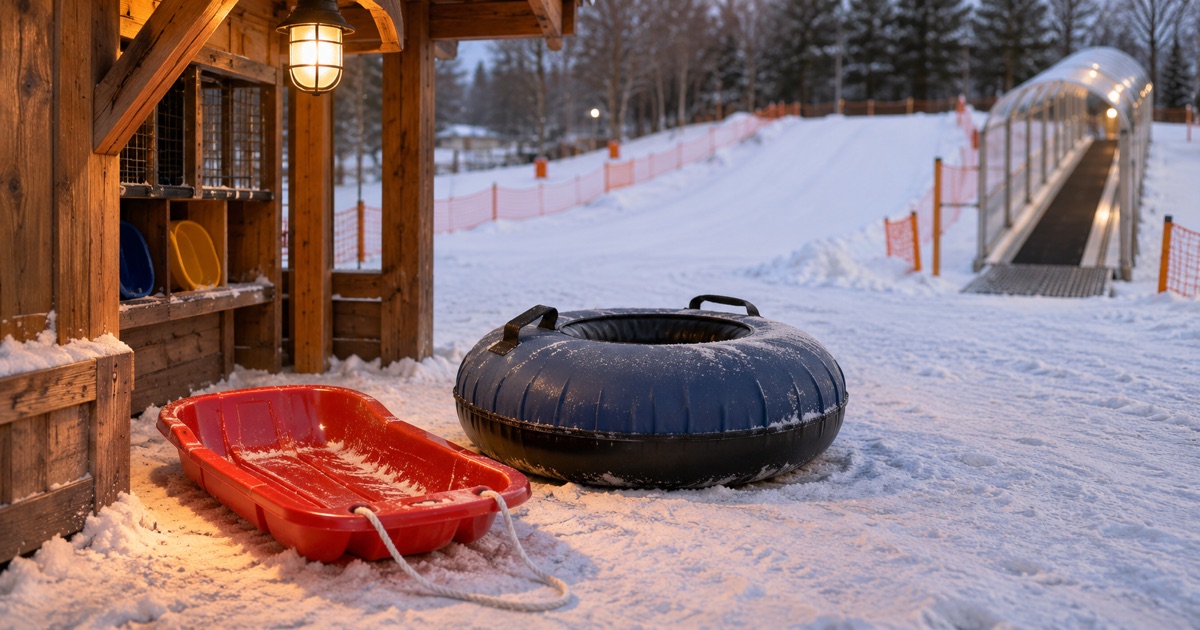
If your family does only one dedicated snow day outside the city center, make it Takino Suzuran Park. In winter, this massive public park transforms into "Takino Snow World." It features one of the longest tube sledding runs in Japan, serviced by an easy-to-ride surface tow lift that carries kids and parents up the hill without exhausting little legs.
For younger toddlers who might find large tube runs overwhelming, the park maintains gentle slope areas where small plastic sleds can be used freely. Tube rentals are generally free, while lift tickets and admission cost a modest fee (often under 500 yen for adults, and free for children, though fees can vary by season; check official details before traveling).
How to get there: Take the Namboku Subway Line from central Sapporo to Makomanai Station (真駒内駅), which takes about 18 minutes. From Makomanai, a local Hokkaido Chuo Bus runs directly to the park gates in roughly 30 to 40 minutes.
Moerenuma Park (モエレ沼公園)
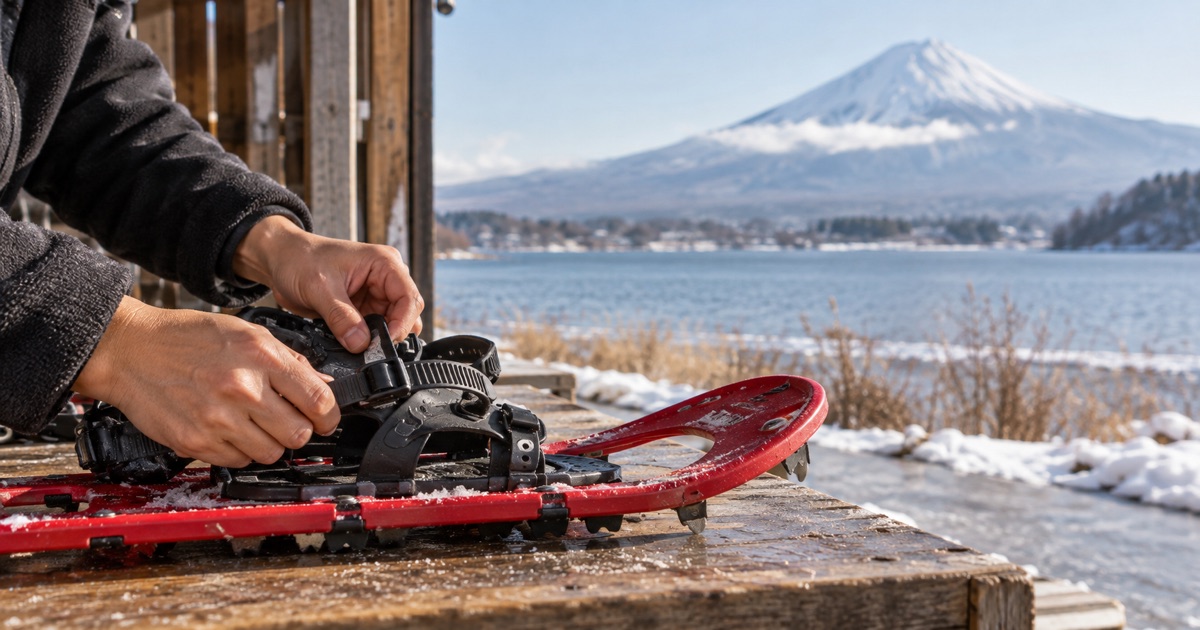
Designed by renowned artist Isamu Noguchi, Moerenuma Park offers vast, open geometry that completely transforms under feet of powder. Mount Moere, the park's centerpiece artificial hill, becomes a popular local hub for sledding and snowshoeing.
There are no tow lifts here, meaning kids walk up with their sleds. It is best suited for energetic children who love clambering up snowy peaks and flying down. Inside the park's massive glass pyramid, "Hidamari," families can warm up, use clean nursing rooms and spacious restrooms, and buy hot drinks from vending machines. Sled rentals are usually available for a few hundred yen inside the pyramid during peak winter months.
How to get there: Take the Toho Subway Line to Kanjo-Dori-Higashi Station (環状通東駅), then transfer to a local bus heading toward Moerenuma-Koen. Travel time from central Sapporo is around 45 to 55 minutes.
Hitsujigaoka Observation Hill (さっぽろ羊ヶ丘展望台)
Hitsujigaoka is famous for its bronze statue of Dr. William S. Clark, but during mid-winter, the grounds open the "Hitsujigaoka Snow Park." Here, kids can try cross-country skiing on flat trails, tube sledding, and building mini snowmen.
The hill offers wide-open views across the snowy Sapporo plain. Because the facilities cater heavily to day-trippers, you will find family restrooms, heated rest areas, and warm snacks like fried potato cakes and soft-serve ice cream made with rich local milk.
How to get there: Take the Toho Subway Line to Fukuzumi Station (福住駅), followed by a 10-minute ride on the Chuo Bus to the final stop at Hitsujigaoka.
Shiroi Koibito Park (白い恋人パーク)
When the weather turns excessively stormy, head indoors to Shiroi Koibito Park. This themed chocolate factory resembles an alpine fairy-tale village. Children can watch chocolate cookies rolling along production lines, participate in simple cookie-decorating workshops (reserve ahead when possible), and admire the outdoor courtyard's evening winter illuminations.
The park is completely paved, barrier-free, and easy to navigate with toddlers. It sits a short 7-minute walk from Miyanosawa Station (宮の沢駅) at the end of the Tozai Subway Line.
Navigating the Sapporo Snow Festival with Children
The Sapporo Snow Festival (さっぽろ雪まつり) takes place annually in early February across several sites, primarily Odori Park (大通公園) and the Tsudome (つどーむ) site.
- Odori Site: This downtown site showcases enormous, multi-story ice and snow sculptures. While visually stunning, it becomes packed with shoulder-to-shoulder crowds in the evenings. For families with little kids, visit between 9:00 AM and 11:00 AM. Sidewalks are clearer, lines for food stalls are short, and there is space to pull a toddler in a sled without bumping into people.
- Tsudome Site: This is the festival's dedicated family zone. Located outside the center, it offers massive ice slides, snow rafting behind snowmobiles, and a vast heated sports dome filled with indoor bouncy castles and food courts. Shuttle buses typically run from downtown subway stops during festival dates.
We are working to carry Japanese craft and everyday culture beyond Japan, by building Japan Towns with local partners.
Read the Japan Town plan →Winter Packing Essentials for Little Kids
Dressing children for Sapporo requires balancing extreme cold outdoors with intense indoor heating. Japanese trains, underground passages, and department stores are often heated above 20°C (68°F). If you put your child in a single, ultra-heavy fleece onesie, they will sweat profusely as soon as you step indoors.
- Waterproof Outerwear: Invest in a true waterproof (not just water-resistant) one-piece snowsuit for toddlers, or a ski jacket and bib pants combo for older kids. Snow in Sapporo is soft, and kids spend half their day rolling in it.
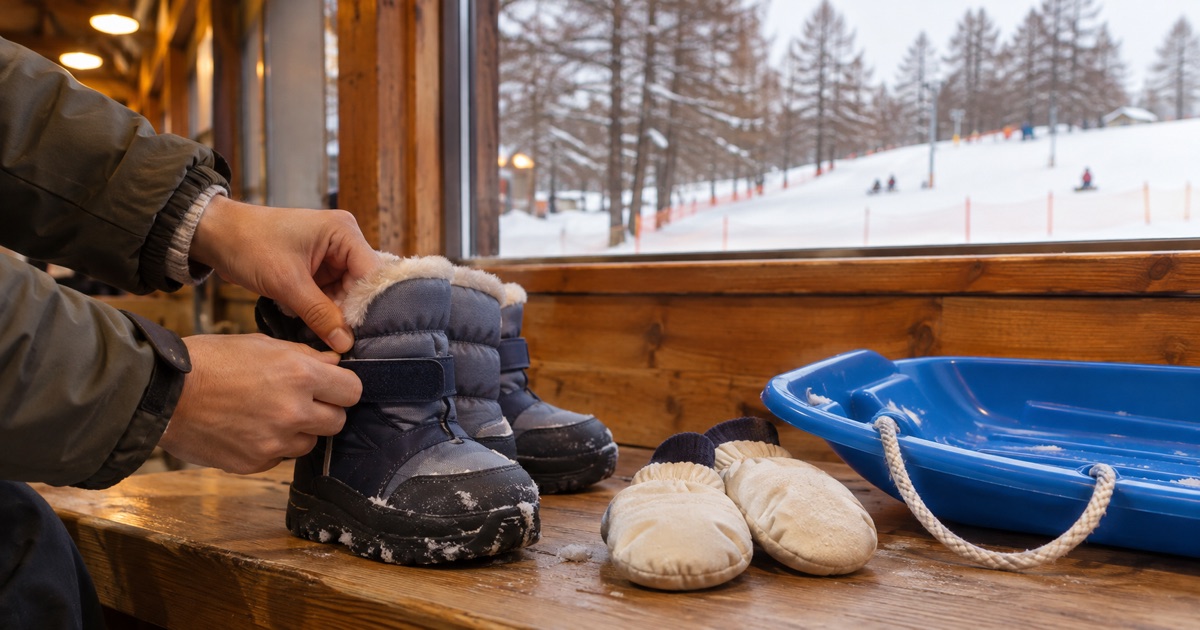
- Proper Snow Boots: Running shoes will soak through within ten minutes. Buy insulated, waterproof winter boots with deep rubber treads. You can also buy cheap slip-on rubber spikes (suberidome) at Sapporo convenience stores to attach to adult shoes.
- Neck Warmers and Mittens: Avoid scarves, which easily catch on playground edges or sleds. Use fleece neck gaiters and waterproof mittens rather than knit gloves, which soak up melted snow quickly.
- Layering Basics: Use breathable thermal underwear (synthetic or merino wool), followed by a fleece mid-layer, topped with the waterproof shell. You can easily unzip the shell when boarding the subway.
Getting Around: Strollers vs. Sleds
Do not bring a standard small-wheel stroller to Sapporo in winter. Outside of the heated underground walkways, city streets are covered in hard-packed snow, slush, and hidden ice sheets. Stroller wheels get bogged down instantly, forcing parents to carry both the stroller and the child over snowbanks.
Instead, follow this setup:
- For Babies & Young Toddlers: Use an ergonomic baby carrier worn underneath an oversized winter coat or paired with an insulated baby-carrier cover.
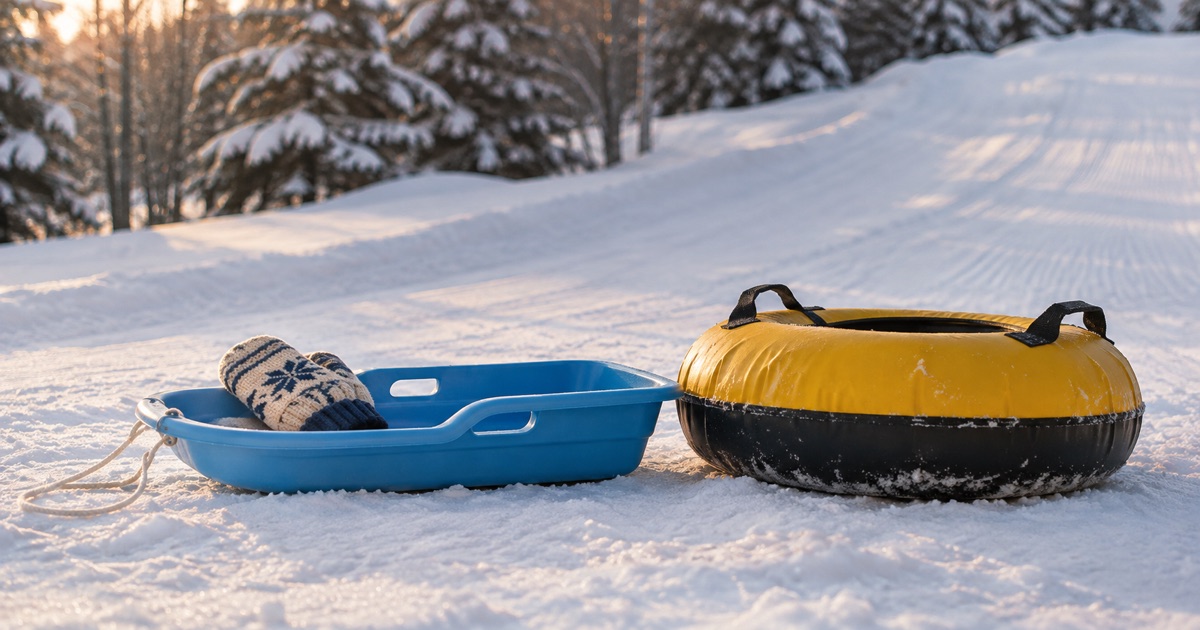
- For Older Toddlers: Buy an inexpensive plastic sled (sori) at a local 100-yen shop, home improvement store, or toy shop in the city for around 800 to 1,500 yen. Sapporo parents routinely tow their children down the snowy sidewalks using a simple pull-rope.
When moving through downtown, take advantage of the Sapporo Underground Pedestrian Space, locally known as Chi-Ka-Ho (チ・カ・ホ). This bright, heated walkway connects Sapporo Station, Odori, and Susukino underground. You can walk nearly two kilometers completely shielded from snow, with direct elevator access to department stores, clean accessible restrooms, and subway gates.
For wider regional rail travel into Sapporo from New Chitose Airport, trains run frequently on the JR Hokkaido lines. For route information and safety updates during heavy snowfalls, consult the Japan National Tourism Organization.
Feeding Picky Eaters in Cold Weather
Hokkaido cuisine is rich and comforting, making it surprisingly simple to feed young children:
- Corn & Butter Ramen: While traditional miso ramen can sometimes have a peppery kick, Sapporo ramen shops often offer a mild butter-corn topping that softens the broth and appeals directly to children.
- Soup Curry Adjustments: Many soup curry restaurants let you select spice level 0 (zero spice), turning the dish into a mild, warming vegetable soup packed with tender chicken legs and sweet carrots.
- Depachika (Department Store Basements): When sit-down restaurant waits are too long or kids are overtired, visit the basement food floors of Daimaru or Marui Imai. You can pick up warm steamed buns, rice balls (onigiri), grilled chicken skewers (yakitori), and fresh seasonal fruit like Hokkaido strawberries to eat in your hotel room.
Take your time, plan for only one major outdoor activity per day, and leave ample room for hot chocolate breaks. Sapporo's welcoming infrastructure makes snowy family travel remarkably stress-free.
FAQ
- Q. Can you use a stroller in Sapporo during winter?
- A. Regular strollers fail on snowy and icy sidewalks because small wheels get stuck. Use an ergonomic baby carrier or buy an inexpensive plastic sled.
- Q. How cold does Sapporo get in winter with small children?
- A. Temperatures generally sit between -5°C and 1°C (23°F to 34°F). Strong wind makes it feel colder, so windproof outer layers are essential.
- Q. What should picky toddlers eat in Sapporo?
- A. Sapporo offers kid-friendly staples like mild corn-butter ramen, fluffy Hokkaido milk bread, udon noodles, and conveyor-belt sushi with cooked egg options.
Cite or share this article
Copy the link below. If you quote this article, please link to this page as the source.