Fun Things to Do in Hiroshima with Kids
Key takeaways
- Hiroshima's tram network is stroller-friendly and connects Peace Memorial Park, the station and the ferry port to Miyajima in one easy loop.
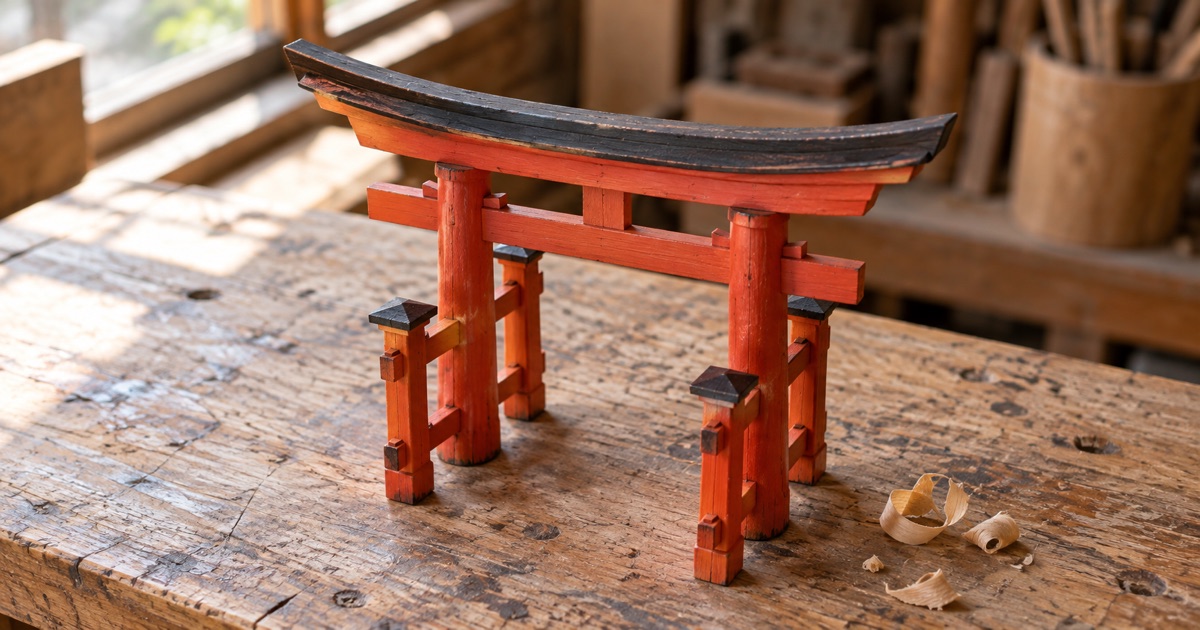
- Miyajima's deer, floating torii gate and ropeway make it a full-day family outing, best started early to avoid tide and crowd timing issues.
- Peace Memorial Museum content is heavy for young children, so plan outdoor park time and a break before or after the exhibits.
Fun Things to Do in Hiroshima with Kids
Hiroshima with kids works well because the city is small, flat and easy to get around by tram, with Miyajima island just a short ferry ride away for deer, forest paths and a famous floating gate. A realistic plan is one day for Hiroshima city and one day for Miyajima, with the tram doing most of the heavy lifting as your stroller-friendly transport.
This guide covers what to see, how to move around with children in tow, and the practical details — toilets, naps, fussy eaters — that parents actually need to know before landing.
Getting to Hiroshima and Getting Around
Hiroshima is connected to the rest of the country by the Sanyo Shinkansen line, so most families arrive by bullet train rather than flying. Check current routes and travel times on the JR West website, since schedules and fares can change.
Once you're in the city, the Hiroshima Electric Railway tram network (known locally as the "Hiroden") is the easiest way to get around with young children. Trams run frequently, stop close to the main sights, and most have low floors or at least wide doors that fit a folded stroller, though they can get crowded at peak times. Keep coins or a prepaid IC card on hand, as payment systems can vary slightly between older and newer trams.
A common mistake is assuming you'll walk everywhere. Hiroshima's main sights are spread out enough that tired toddler legs (and parent patience) benefit from hopping on and off the tram rather than marching the whole route on foot.
Peace Memorial Park and Museum
Hiroshima Peace Memorial Park (平和記念公園) is the obvious starting point for most visitors, and it works well for kids as an open, green space with wide paths, the river running alongside, and enough room for little ones to burn off energy between stops. The Atomic Bomb Dome, the Children's Peace Monument with its paper cranes, and the cenotaph are all within easy walking distance of each other inside the park.
The Peace Memorial Museum itself is a different matter. It documents the 1945 atomic bombing in detail, and some sections include graphic photographs and accounts that are not appropriate for young children. Many families split up — one parent takes older kids or goes through alone while the other stays outside with toddlers — or skip the museum entirely on this visit and focus on the park's outdoor memorials instead. If you do go in, budget more time than you'd expect, as the exhibits move slowly and queues can build up.
Toilets are available within the park and near the museum, and there are benches and shaded areas where you can pause for a snack or a feed. Bring your own water and a light snack regardless, since options directly inside the park are limited.
Hiroshima Castle
For a shorter, lighter stop after the park, Hiroshima Castle (広島城) is a rebuilt donjon surrounded by a moat and grounds that kids tend to enjoy for the castle shape alone, even before going inside. The climb up the internal stairs to the top floors can be tough with a stroller or a sleeping baby carrier, so it's worth having one parent wait on a lower floor if nap timing is tight. The surrounding park area is flat and good for a short run-around break.
Miyajima: Deer, Torii Gate and a Ropeway
Miyajima (宮島) is the standout day trip for families and is reached by a short ferry ride from Miyajima-guchi (宮島口), itself a tram or train ride from central Hiroshima. Check current ferry schedules before you go, as they adjust seasonally, and note that the floating torii gate's appearance changes with the tide — at low tide you can walk out near its base, while at high tide it appears to float, so it's worth checking tide times if a particular look matters to your kids.
The island's deer roam freely near the ferry terminal and the main shrine area, and they're generally used to visitors, though they will nose at bags and snacks, so keep food out of easy reach of small hands (and antlers). It's genuinely one of the most memorable parts of a Hiroshima trip for young children, simply because the animals are right there at eye level.
Itsukushima Shrine (厳島神社) itself, with its pier-like walkways over the water, is interesting for kids but involves a fair bit of walking on boardwalks that can be uneven, so a baby carrier is often more practical than a stroller for this section. If energy allows, the ropeway up toward Mount Misen gives older kids a sense of adventure and some good views, though the queue and ride time add a decent chunk to your day — this isn't one to attempt with an overtired toddler.
Food options on Miyajima's main street are plentiful, including grilled items and sweet treats sold from stalls, which can work well for picky eaters who want to try something small without committing to a full meal. Public toilets are available near the ferry terminal and along the main approach to the shrine.
Planning Around Naps and Meltdowns
A realistic family rhythm in Hiroshima is: active sightseeing in the morning, a sit-down lunch break around midday, and a lighter afternoon activity before heading back to the hotel for rest. If you're combining Hiroshima city and Miyajima in a single day, know that this is an ambitious itinerary for families with toddlers — many parents find it more relaxed to dedicate separate days to each.
Stroller access is generally good on trams and ferries, but less good on some of Miyajima's shrine boardwalks and the upper floors of Hiroshima Castle, so a lightweight umbrella stroller or a soft carrier as backup gives you more flexibility than a full-size stroller alone.
A Simple Two-Day Outline
One workable structure for a first visit:
- Day one: Peace Memorial Park in the morning, lunch break nearby, Hiroshima Castle or a slower afternoon depending on how the morning went.
- Day two: Early ferry to Miyajima, deer and shrine in the late morning, lunch from the street stalls, ropeway in the afternoon if energy allows, ferry back before dinner.
This keeps each day anchored around one major activity rather than cramming in several, which tends to be the difference between a good family day and a stressful one.
For official travel planning information, including passes and seasonal advisories, the Japan National Tourism Organization website is a reliable starting point, and it's worth checking before you finalize transport bookings, since details can change.
FAQ
- Q. Is Hiroshima good for a family trip with young children?
- A. Yes. The city is compact, the tram system is easy to use with a stroller, and Miyajima adds a relaxed island day with animals and nature that younger kids tend to enjoy.
- Q. How many days do we need in Hiroshima with kids?
- A. Most families manage the city highlights and a half or full day on Miyajima in two days, though a third day gives more breathing room for naps and slower mornings.
- Q. Is Peace Memorial Museum suitable for young children?
- A. The museum documents the atomic bombing and includes serious, sometimes graphic content, so many parents choose to visit in shifts or focus younger children's time on the park's outdoor areas instead.
Cite or share this article
Copy the link below. If you quote this article, please link to this page as the source.