Is Nikko Worth Visiting with Kids? A Family Guide
Key takeaways
- Nikko is well worth visiting for families who love nature, open spaces, and UNESCO World Heritage shrines.
- The historic shrine area is rough for strollers; baby carriers are strongly recommended due to steep stone stairs.
- Direct limited express trains from Asakusa take roughly two hours, making it an easy day trip or overnight stay.
Nikko is absolutely worth visiting with kids, especially for families who want to balance the bustling city energy of Tokyo with ancient forest trails, dramatic mountain views, and historic wooden shrines. However, because the area features steep stone staircases, gravel grounds, and winding mountain roads, visiting successfully with children requires realistic planning and the right gear.
Located in Tochigi Prefecture, roughly two hours north of central Tokyo, Nikko (日光) offers a completely different rhythm from modern urban Japan. Here is a clear breakdown of whether Nikko fits your family's travel style, what to expect on the ground, and how to manage the journey smoothly with little ones.
Why Nikko Is Worth It for Families
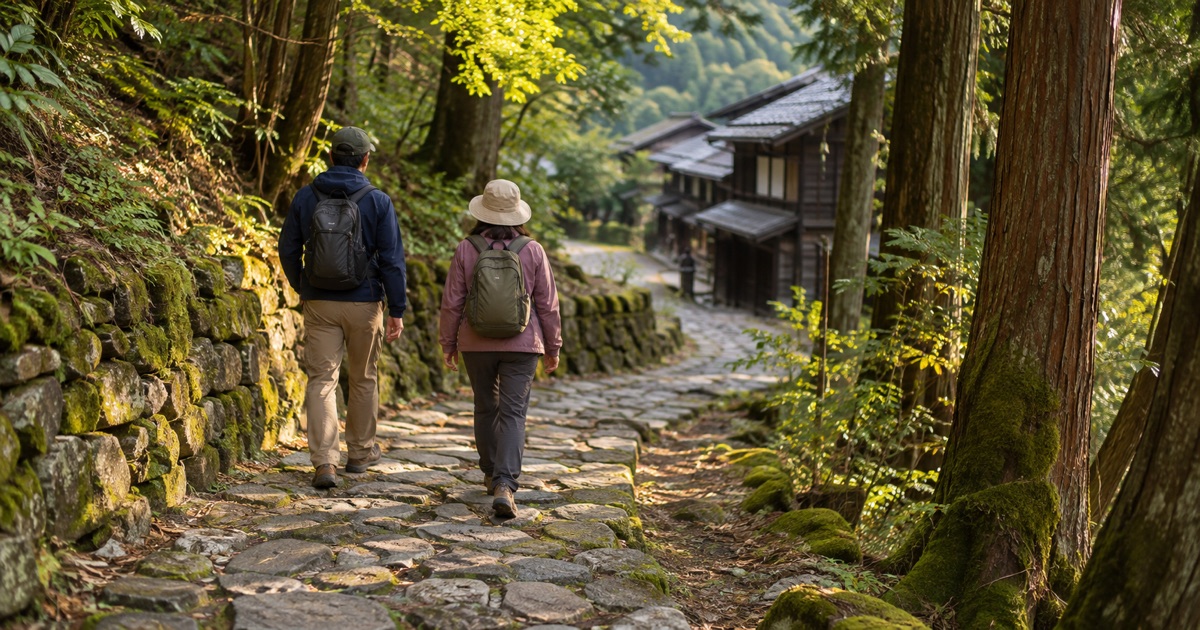
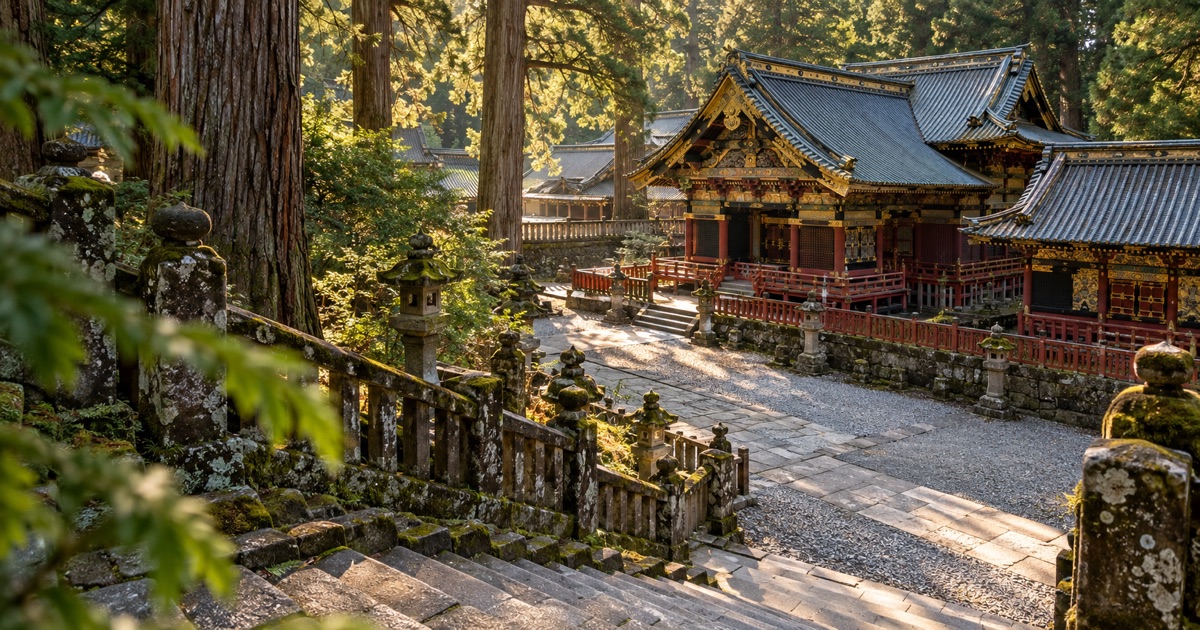
Nikko offers an enticing combination of cultural heritage and fresh alpine air. The town is famous for the Toshogu Shrine (東照宮), the final resting place of Tokugawa Ieyasu, set amidst towering Japanese cedar trees. Beyond the shrines, the Okunikko (奥日光) area higher up the mountains provides waterfalls, calm lake shores, and wide walking trails.
Here is why families often love the trip:
- Sensory and visual appeal: Toshogu is not a quiet, muted temple; it is bursting with vivid gold leaf, intricate woodcarvings, and colorful animals, including the famous "Three Wise Monkeys" (hear no evil, speak no evil, see no evil) and the sleeping cat (Nemuri-neko), which young children enjoy spotting.
- Room to move: Unlike Tokyo's crowded sidewalks, Nikko's forested paths give energetic children room to stretch their legs and collect fallen pine cones and leaves.
- Easy train transit: Direct limited express trains run straight from central Tokyo without transfers, offering comfortable reserved seats, onboard restrooms, and space for family snacks.
- Scenic nature breaks: Older kids and nature lovers enjoy watching the roaring Kegon Falls (華厳の滝) or taking a relaxing boat cruise on Lake Chuzenji (中禅寺湖).
When You Might Want to Skip Nikko
Nikko is wonderful, but it is not the right fit for every family itinerary. Consider leaving it off your list if:
- Your child relies entirely on a stroller: The World Heritage area is notoriously difficult for wheels. Gravel courtyards, cobblestones, and towering stone staircases mean you will end up carrying the stroller for long stretches.
- You have severe motion sickness in the family: Visiting the scenic lakes and waterfalls in Okunikko requires taking a local bus up the Irohazaka (いろは坂) slope—a winding mountain pass with dozens of hairpin turns that can easily trigger car sickness in sensitive toddlers.
- Your trip to Japan is very short: If your total stay in Japan is under a week, spending a full day traveling to and from Nikko can take away valuable time from core sights in Tokyo and Kyoto.
We are working to carry Japanese craft and everyday culture beyond Japan, by building Japan Towns with local partners.
Read the Japan Town plan →Navigating Nikko with a Stroller
One of the biggest concerns for parents visiting Japan is stroller accessibility. In Nikko, accessibility is mixed.
The train stations—Tobu-Nikko Station (東武日光駅) and JR Nikko Station (日光駅)—feature flat exits, ramps, and elevators. The main shopping street heading uphill toward the town has paved sidewalks, though it is a steady incline.
Once you arrive at the World Heritage zone around Toshogu Shrine, Rinno-ji Temple (輪王寺), and Futarasan Shrine (二荒山神社), strollers quickly become a burden:
- Gravel pathways: The wide approach avenues consist of thick, loose gravel that traps small stroller wheels.
- Steep stone stairs: Entering the inner courtyards and climbing up to the inner shrine requires tackling steep, weathered stone steps without ramp alternatives.
Family strategy: Bring a lightweight, compact folding stroller for the train station and the town street, but bring a supportive baby carrier or toddler backpack for the shrines themselves. Many parents fold and carry their lightweight stroller, or leave it parked near the entrance ticket gates at their own risk.
Getting There from Tokyo with Children
Getting to Nikko is straightforward, particularly if you use the private Tobu Railway network from Asakusa.
Step-by-Step Transit Route
- Board at Asakusa Station (浅草駅): Take the Tobu Railway Limited Express (such as the Spacia or Revaty trains) directly to Tobu-Nikko Station. Journey times generally run between 1 hour and 50 minutes to 2 hours.
- Book reserved seats: All seats on limited express trains are reserved, ensuring your family sits together. Booking a four-seat box or adjacent seats gives your kids room to relax, color, or take a nap.
- Alternative JR route: If you hold a regional rail pass from JR East, you can catch a Shinkansen from Tokyo or Ueno Station to Utsunomiya Station (宇都宮駅), then transfer to the local JR Nikko Line. This route involves an extra train transfer but is convenient if you are staying near Tokyo Station.
- Local transit on arrival: From Tobu-Nikko or JR Nikko Station, frequent local buses head up toward the shrines (about 10 minutes) and onward to Lake Chuzenji (about 45–50 minutes). Tobu bus passes covering local rides can be purchased at Tobu-Nikko Station.
Bus timetables and train schedules change throughout the year, especially between winter and peak autumn foliage seasons. Always check the official transport operators before you travel.
Managing Meals and Restrooms with Kids
Visiting historic sites with young children means keeping track of bathroom breaks and food options.
Restrooms and Diaper Changing
Modern public restrooms with diaper changing tables are available inside both train stations in Nikko. Within the World Heritage shrine area, public restrooms are spaced out along the main entry approaches, but facilities deep inside the shrine grounds can be rustic. Change diapers and encourage toilet breaks at the station or the main visitor center before you begin exploring the temple compounds.
Food for Picky Eaters
Nikko is famous for yuba (tofu skin), which features heavily in local sit-down restaurants. While subtle and delicious for adults, young children may find it plain or unappealing.
Fortunately, the main street leading between the stations and the Shinkyo Bridge (神橋) features casual bakeries, ice cream vendors, and small cafes serving Japanese curry, udon noodles, and fried chicken (karaage). Convenience stores near the train stations are ideal spots to stock up on rice balls (onigiri), bread rolls, fruit pouches, and boxed milk before heading into the park.
Day Trip vs. Overnight Stay: Which Is Better?
The Day Trip Approach
A day trip works well if your children are slightly older (ages 5 and up) and can handle a structured day of walking.
- Leave Tokyo around 7:30 or 8:00 AM.
- Arrive in Nikko by mid-morning, explore Toshogu Shrine, and enjoy lunch along the town street.
- Take a late-afternoon train back to Tokyo, allowing the kids to sleep during the two-hour ride.
The Overnight Approach
If traveling with babies, toddlers, or multiple young kids, an overnight stay reduces rushing and keeps nap routines intact. Staying overnight allows you to visit Toshogu Shrine early in the morning before tourist crowds arrive, spend the afternoon relaxing near the lake, or unwind in a family-friendly hot spring hotel (ryokan).
For broader Japan itinerary planning and current travel guidance, consult the Japan National Tourism Organization.
Practical Tips for a Smooth Family Visit
- Dress in warm layers: Nikko sits at a higher elevation than Tokyo, and temperatures are consistently several degrees cooler year-round. Autumn and spring mornings can feel crisp, while winter brings sub-zero temperatures and snow.
- Pack slip-resistant footwear: Stone stairs can become slippery after rain or morning dew, and cedar tree roots crisscross many dirt paths. Dress children in supportive sneakers rather than flat slip-ons.
- Watch out for monkeys: Wild Japanese macaques live in the forests around Okunikko and Lake Chuzenji. While generally harmless from a distance, never allow children to eat snacks openly around them or approach them.
- Carry cash: While major ticket counters and train stations accept credit cards and IC transport cards, some local souvenir stalls, small food vendors, and bus fare boxes require Japanese yen coins or bills.
With the right footwear, a comfortable baby carrier, and an unhurried schedule, Nikko offers families an unforgettable slice of Japan's deep history and sweeping mountain beauty.
FAQ
- Q. Is Nikko a good day trip from Tokyo with kids?
- A. Yes, Nikko works well as a day trip if you stick to the central UNESCO World Heritage shrine area. A one-way trip on a direct limited express train takes around two hours, but getting an early start is essential.
- Q. Can you use a stroller in Nikko?
- A. You can use a lightweight stroller along the town sidewalks, but the main heritage shrines feature extensive gravel paths and dozens of steep, uneven stone stairs. A comfortable baby carrier or sling is far more practical inside the shrine grounds.
- Q. Is Nikko better as a day trip or an overnight stay?
- A. A day trip is fine for seeing the main shrines, but staying overnight in the town or near Lake Chuzenji allows a much calmer pace for toddlers and prevents afternoon overtired meltdowns.
Cite or share this article
Copy the link below. If you quote this article, please link to this page as the source.