Kamakura Kids Activities: Family Day Trip Guide
Key takeaways
- Kamakura offers outdoor giant Buddhas, quiet beaches, and retro coastal trains perfect for young children.
- Strollers work along Komachi-dori, but baby carriers are essential for temple stairs and gravel paths.
- Direct trains from Tokyo take under an hour, making it an easy, low-stress day trip with toddlers or older kids.
The best Kamakura kids activities combine open-air giant Buddha statues, vintage coastal train rides, and wide sandy beaches just an hour south of Tokyo. This seaside town offers an easy, screen-free escape where children can run outdoors while parents take in ancient Japanese culture at a relaxed pace.
Planning a day trip outside Tokyo with little ones can feel daunting, but Kamakura (鎌倉) is one of the most manageable destinations for families. Below is everything you need to know to navigate the trains, temple steps, nap times, and snack breaks without tears.
Why Kamakura Works Well for Families
Unlike dense museum districts or tightly packed historic quarters, Kamakura’s highlights sit mostly outside. Children do not have to whisper inside quiet galleries. They can watch green trains rumble through narrow neighborhood crossings, chase waves along Yuigahama Beach (由比ヶ浜), and marvel at a bronze statue taller than a two-story house.
Travel times from central Tokyo are short. A direct ride on the JR Yokosuka Line (横須賀線) from Tokyo Station or the JR Shonan-Shinjuku Line (湘南新宿線) from Shinjuku Station takes around an hour. Check routing details and service updates on JR East before you travel.
Top Kamakura Kids Activities
1. Stand Before the Great Buddha of Kotoku-in
The Great Buddha (Daibutsu / 大仏) at Kotoku-in temple (高徳院) is the ultimate crowd-pleaser for young travellers. Because the massive bronze statue sits outdoors in a spacious courtyard, children can view it from all angles without feeling confined.
- Why kids love it: It feels monumental and mythical, resembling something out of a storybook. When the small interior chamber is open to visitors, older kids can step inside the hollow interior for a nominal fee (around 50 to 100 yen).
- Practical tip: The grounds consist of flat, compacted gravel. Lightweight pushchairs can roll here, though larger strollers might struggle slightly. Clean restrooms are available on-site near the entrance.
2. Ride the Retro Enoden Coastal Train
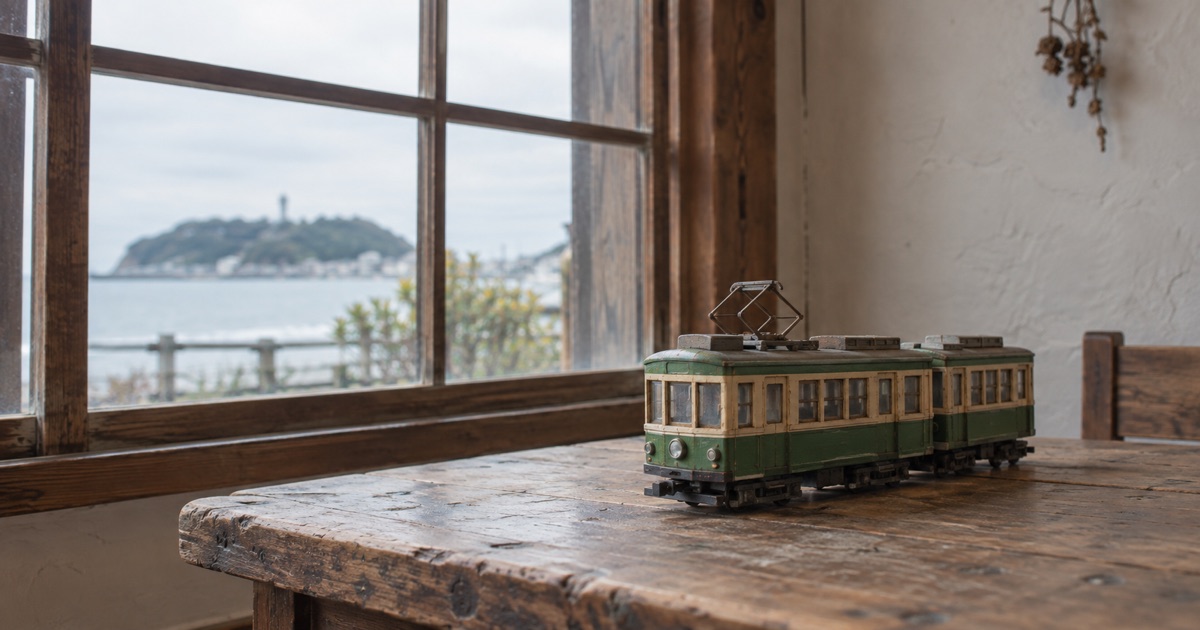
The Enoshima Electric Railway (江ノ島電鉄), affectionately known as the "Enoden" (江ノ電), runs between Kamakura Station and Fujisawa Station. Its cheerful green-and-cream railcars thread mere inches past residential gardens, squeeze through narrow backstreets, and open up to panoramic views of Sagami Bay.
- Where to board: Start at Kamakura Station (鎌倉駅) and take it toward Hase Station (長谷駅) for the temples, or ride further down the coast to Kamakurakokomae Station (鎌倉高校前駅) to watch the ocean.
- Parent heads-up: On sunny weekends and national holidays, the Enoden gets very crowded. Boarding with an open stroller can be difficult during peak hours. Fold your stroller before queuing at the platform, or wear your baby in a carrier to keep your hands free.
3. Explore the Ponds and Paths of Tsurugaoka Hachimangu
Tsurugaoka Hachimangu (鶴岡八幡宮) is Kamakura’s most prominent Shinto shrine. The approach begins along Wakamiya-oji (若宮大路), a wide, raised pedestrian boulevard lined with cherry trees and stone lanterns.
- Family highlights: Large ponds near the shrine entrance (Genpei Ponds) host carp, turtles, and seasonal lotus flowers. Young children will happily spend twenty minutes leaning safely against the railings watching the turtles sunbathe.
- Stroller alert: The lower grounds around the ponds are mostly paved and level. However, reaching the main upper shrine requires climbing a wide flight of sixty-plus stone stairs. Leave the stroller at the base or explore the lower grounds if your child is resting.
4. Beachcombing at Yuigahama Beach
If temple visits start causing restlessness, head south to Yuigahama Beach. Located roughly a 15-minute walk from Kamakura Station (or a short hop on the Enoden to Yuigahama Station), this wide stretch of sand lets children stretch their legs.
- What to do: Hunt for tiny shells, watch local surfers, or build sandcastles. Even in cooler months, an hour of running along the shoreline resets everyone’s energy levels.
- Things to pack: Pack a small hand towel, wet wipes, and an extra pair of socks or pants in your day pack. Rinse facilities are limited outside the official summer swimming season.
- A warning about kites: Black kites (tonbi / トビ), large birds of prey, circle the Kamakura coastline constantly. They swoop down silently to snatch food straight from people's hands. Never feed them, and avoid letting your toddler walk with exposed pastries, rice balls, or sandwiches on the beach.
5. Stroll and Snack Along Komachi-dori
Running parallel to the main shrine avenue, Komachi-dori (小町通り) is a bustling shopping street packed with casual snack counters, traditional craft stores, and souvenir shops.
- Kid-friendly treats: Look for purple sweet potato soft-serve ice cream, mild steamed buns, warm sweet potato pastries, and fresh strawberries on skewers.
- Street etiquette: Local rules discourage eating while walking through crowded corridors to avoid bumping food onto others. Enjoy your snacks in front of the shop where you bought them, or step into a designated seating nook.
We are working to carry Japanese craft and everyday culture beyond Japan, by building Japan Towns with local partners.
Read the Japan Town plan →Practical Logistics: Strollers, Toilets, and Naps
Stroller vs. Baby Carrier: What to Bring
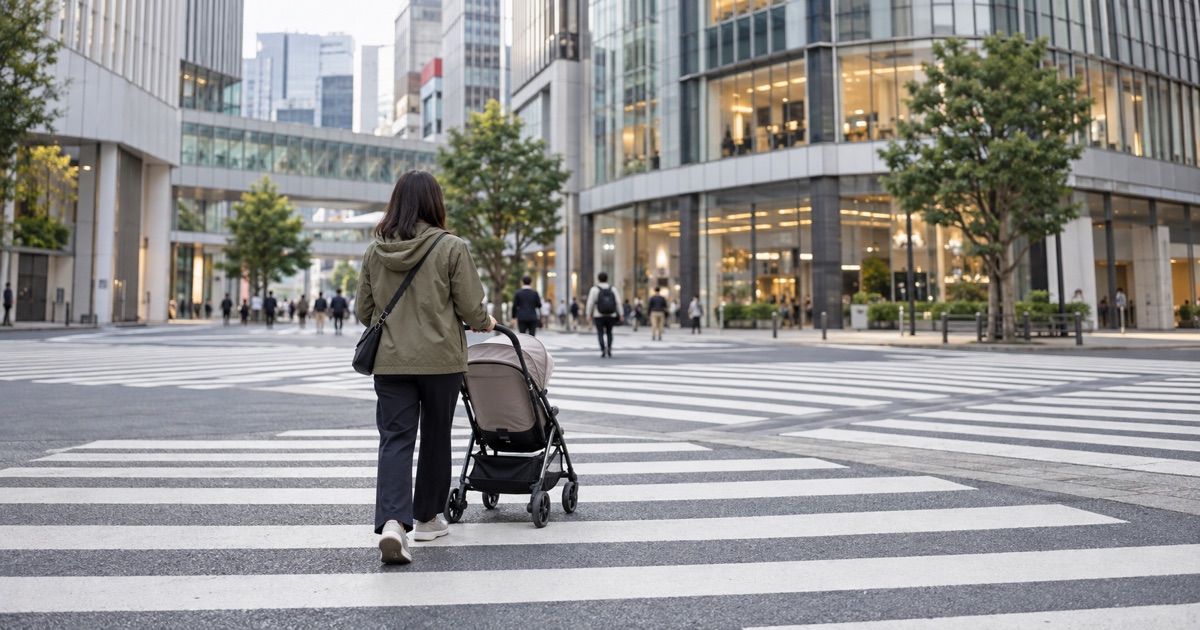
A compact, foldable stroller works well for the flat walking paths between Kamakura Station and Tsurugaoka Hachimangu. However, Kamakura’s historic geography features hills, narrow side paths, and stone staircases.
- The golden rule: Bring a lightweight umbrella stroller plus a structured baby carrier. If you encounter steep steps at shrines or loose gravel at temples like Hasedera (長谷寺), you can fold the stroller and carry your toddler.
- Station lockers: If your pushchair becomes a burden, large coin lockers are located at JR Kamakura Station, though extra-large spaces fill up quickly on weekends.
Baby Care Rooms and Restrooms
Public restrooms are dotted around Kamakura Station, the Enoden gates, and inside the grounds of major sites like Kotoku-in and Tsurugaoka Hachimangu.
- Multipurpose restrooms (dare-demo toire / だれでもトイレ) are widely accessible and usually feature fold-down diaper changing tables.
- Dedicated nursing pods or private feeding rooms are less common in historic temple areas than in major Tokyo shopping malls. Feed infants before departing Tokyo, or use lightweight nursing covers while resting on quiet benches away from main thoroughfares.
- For regional travel advice and nationwide accessibility details, consult the Japan National Tourism Organization guide resources.
Food for Picky Eaters
If your children prefer familiar tastes over Japanese seasonal dining, Kamakura is easy to navigate:
- Bakeries: Several excellent Western-style bakeries operate near both East and West exits of Kamakura Station, offering plain rolls, croissants, and cheese bread.
- Udon and Soba: Mild broth with plain wheat noodles (udon) is standard comfort food for Japanese toddlers and is available near all major sightseeing clusters.
- Convenience Stores: 7-Eleven, Lawson, and FamilyMart offer plain steamed white rice balls (shio-musubi / 塩むすび), sliced fruit, milk cartons, and banana packs for quick, budget-friendly toddler snacks.
Sample One-Day Family Itinerary
- 09:00 AM: Depart central Tokyo on the JR Yokosuka Line to Kamakura Station.
- 10:00 AM: Walk up Komachi-dori, grabbing an early morning pastry before the mid-day rush.
- 10:45 AM: Visit Tsurugaoka Hachimangu to see the turtle ponds and shrine gardens.
- 12:00 PM: Head back to Kamakura Station for a simple noodle lunch or café meal.
- 01:15 PM: Board the green Enoden train to Hase Station. (Strollers folded during boarding).
- 01:30 PM: Marvel at the Great Buddha of Kotoku-in. Let the kids explore the courtyard.
- 02:45 PM: Walk 10 minutes down to Yuigahama Beach for an hour of fresh air and shell hunting.
- 04:00 PM: Board the Enoden back to Kamakura Station, catching the direct JR train back to Tokyo for an early hotel bedtime.
Taking Kamakura slowly ensures you absorb the coastal charm without pushing small children past their limit. Keep transit steps simple, keep snacks handy, and enjoy one of Japan's most historic seaside towns together.
FAQ
- Q. Is Kamakura stroller-friendly for families with toddlers?
- A. Kamakura is mixed for strollers. Paved station areas and main streets like Wakamiya-oji are flat, but most ancient temples feature steep stone stairways and thick gravel where an ergonomic baby carrier works far better.
- Q. How long does the train take from Tokyo to Kamakura?
- A. Direct JR train lines from major hubs like Tokyo Station or Shinjuku Station take roughly 55 to 65 minutes, requiring no transfers if you board the JR Yokosuka Line or Shonan-Shinjuku Line.
- Q. What should kids eat in Kamakura if they are picky eaters?
- A. Komachi-dori offers mild sweet potato snacks, freshly baked rice crackers, and fruit skewers, while family restaurants, bakeries, and simple udon noodle shops sit conveniently around Kamakura Station.
Cite or share this article
Copy the link below. If you quote this article, please link to this page as the source.