Naha, Okinawa with Kids: A Practical First-Timer's Guide
Key takeaways
- Naha is compact enough to explore car-free using the Yui Rail monorail, which is stroller-friendly with elevators at stations.
- Okinawa's heat and sun are intense most of the year, so plan indoor breaks, hydration and midday downtime for young kids.
- Renting a car for day trips outside Naha is common, but car seats must be requested in advance and booked early in peak seasons.
Naha, Okinawa with Kids: What First-Time Parents Should Know
Naha works well for families because it is small, walkable in parts, and connected by a single monorail line that links the airport, the main shopping street, and several hotel areas. For a first visit with kids, you can base yourself in Naha for 2–4 nights, use the monorail and taxis to get around the city, and add a rental car only if you plan day trips north toward the beaches and resorts.
This guide covers the practical side parents actually worry about: getting from the airport with tired kids, where strollers work well, toilets and nap breaks, and common mistakes first-timers make in the Okinawan heat.
Getting from Naha Airport to the City
Naha Airport (那覇空港) is unusually close to the city center, which is a relief with small kids. The Yui Rail monorail (ゆいレール) has a station inside the airport terminal, and the ride into central Naha, toward stops like Omoromachi (おもろまち) or Kencho-mae (県庁前) near Kokusai-dori (国際通り), takes roughly 15–25 minutes depending on your stop.
Monorail stations generally have elevators, which helps a lot with strollers and luggage. Trains can still get crowded, especially with carry-on suitcases, so if you're traveling with a baby in a carrier as well as a stroller, consider collapsing the stroller during the busiest stretches.
Taxis are also an option directly from the airport and are often simpler with very young children, car seats aside — Japanese taxis are not required to provide child seats, so for longer rides, booking a private transfer or rental car with a car seat is generally safer.
Getting Around Naha with Strollers
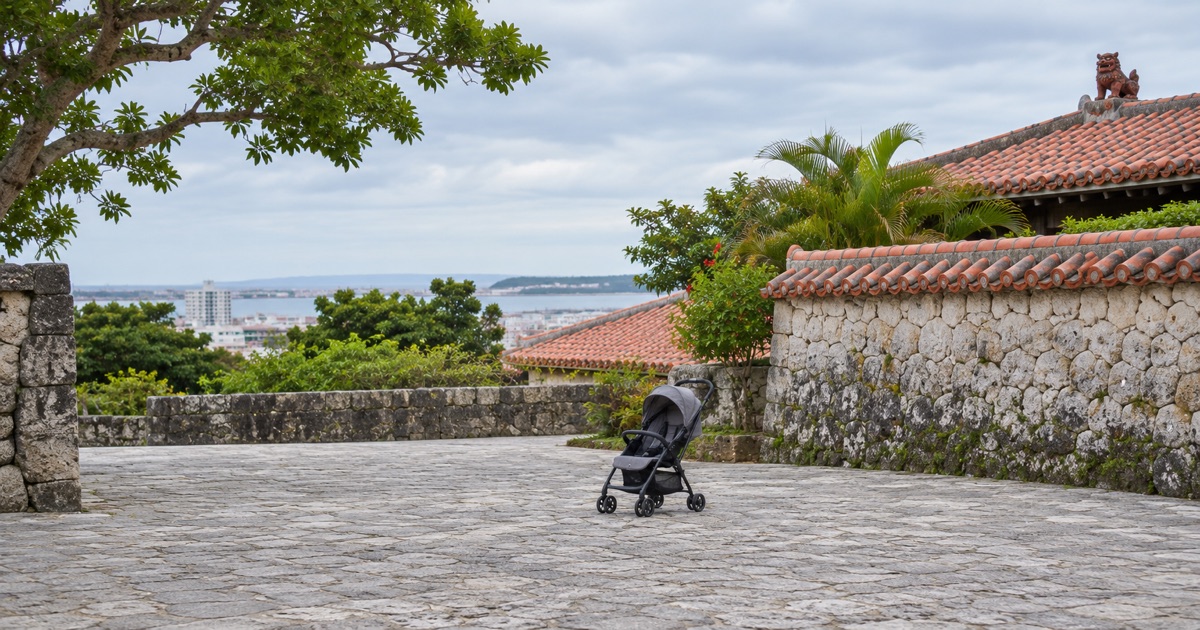
Kokusai-dori, the long shopping street that most visitors walk at least once, has wide, mostly flat sidewalks, which makes it manageable with a stroller. Side streets and covered arcades branching off it, including older market areas, can be narrower, with steps or uneven surfaces in places, so a compact, lightweight stroller is more practical than a large travel system.
A few practical notes:
- Heat matters more than distance. Okinawa is warmer and more humid than mainland Japan for much of the year, so even short walks can tire kids out fast. Plan routes with shade or indoor stops in mind.
- Toilets are available at monorail stations, department stores, and convenience stores, and most have at least basic facilities; larger shopping facilities are more likely to have dedicated baby-changing rooms.
- Nap timing is worth planning around: many families find it easier to do the main outdoor activity (market, park, or short walk) in the morning, then use early afternoon for a hotel nap or quiet indoor time before heading out again later.
Food: What Works for Picky Eaters
Okinawan food is distinct from mainland Japanese food, with dishes like goya champuru (bitter melon stir-fry) and Okinawa soba (a wheat noodle soup, different from mainland soba) being especially local. These can be a bit adventurous for picky eaters, but plain rice, simple grilled or fried items, and noodle soups without bitter vegetables are usually easy to find on menus.
Convenience stores (konbini) are reliable backups almost everywhere in Naha, with onigiri, bread, fruit, and snacks that are easy for young kids. Supermarkets near Omoromachi and other residential areas are useful if you're staying somewhere with a kitchenette and want to stock up on breakfast items or snacks rather than eating out for every meal.
Beaches and Outdoor Time Near Naha
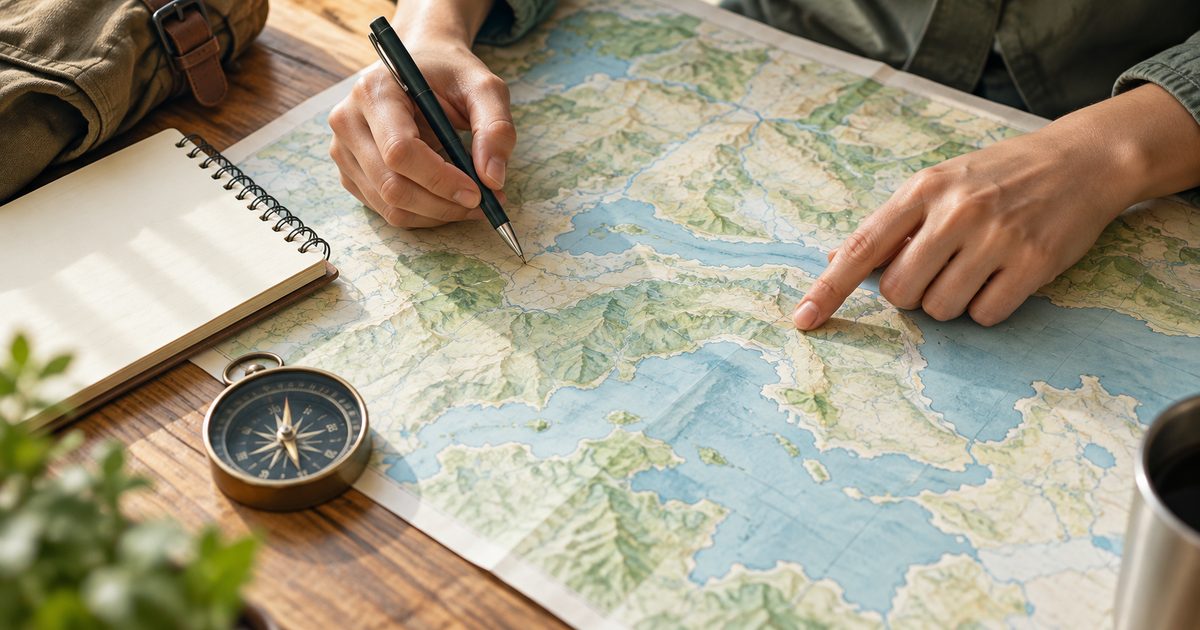
Naha itself is a city rather than a beach resort, but there are beach areas within a reasonably short distance, and many families combine a few city days with a stay further north or a day trip toward the beach resorts. If you're staying centrally in Naha, check current transport options to any specific beach before you go, since access varies and some require a car or a longer bus ride.
For sun protection, bring a wide-brimmed hat, child-safe sunscreen, and a rash guard or swim shirt for young kids, since the sun in Okinawa is stronger than most visitors expect, even on cloudy days.
Renting a Car for Day Trips
If your plans include areas outside central Naha — the Churaumi Aquarium area in the north, for example — a rental car is the most flexible option, since train coverage on Okinawa's main island is limited to the Naha monorail only; there is no wider rail network.
A few things to plan ahead of time:
- Car seats: Japanese rental agencies can usually provide a child seat, but you need to request it when booking, not on arrival, especially during spring and summer school holiday periods when cars and seats can sell out.
- Driving side: Japan drives on the left, which can take a short adjustment period; give yourself extra buffer time for the first drive, especially with kids in the car.
- Rest stops: Highway and roadside rest areas (michi-no-eki) typically have clean toilets and are reasonable spots to break up a long drive with young children.
A Simple Two-Day Naha Outline for Families
This is a starting structure, not a fixed itinerary — adjust the pace heavily around your kids' nap schedule and tolerance for heat.
Day 1: Arrive, settle into your hotel, and keep expectations light. A short walk along Kokusai-dori in the late afternoon or early evening, once the heat has eased slightly, is often easier than tackling it at midday.
Day 2: Use the morning for an outdoor activity — a market, a short cultural site, or a park — then return for a midday rest before an afternoon or early evening activity. If you have a car, this is also a reasonable day to do a shorter day trip rather than a full-day drive north, to avoid overtiring younger kids.
Common Mistakes First-Time Parents Make in Naha
- Underestimating the heat. Many visitors plan a full day of walking as they would in a cooler city, then find kids overheated and cranky by early afternoon.
- Not booking car seats in advance. Demand is high in peak seasons, and agencies can run out.
- Assuming trains go everywhere. Only the monorail exists in Naha; anywhere else on the main island generally means bus, taxi, or rental car.
- Skipping hydration breaks. Convenience stores are everywhere and a good habit is to stop for water more often than you would at home.
For current entry requirements, general travel advice, and more on getting around Japan, the Japan National Tourism Organization is a reliable starting point before you finalize your Okinawa plans. Always confirm specific opening hours, transport schedules, and any closures directly with official sources before your trip, since these details can change.
FAQ
- Q. Is Naha a good base for a family trip to Okinawa?
- A. Yes. Naha has the main airport, the monorail, hotels, and easy access to Kokusai-dori and nearby beaches, making it a practical hub for families with young kids.
- Q. Do I need to rent a car in Naha?
- A. Not for central Naha, since the Yui Rail monorail and taxis cover the main sights. A car is useful for day trips to northern Okinawa or quieter beaches.
- Q. Is Naha stroller-friendly?
- A. Central areas and the monorail stations generally have elevators and ramps, but older sidewalks and some markets can be narrow or uneven, so a lightweight stroller helps.
Cite or share this article
Copy the link below. If you quote this article, please link to this page as the source.