Nakano Kids Clinic Guide: Visiting a Doctor in Tokyo
Key takeaways
- Pediatric clinics (shonika) around Nakano handle non-emergency child illness with or without appointments.
- Bring your child's passport, travel insurance card, a payment method, and a written list of symptoms.
- Dial #8000 on a local phone for Japan's child medical hotline, or 119 immediately for life-threatening emergencies.
If your child falls sick near Nakano, Tokyo, you can find quality medical care at local pediatric clinics (shonika, 小児科) or walk-in medical practices near the station. Japanese neighborhood clinics handle routine childhood illnesses—such as sudden fevers, stomach bugs, ear infections, and mild rashes—even if you do not speak Japanese and do not hold Japanese public health insurance.
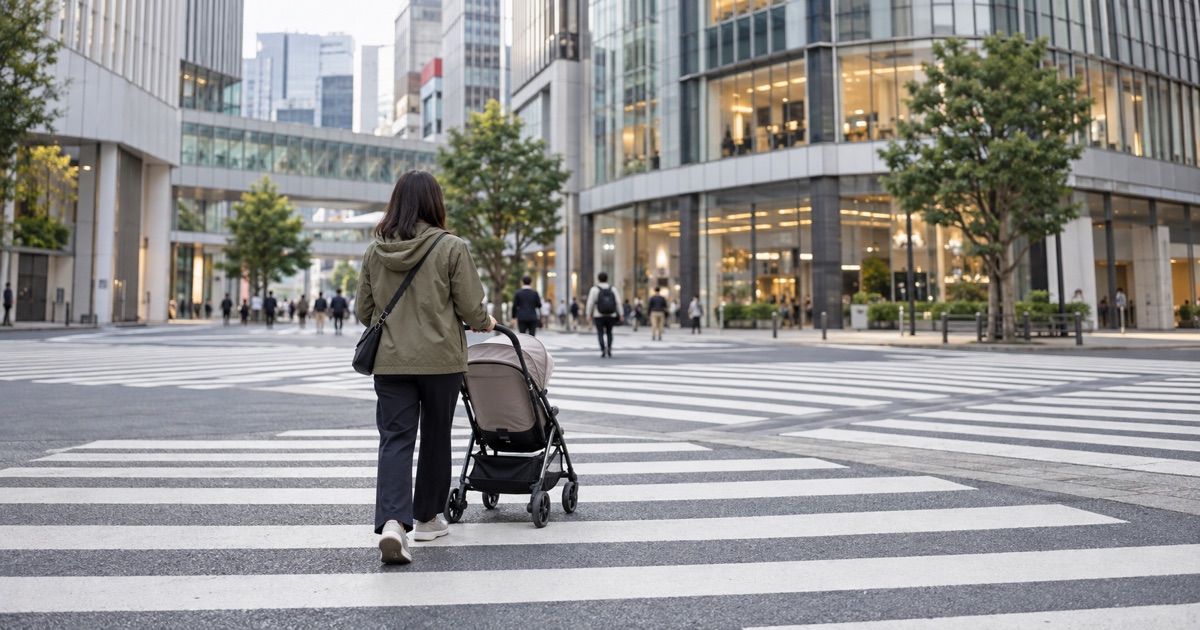
Getting medical help in an unfamiliar country can feel overwhelming, especially when managing an upset toddler or a lethargic child in a stroller. This guide walks you through finding a clinic in and around Nakano (中野), preparing what you need, navigating the visit step by step, and picking up medication at a Japanese dispensing pharmacy.
Understanding Pediatric Care in Nakano
Nakano is a lively hub located just a short ride west of Shinjuku on the JR Chuo and Sobu Lines, as well as the Tokyo Metro Tozai Line. Because it is a dense residential district alongside its famous commercial areas, Nakano has a solid network of neighborhood medical clinics.
In Japan, primary care is divided into specific specialties. Instead of going to a broad "family doctor," parents take their children to a dedicated pediatric clinic (shonika, 小児科). These neighborhood offices handle everyday illnesses, checkups, and minor ailments. For sudden ear pain, families often go directly to an ear, nose, and throat doctor (jibika, 耳鼻科), while minor skin flare-ups might be seen by a pediatric clinic or a dermatologist (hifuka, 皮膚科).
If your child develops symptoms during normal daytime hours, heading to a local clinic is much faster and less stressful than going to a large tertiary hospital, which often requires a referral letter (shoujou, 紹介状) or charges a steep extra fee for walk-in arrivals.
Finding English-Friendly Care Near Nakano
While many local neighborhood doctors in Nakano speak basic conversational English or can use translation tools, clear communication is essential when your child is unwell.
Here are the best ways to locate a clinic that can assist you:
- Use Tokyo Metropolitan Health Services (Himawari): The Tokyo Metropolitan Government runs a medical information service called "Himawari." It lets you search for clinics by location, specialty (shonika), and language capabilities.
- Contact the Japan National Tourism Organization (JNTO): Official tourist services offer multi-language medical search tools and round-the-clock telephone support. You can browse resources through the Japan National Tourism Organization to find facilities with foreign-language staff.
- Nearby English-Speaking Hubs: Nakano sits roughly 5 to 10 minutes by rapid train from Shinjuku Station (新宿駅). If you need an explicitly English-focused medical facility or your child requires care beyond what a small neighborhood clinic can provide, Shinjuku and surrounding central wards host several international clinics and general hospitals with dedicated English-speaking desks.

We are working to carry Japanese craft and everyday culture beyond Japan, by building Japan Towns with local partners.
Read the Japan Town plan →What to Bring to the Clinic
Before leaving your hotel or rental apartment, gather the following essentials in your day bag:
- Passports: Bring your child’s physical passport and your own. The clinic needs these to verify legal names, ages, and identity.
- Travel Insurance Documentation: Bring your physical insurance card, policy document, or a printed copy showing coverage details and claim instructions.
- Payment Method: Most modern clinics in Tokyo accept major credit cards, but smaller neighborhood practices may still operate strictly on cash. Bring ample Japanese yen in cash (roughly 15,000 to 30,000 yen per child is a safe buffer to cover the consultation, testing, and medication) just in case cards are not accepted.
- A List of Symptoms and History: Write down your child's symptoms on your phone, including the exact time the fever started, highest temperature readings, fluid intake, and any medications already administered (such as children's paracetamol or ibuprofen). Note down any known allergies.
- Child Comfort Items: Clinics can have waiting periods. Pack a favorite small toy, extra diapers, a change of clothes, a water bottle, and a compact stroller that folds easily for tight clinic entryways.
Step-by-Step: Visiting a Japanese Clinic
Navigating a Japanese clinic without reading kanji is straightforward once you know the routine flow.
1. Reception (Uketsuke, 受付)
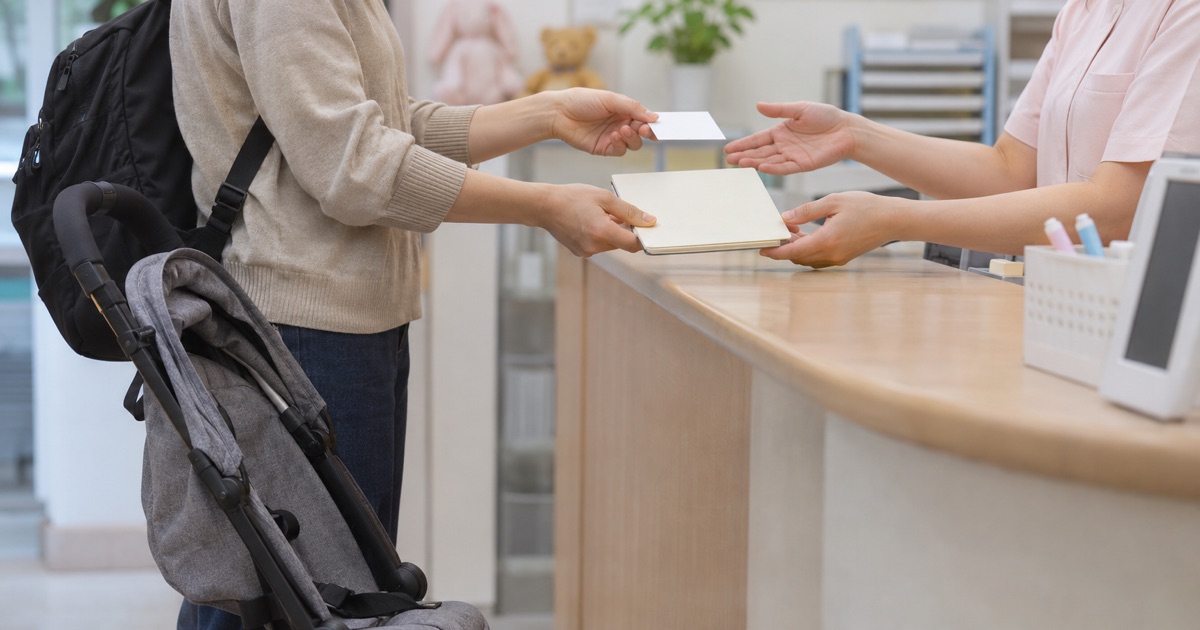
Upon arrival, slide open the door and approach the front desk. Staff will ask for your health insurance card. Politely inform them that you are international travelers paying out of pocket (jipi shinryo, 自費診療, meaning private/uninsured pay):
"Sumimasen, kanko de kimashita. Hoken-sho wa arimasen. Jipi de onegai shimasu."
(Excuse me, we are visiting as tourists. We do not have Japanese insurance. We will pay out of pocket.)
You will be handed an intake questionnaire (monshinhyo, 問診票). Many clinics have an English version. If only Japanese is available, use your phone camera with a live translation app to read and complete the form. You will also be handed an armpit thermometer to take your child's temperature in the waiting area.
2. The Consultation
When your child's name is called, enter the examination room. Japanese pediatricians are generally very thorough and accustomed to examining young children gently.
Show the doctor your written symptom notes. If communication is difficult, translation apps work well; speak in short, simple sentences without medical jargon. The doctor will examine your child’s throat, listen to their chest, and check their ears. Depending on the season and symptoms, they may perform a quick rapid nasal swab for influenza, RSV, or COVID-19.
3. Payment and Receipts
After the exam, return to the waiting room until the front desk calls you to pay. Uninsured consultations and basic tests at a neighborhood clinic generally cost between 5,000 and 15,000 yen, though costs vary depending on tests administered.
Ask the receptionist for an itemized receipt (ryoshusho, 領収書) and a medical certificate or statement of diagnosis (shindansho, 診断書) if required by your travel insurance provider for claims.
4. Picking Up Medication
Most clinics do not dispense medicine directly. Instead, they hand you an official paper prescription (shohousen, 処方せん).
Take this slip to any nearby dispensing pharmacy (chouzai yakkyoku, 調剤薬局). There is almost always a pharmacy located right next door or across the street from the clinic. Hand over the paper, fill out a short registration slip regarding allergies, and wait for the pharmacist.
In Japan, children's oral medicine is frequently prescribed as single-dose powders (san-yaku, 散薬) or concentrated sweet syrups rather than chewable tablets. The pharmacist will explain how many times per day to give the medicine. You will pay the pharmacy separately for the medication.
Practical Tips for Parents in Nakano
- Stroller Etiquette: Japanese clinics often have compact entrance areas (genkan, 玄関). You may be asked to take off your shoes and change into clinic slippers, and leave your stroller parked neatly in the hallway outside the main reception area.
- Restrooms: Restrooms in neighborhood clinics can be small. If your child needs a diaper change before or after the visit, larger train stations like Nakano Station or department stores have dedicated baby changing rooms (akachan kyukeishitsu, 赤ちゃん休憩室).
- Feeding and Hydration: If your child has a fever or upset stomach, stop by a convenience store (konbini) or drugstore to buy oral rehydration jellies (such as OS-1) or child-friendly barley tea (mugi-cha), which is naturally caffeine-free and gentle on little tummies.
Emergency Contacts and After-Hours Help
If your child experiences severe symptoms outside of daytime clinic hours, do not wait for a neighborhood office to open.
- Pediatric Emergency Hotline (#8000): Dialing `#8000` from a mobile phone connects you to Japan’s regional pediatric triage advice line, where nurses and doctors advise whether an emergency visit is necessary. Note that English service on this line depends on regional availability.
- Emergency Ambulance (119): If your child is having trouble breathing, loses consciousness, suffers a severe allergic reaction, or cannot keep fluids down, dial `119` immediately for an ambulance. Tokyo's dispatch system offers multi-language interpretation services.
- Train Transit to Central Hospitals: For broad hospital services, major lines from Nakano Station—operated by JR East—provide fast links to major medical districts across central Tokyo.
A sick child on vacation is stressful, but the medical system in Nakano is clean, welcoming, and well-equipped to get your little traveler back on their feet. Keep your documents organized, stay calm, and seek medical attention early so your family can return to enjoying your trip.
FAQ
- Q. Can a foreign tourist visit a kids clinic in Nakano without Japanese health insurance?
- A. Yes, international visitors can receive care at local clinics, but you must pay the full bill out of pocket at checkout and claim reimbursement from your travel insurer later.
- Q. What Japanese word should I look for when searching for a pediatric clinic?
- A. Search for "shonika" (小児科), which specifically means pediatrics in Japan, or look for general internal medicine clinics ("naika" / 内科) that also treat children.
- Q. What should I do if my child needs medical help late at night in Nakano?
- A. Call Japan's pediatric advice hotline by dialing #8000, visit a major hospital with an emergency room like Tokyo Metropolitan Bokutoh Hospital or St. Luke's, or dial 119 for an ambulance.
Cite or share this article
Copy the link below. If you quote this article, please link to this page as the source.