Okuma Kids Fishing Rod: Family Fishing in Japan
Key takeaways
- Okuma youth rods offer durable, portable setups ideal for Japanese urban fishing parks and coastal piers.
- Large Japanese tackle shops like Joshuya and Casting stock youth gear, compact travel combos, and kid-sized life vests.
- Catch-and-release fishing ponds in cities provide gentle entry points with clean restrooms and stroller access.
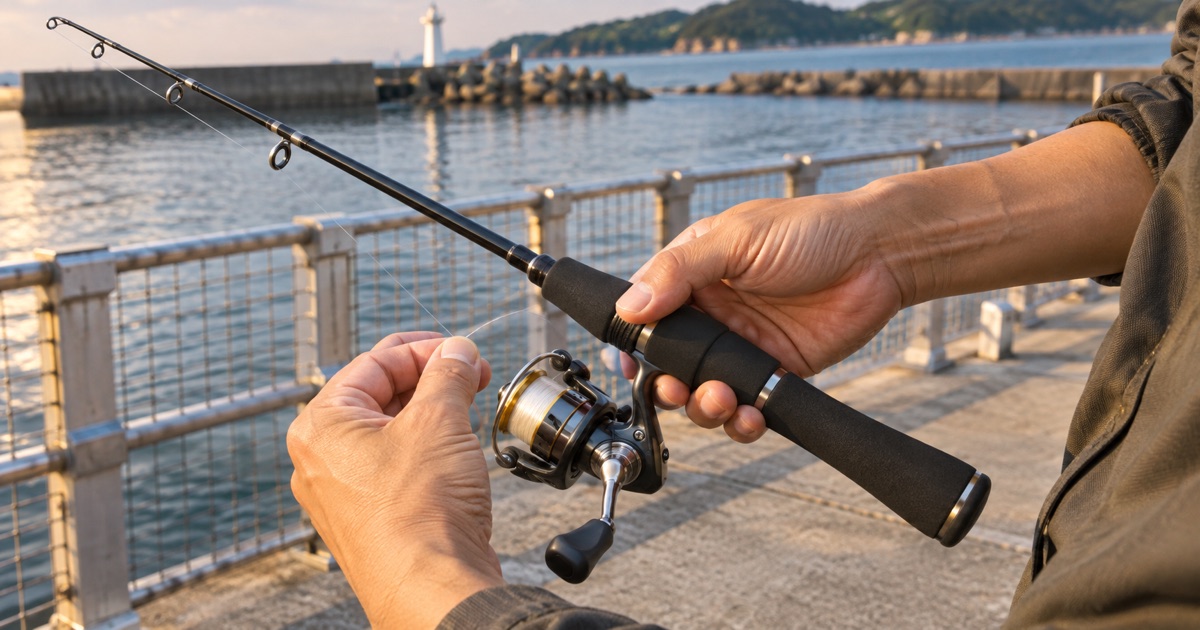
An Okuma kids fishing rod—particularly compact spin-cast or spinning youth combos—is an excellent, durable tool for introducing children to fishing during a family vacation to Japan. Whether bringing your own portable rod or picking up a youth combo at a Japanese outdoor shop, pairing lightweight tackle with Japan’s well-maintained urban fishing ponds and coastal marine parks makes for a stress-free outdoor activity with young kids.
Japan has a vibrant angling culture, but fishing in public coastal areas with young children can feel daunting for overseas visitors who do not speak or read Japanese. Fortunately, family-friendly facilities throughout the country remove the guesswork, providing safe platforms, clean restrooms, gear rentals, and fenced perimeters.
Why Choose an Okuma Kids Fishing Rod for Japan Travel
Okuma produces affordable, tough, and ergonomically balanced rods tailored for younger hands. Models designed for youth anglers typically feature shorter blanks (often between 4 and 6 feet), soft EVA grips that fit smaller palms, and simple spincast or light spinning reels.
When traveling across Japan on trains like the Tokaido Shinkansen (東海道新幹線) managed by JR Central, managing luggage is a key priority. Full-length fishing poles are cumbersome on busy platforms. Okuma youth setups that break down into two pieces or feature telescopic blanks tuck neatly into suitcases or strap easily alongside an umbrella stroller.
The main benefits of using this style of rod in Japan include:
- Tough fiberglass construction: Youth-specific blanks survive the inevitable drops against concrete piers and gravel banks.
- Versatile light action: Matches the smaller target species commonly found in Japanese stocked ponds and estuaries, such as rainbow trout (nijimasu), horse mackerel (aji), and small sea bream.
- Easy tangle management: Closed-face spincast reels minimize line snags for younger children, while small spinning reels teach older kids proper line control.
Where to Buy Kids Fishing Tackle in Japan
If packing a rod from home takes up too much luggage space, buying beginner-friendly gear in Japan is simple. Major fishing retail chains operate extensive multi-story shops in major transport hubs.
Major Retailers
- Joshuya (上州屋): One of Japan’s most widespread retail tackle chains. Central branches, such as those in Shibuya or Ikebukuro in Tokyo, carry full beginner kits, youth-sized life vests, bait, and portable travel rods.
- Casting (キャスティング): Another massive chain with expansive stores stocked with both international brands and domestic Japanese makers.
- Daiso and 100-Yen Shops: Larger flagship 100-yen shops frequently carry basic hooks, sinkers, sabiki rigs, and small tackle boxes for a fraction of regular prices.
Staff at these specialty shops rarely speak fluent English, but showing a photo on your smartphone of what you need—such as an "Okuma combo" or the Japanese term for children's gear, kodomo-yo tsuri-zao (子供用釣り竿)—will quickly point you toward the youth aisle. Basic youth rod-and-reel combos generally cost between 2,500 yen and 6,000 yen, depending on the specifications. Prices change over time, so verify local rates before purchasing.
We are working to carry Japanese craft and everyday culture beyond Japan, by building Japan Towns with local partners.
Read the Japan Town plan →Types of Kid-Friendly Fishing Spots in Japan
Taking children to an open, rocky shoreline or an unfenced breakwater is not recommended due to slippery footing and strong ocean currents. Instead, Japan offers controlled environments perfect for beginners using light gear.
1. Urban Fishing Ponds (Tsuribori)
Urban fishing ponds (釣り堀, tsuribori) are commercial facilities located inside cities, sometimes even atop department store roofs or beneath rail tracks.
- What you catch: Primarily carp (koi) or goldfish (kingyo).
- Facilities: Flat concrete floors, stroller access, shaded benches, and immediate proximity to clean public restrooms.
- Equipment rules: Many inner-city ponds require visitors to use on-site cane poles without reels to avoid tangled lines in tight quarters. If you plan to use an Okuma rod, always ask the front desk ("Jibun no sao tsukatte ii desu ka?") before setting up.
2. Managed River and Trout Parks (Kanri Tsuriba)
Nestled in foothills easily reached by day trips from Tokyo, Kyoto, or Osaka, managed trout areas (管理釣り場, kanri tsuriba) dam natural mountain streams or create artificial ponds stocked with trout.
- What you catch: Rainbow trout and char.
- Gear match: Perfectly suited for light Okuma spin setups using small spoons or floating bait paste.
- Kid appeal: Most trout farms allow families to salt and grill their catch over charcoal fires on the spot, solving lunch for picky eaters who enjoy food they caught themselves.
3. Sea Fishing Parks (Kaiyo Tsuri Koen)
Coastal cities operate marine parks (海づり公園, kaiyo tsuri koen) built along calm bays and harbors.
- What you catch: Horse mackerel, small sea bass (seigo), and flathead.
- Safety: These piers feature secure railings, lifebuoys, on-site tackle shops, and drink vending machines. Staff often monitor the docks to assist with landing fish.
- Technique: Drop a light "sabiki" rig (a string of small, shiny imitation shrimp hooks) straight down off the pier using an Okuma rod to catch schooling baitfish.
Practical Family Logistics: Strollers, Bathrooms, and Weather
Fishing with children requires extra attention to comfort and safety. Japanese municipal fishing facilities excel at cleanliness, but keeping the outing smooth requires advance preparation.
Restrooms and Diaper Changing
Urban tsuribori and seaside fishing parks almost always provide clean western-style toilets. Dedicated baby-changing tables are standard at larger marine parks, though smaller mountain trout facilities may only feature basic facilities. Keeping a portable changing mat and hand sanitizer in your daypack is wise.
Stroller Management
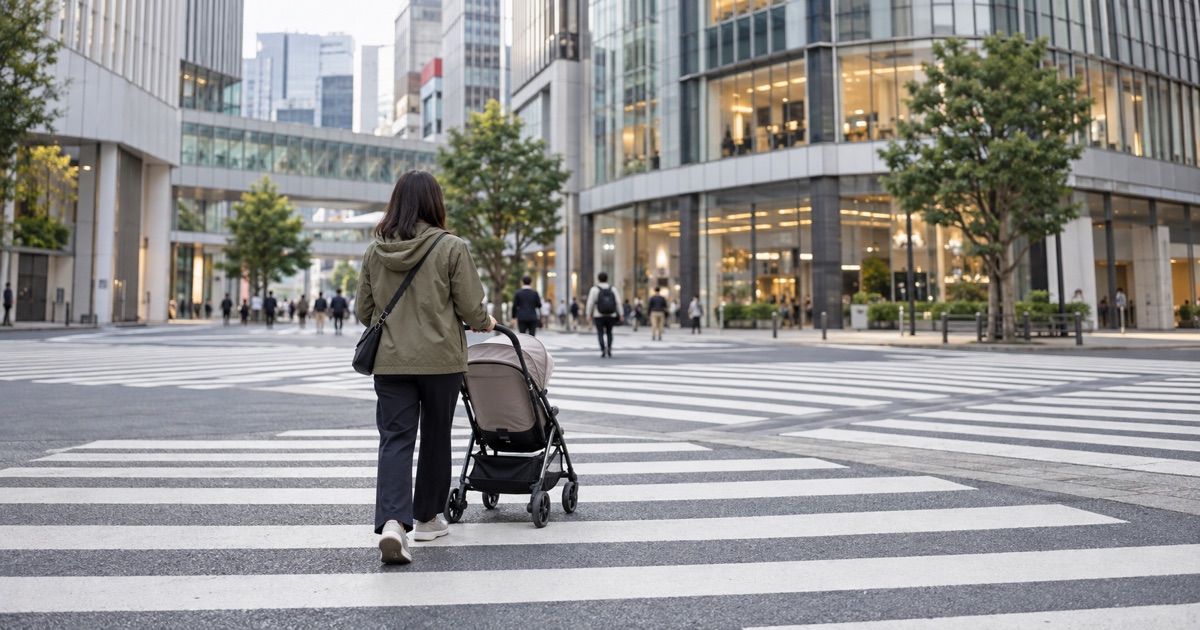
Boardwalks and sea parks are generally step-free and stroller-accessible. However, traditional wooden piers or mountain stream paths can feature loose gravel and narrow suspension bridges. A lightweight umbrella stroller that folds with one hand makes boarding suburban trains far easier than navigating a bulky full-sized travel system.
Timing and Naps
Fishing takes patience that young children can quickly exhaust. Limit your initial family session to roughly 90 minutes to two hours. Planning an outing that starts mid-morning, followed by a fresh-fish lunch, allows toddlers to take their midday naps in the stroller or during the train ride back to the hotel.
Etiquette and Catch Management
Japan maintains strict communal manners at public fishing grounds:
- Clean your area: Vending machines provide trash disposal for bottles and cans, but fishing line scraps, bait wrappers, and food rubbish must be carried out or placed into marked disposal cans.
- Space awareness: Avoid casting over other anglers' lines. At crowded city piers, simple vertical drop fishing (sabiki) is preferred over overhead casting.
- Fish handling: If practicing catch-and-release, wet your hands before touching the fish to protect its protective slime coat, and use barbless hooks whenever possible.
For broader travel planning, safety alerts, and seasonal regional travel ideas across Japan, consult the Japan National Tourism Organization before your trip.
FAQ
- Q. Can I bring an Okuma kids fishing rod on Japanese trains?
- A. Yes, compact telescopic or multi-piece youth rods fit easily on local trains and shinkansen when packed inside a carry bag.
- Q. Do Japanese fishing parks rent tackle if I do not bring my own rod?
- A. Most commercial pay ponds and urban fishing centers rent basic cane poles, hooks, and bait, so owning gear is not strictly required.
- Q. Are life jackets mandatory for children fishing at coastal parks in Japan?
- A. Many coastal marine parks require children to wear life vests (Penta/chokki), which are often provided for free or for a small rental fee on-site.
Cite or share this article
Copy the link below. If you quote this article, please link to this page as the source.