Osaka With Kids: A Practical First-Timer's Family Guide
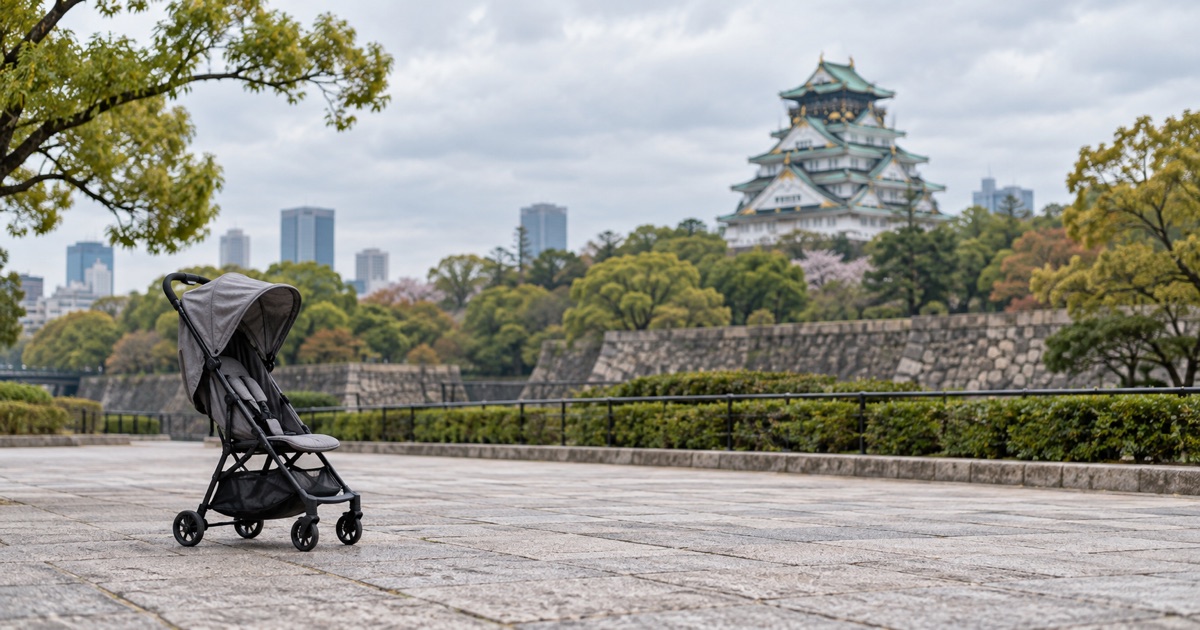
Key takeaways
- Osaka is one of Japan's most stroller- and kid-friendly big cities, with compact distances between major family attractions.
- Base yourself near Osaka Station (大阪駅) or Namba (難波) to cut travel time between hotels, trains and attractions.
- Pack a portable fan or cooling towel in summer and a change of clothes for water-play areas at Osaka Aquarium and USJ.
Osaka With Kids: What First-Time Families Need to Know
Osaka is one of the easiest big Japanese cities to visit with children, thanks to its compact layout, abundant stroller-friendly stations, and a food culture that rarely disappoints picky eaters. With two to three days, most families can comfortably cover the main sights, a theme park day, and still leave room for naps and slow mornings.
This guide focuses on practical details: where to stay, how to move around with a stroller, which attractions genuinely work for young kids, and the small mistakes that trip up first-timers.
Where to Stay With Kids in Osaka
For most families, staying near Osaka Station/Umeda (大阪駅・梅田) or Namba (難波) makes the most sense. Both areas have direct train and subway access to major attractions, plenty of convenience stores, drugstores for baby supplies, and a wide range of hotel room sizes, including some with connecting or larger family rooms.
Umeda tends to feel calmer in the evenings and has large underground shopping malls that double as rainy-day escapes. Namba is livelier, closer to Dotonbori (道頓堀) and Shinsekai (新世界), and convenient if you plan to eat out often with kids who go to bed late anyway.
If Universal Studios Japan (USJ) is a major focus of your trip, consider one night near Universal City Station (ユニバーサルシティ駅) to avoid an early-morning transit with sleepy children.
Getting Around Osaka With a Stroller
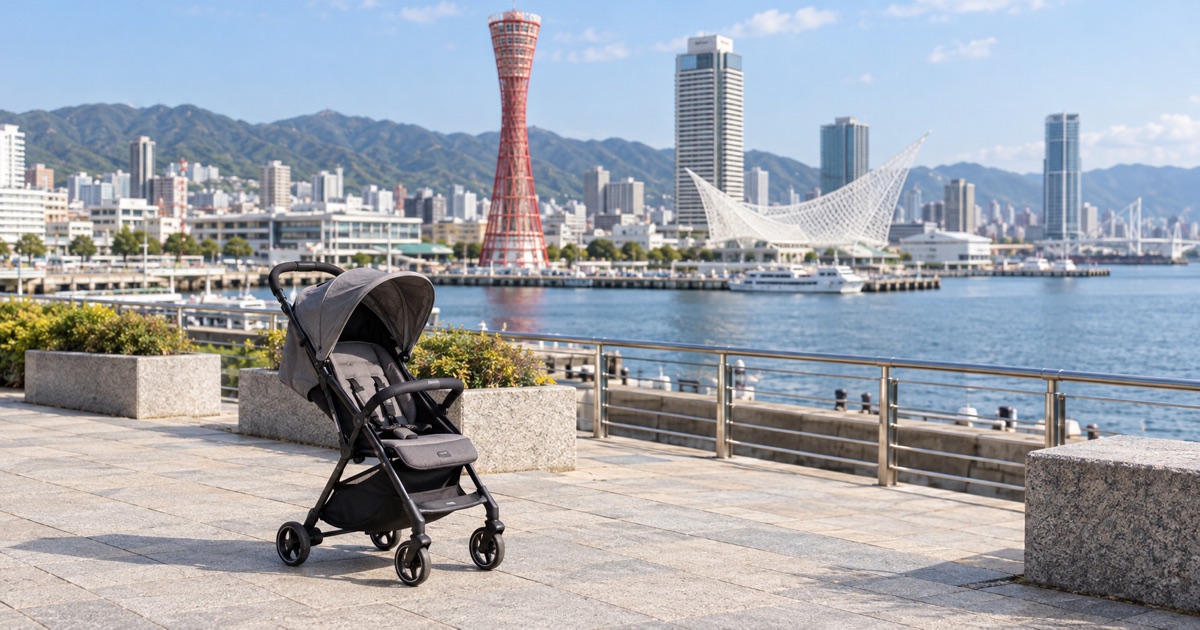
Osaka's subway and JR lines are generally manageable with a stroller, though not every exit has an elevator, so it's worth checking station maps in the app or asking staff. Rush hour (roughly 7:30–9:00 am and 5:30–7:00 pm) is best avoided with a stroller if possible, as platforms and train cars get crowded.
A few practical tips:
- Fold compact strollers are easier on local trains than large jogging-style strollers.
- IC cards (such as ICOCA, issued by JR West) make tapping in and out far faster than buying paper tickets each time, especially useful when carrying a child.
- Station toilets with baby-changing facilities are common at major stations, but not guaranteed at every small stop, so plan around larger hubs when possible.
- Taxis are a reasonable backup for short hops when a child is overtired or the weather turns.
Top Osaka Attractions That Work Well With Kids
Osaka Castle (大阪城)
The castle park has wide paths, lawns for letting toddlers run, and food stalls nearby. The main keep has stairs and some sections without elevators, so a baby carrier can be more practical than a stroller for the top floors.
Osaka Aquarium Kaiyukan (海遊館)
A reliable favorite for almost any age, with a long spiral path past large tanks, including whale sharks. Strollers are allowed, and there are nursing rooms and family toilets on site. Expect it to be busy on weekends and school holidays, so arriving close to opening is worth it.
Universal Studios Japan (USJ)
USJ is a full-day commitment and works best for kids who can handle some waiting, though younger children can still enjoy the Wizarding World of Harry Potter and Universal Wonderland areas, which are designed with small children in mind. Bring a change of clothes if you plan any water-based rides or play areas, and check the official USJ website for current age and height restrictions before you go, as these can change.
Shinsekai and Tsutenkaku Tower (新世界・通天閣)
A retro, slightly chaotic neighborhood good for an hour or two rather than a full day. Older kids often enjoy the tower views and the novelty of the old-fashioned streets, though it's less stroller-friendly due to narrow, busy sidewalks.
Dotonbori (道頓堀)
Famous for its neon signs and canal-side crowds, Dotonbori is fun for a short evening walk but gets extremely crowded, so it's not ideal for tired toddlers close to bedtime. Many family-run restaurants nearby serve okonomiyaki and takoyaki, which tend to be popular even with picky eaters since they're customizable and familiar in texture.
Day Trip Option: Kyoto or Nara
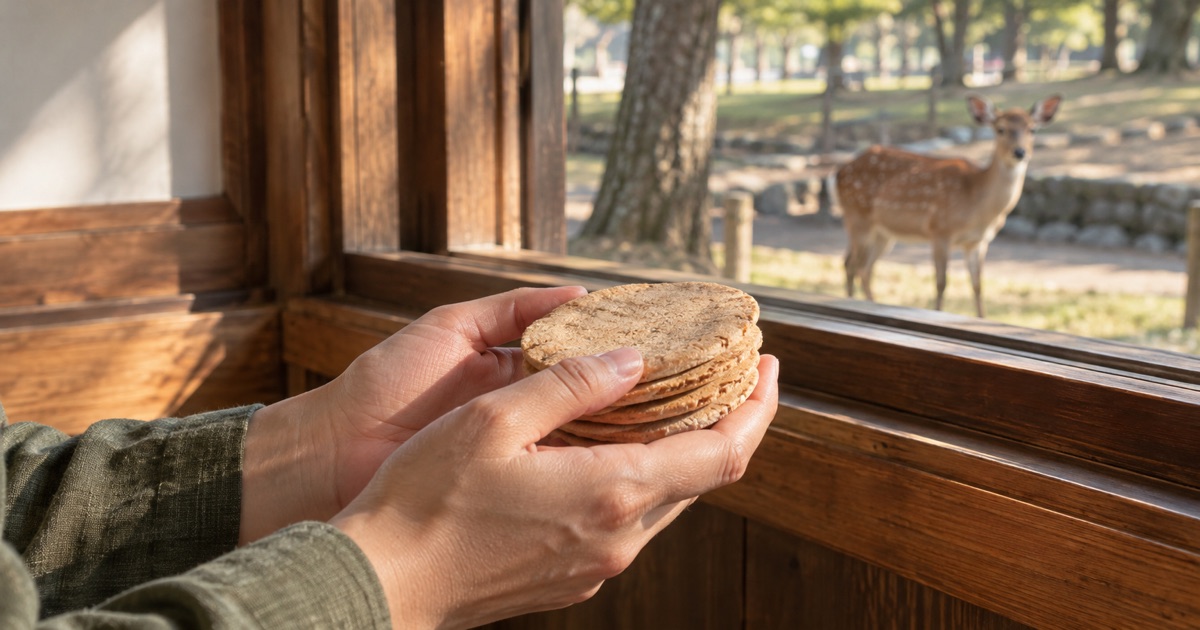
Osaka's central location makes it a workable base for day trips to Kyoto (京都) or Nara (奈良), both roughly 30–45 minutes away by direct train depending on the line and station. Nara Park is especially popular with families because of the free-roaming deer, though supervise younger children closely, as deer can nip at hands or clothing when looking for food.
Check current train options and travel times on JR West before planning a day trip, since schedules and fares can change.
Food in Osaka With Picky Eaters
Osaka is often called Japan's kitchen, and it's genuinely one of the easier cities for fussy young eaters. Okonomiyaki (savory pancake), takoyaki (octopus balls, though plain versions or ones without octopus are sometimes available), and ramen are widely available and generally mild enough for kids.
Department store basement food halls (depachika) are useful for families, offering ready-made items, fruit, and bread that even wary toddlers may accept. Convenience stores like 7-Eleven, Lawson and FamilyMart also stock reliable, familiar-tasting snacks and onigiri (rice balls) for emergencies.
Common Mistakes First-Time Parents Make in Osaka
- Overpacking the itinerary. Osaka rewards a slower pace; cramming in too many sights back-to-back often backfires with overtired kids.
- Skipping nap planning. Hotel check-in times are usually mid-afternoon, so build in a café or park stop if nap time falls mid-day.
- Not checking ride restrictions at USJ in advance. Height and age limits vary by ride and can change, so check the official site rather than guessing on the day.
- Forgetting cash. While cards and IC cards are widely accepted, some smaller food stalls and older shops are cash-only.
Planning Resources
For up-to-date train information, passes, and official announcements, the Japan National Tourism Organization and JR West websites are good starting points, especially since prices, hours and schedules can change without much notice.
With a flexible pace, a few stroller-friendly stations as home base, and realistic expectations about nap times, Osaka tends to be one of the smoother Japanese cities to explore with young children.
FAQ
- Q. How many days do you need in Osaka with kids?
- A. Most families find two to three full days enough to cover Osaka Castle, the aquarium, Shinsekai and a theme park day without rushing.
- Q. Is Osaka stroller-friendly?
- A. Yes, generally. Stations and malls usually have elevators, though some older shopping streets and shrine approaches have steps or uneven paving.
- Q. Should we stay in Osaka or Kyoto with young kids?
- A. Osaka tends to suit families better for nightlife-free evenings, food variety and easy access to USJ, while Kyoto suits day trips from either base.
Cite or share this article
Copy the link below. If you quote this article, please link to this page as the source.