Shirakawago with Kids: A Practical Family Day Trip Guide
Key takeaways
- Shirakawago (白川郷) works best as a long day trip from Takayama or Kanazawa, not Tokyo, due to travel time.
- Bring your own stroller carrier or baby carrier, as the village's gravel paths and farmhouse steps are not stroller-friendly throughout.
- Book reserved highway bus seats in advance during cherry blossom, summer, and winter illumination periods, when seats sell out early.
Shirakawago with Kids: What Families Need to Know First
Shirakawago (白川郷) is a manageable and rewarding day trip for families, best done from Takayama or Kanazawa rather than as a rushed add-on from Tokyo. With some planning around bus reservations, toilets, and footwear, most parents find a few hours here enjoyable even with toddlers or preschoolers in tow.
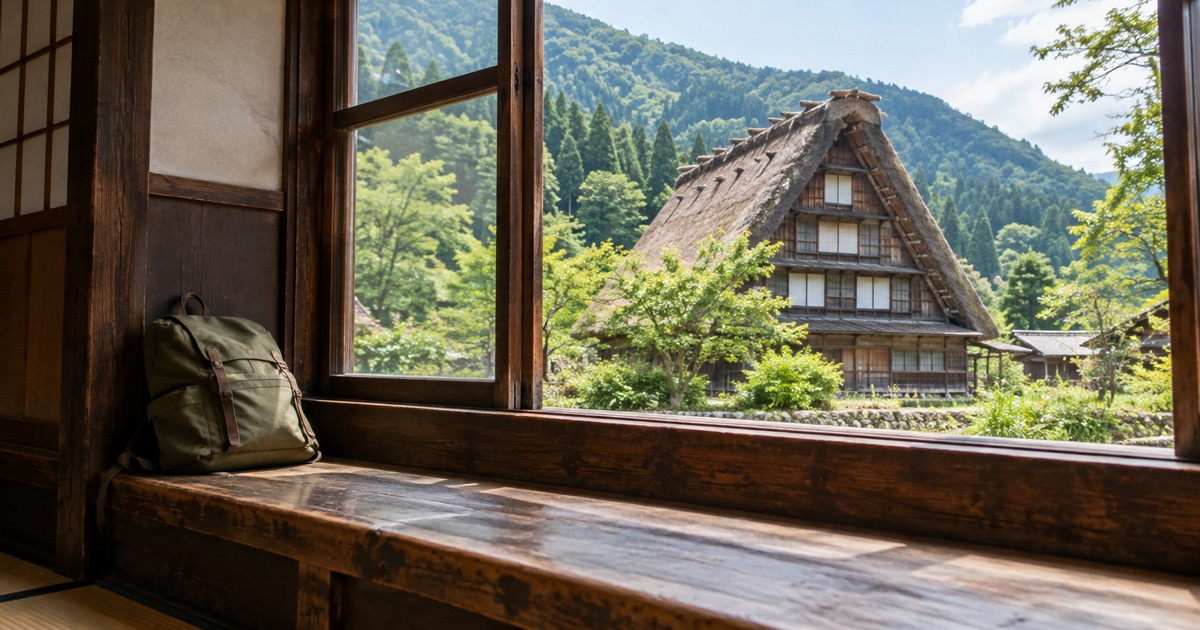
This UNESCO World Heritage village is famous for its steep-roofed gassho-zukuri farmhouses, many over a century old, set against a mountain backdrop. It is beautiful, but it is also rural: there is no train station, limited stroller access, and fewer convenience facilities than families may expect from a typical Japan day trip. Knowing this ahead of time makes a big difference.
Why Shirakawago Appeals to Families
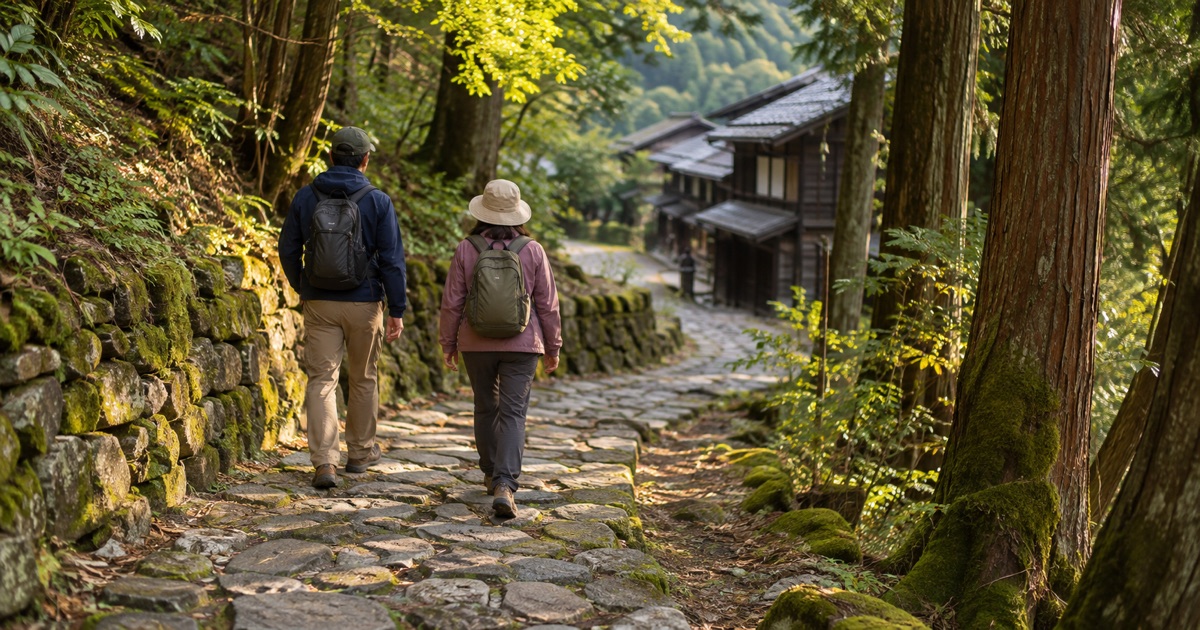
Kids tend to enjoy Shirakawago because it feels like stepping into a storybook. The thatched roofs, rice fields, and small streams give children something visually different from Tokyo or Kyoto's city sights. Several farmhouses are open to the public and let visitors go inside to see the wooden beams and old tools, which can interest curious children even without being able to read Japanese signage.
The village is also small enough that it doesn't feel overwhelming for a half-day visit, unlike larger theme parks or museum complexes that can exhaust young children.
How to Get to Shirakawago with Kids
There is no train line to Shirakawago, so access is by highway bus. The most common routes for families are:
- From Takayama (高山): around 50 minutes by direct bus, making it the easiest base for families with young kids.
- From Kanazawa (金沢): roughly 60 to 75 minutes by direct bus.
- From Nagoya or Toyama: longer bus rides, usually better suited to older kids who can handle more seat time.
Because Shirakawago is a popular stop, reserved seats on highway buses can sell out during cherry blossom season, summer holidays, and the winter illumination events. Booking in advance is strongly recommended if you are traveling with a baby who naps on a schedule or a toddler who needs a car seat equivalent or lap seating arrangement. Check current schedules and reservation links through operators listed on regional tourism sites, and confirm times close to your travel date, as they can change.
If your trip already includes a Hokuriku Shinkansen journey to Kanazawa, Shirakawago pairs naturally as a one-day detour before continuing on to Takayama or back toward Tokyo. For shinkansen routes and passes, the JR Central and JR West websites are useful starting points, though note that the highway bus itself is not covered by JR rail passes.

We are working to carry Japanese craft and everyday culture beyond Japan, by building Japan Towns with local partners.
Read the Japan Town plan →What to Bring for a Family Visit
A little preparation goes a long way in Shirakawago, where shops and facilities are more spread out than in a typical city center.
- Baby carrier over a stroller: Village paths include gravel, slopes, and narrow wooden walkways. Several farmhouses require removing shoes and climbing steep interior stairs, which are not stroller-compatible. A soft carrier or framed backpack carrier is far more practical for children under 3.
- Layers of clothing: Shirakawago sits in a mountain basin, so temperatures can be noticeably cooler than Takayama or Kanazawa, especially in the shoulder seasons and winter.
- Snacks and a refillable water bottle: While there are some shops and food stalls near the main viewpoint and bus terminal area, options can be limited, and picky eaters may prefer familiar snacks brought from home.
- Cash in small denominations: Smaller family-run shops and farmhouse entry fees may not accept cards.
- Hand sanitizer and tissues: Public toilets exist near the bus terminal and main village area, but are not as frequent as in a city, and may not always have soap or paper.
A Simple Half-Day Plan with Young Children
For families with toddlers or preschoolers, a loose structure helps keep the visit manageable:
- Arrive late morning after nap time or feeding, so children are rested for walking.
- Start at the Shiroyama Viewpoint (if accessible that day) for the classic panoramic photo of the village, usually reached by a short shuttle bus or a walking path with some incline.
- Walk through the main village area, stopping at one or two open farmhouses rather than trying to see everything.
- Take a food or rest break around midday, using this time for a stroller nap if your child still uses one on flat stretches near the bus terminal.
- Head back toward Takayama or Kanazawa in the afternoon, leaving buffer time in case buses run behind schedule.
This pace usually fits within 2 to 3 hours in the village itself, plus bus travel time on each side.
Common Mistakes Families Make in Shirakawago
Not reserving bus seats in advance. During peak seasons, walk-up tickets may not be available, especially for return buses in the afternoon when many day-trippers are heading back at once.
Bringing a full-size stroller expecting flat paths throughout. While some areas near the entrance are manageable, the village itself has gravel, slopes, and farmhouse stairs that make a carrier more reliable.
Underestimating travel time. Families sometimes plan Shirakawago as a quick stop between Tokyo and Kyoto, not realizing the bus connections add significant time. It works far better as a dedicated day trip from Takayama or Kanazawa.
Skipping weather checks. Mountain weather changes quickly, and rain or snow can make the gravel paths slippery for small children. Checking the forecast the night before helps you pack appropriately.
Assuming all farmhouses are open daily. Some famhouses and facilities have seasonal closures or irregular hours, so it's worth checking official information shortly before your visit rather than assuming year-round access.
Practical Notes Before You Go
Opening hours, bus schedules, and entry fees for farmhouses can change by season and are best confirmed close to your travel date. The Japan National Tourism Organization website is a reliable starting point for general planning and seasonal event information, including any updates on winter illumination events that require separate reservations.
Shirakawago is not a theme park designed for children, and parents should expect a rural, walking-heavy day rather than an attraction with constant entertainment. For families willing to adjust pace and bring the right gear, though, it remains one of the more memorable half-day trips available from either Takayama or Kanazawa.
FAQ
- Q. Is Shirakawago stroller-friendly?
- A. Partly. Main paths near the viewpoint and bus terminal are flat, but many farmhouse interiors have steep wooden stairs and the village itself has gravel and uneven ground, so a baby carrier is more practical than a stroller for most families.
- Q. How long should we plan to stay in Shirakawago with kids?
- A. Most families find 2 to 3 hours enough to see the viewpoint, walk through the village, and visit one farmhouse, though toddlers may need extra time for breaks and snacks.
- Q. Can we reach Shirakawago by train?
- A. No, there is no train station in Shirakawago. Access is by highway bus from Takayama, Kanazawa, Nagoya, or Toyama, so check bus schedules and reserve seats in advance.
Cite or share this article
Copy the link below. If you quote this article, please link to this page as the source.