Visiting Fort Kochi with Kids: A Family Guide to Kochi Castle
Key takeaways
- Kochi Castle is one of Japan's 12 original keeps, featuring steep wooden stairs inside that require carrying toddlers.
- The outdoor castle park allows strollers, but reaching the main keep requires climbing stone stairs and inclines.
- Easily reached by the Tosaden tram from JR Kochi Station, with kid-friendly food options nearby at Hirome Market.
Visiting Fort Kochi—properly known as Kochi Castle (高知城, Kochijo)—with kids is an exciting and active outing, offering one of Japan's best-preserved original samurai fortresses surrounded by open stone plazas. While the castle park is welcoming to families, climbing into the interior keep requires ascending very steep, ladder-like wooden stairs, meaning parents with toddlers should bring a sturdy baby carrier and prepare for a workout.
Perched atop a hill in the center of Kochi City on the southern coast of Shikoku, this historic site lets children experience a real feudal fortress rather than a modern concrete reconstruction. Here is everything parents need to know to navigate the grounds, tackle the stairs, manage nap schedules, and find kid-friendly food nearby.
Understanding the Layout: The Grounds vs. The Keep
Before heading out, it helps to distinguish between Kochi Castle Park (高知公園, Kochi Koen) and the castle’s main keep (天守, Tenshu).
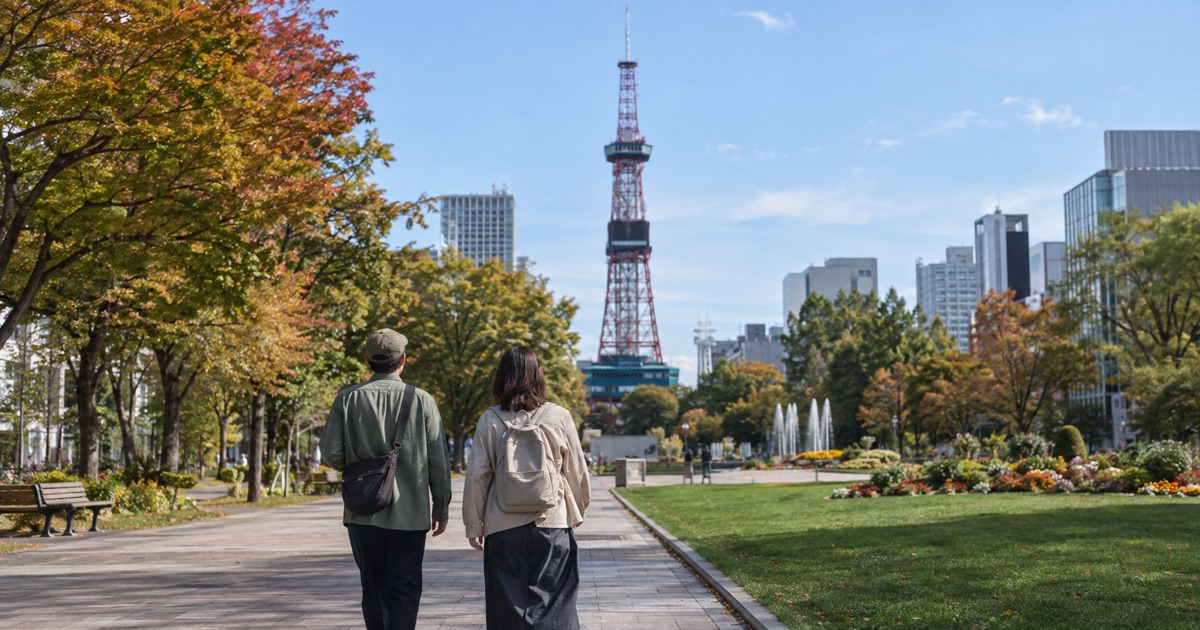
The outer grounds feature wide stone gates, defensive walls, paved pathways, and open green clearings. The iconic Otemon Gate (追手門) stands at the main entrance, where you can take a classic photo capturing both the gate and the hill-mounted keep in a single view. The park grounds are open freely, making them a great spot for children to burn off energy before entering historic buildings.
The inner fortress, which requires a small entry fee, includes the wooden keep and Kaitokukan Palace (懐徳館). Kochi is unique because it is the only castle site in Japan that retains both its original main keep and the surrounding palace structure from the Edo period. Inside, floors are historic polished wood, and visitors must remove their outdoor shoes at the door.
Strollers, Steps, and Baby Carriers
Navigating Kochi Castle with little feet requires some planning around mobility.
Outdoor Paths and Strollers
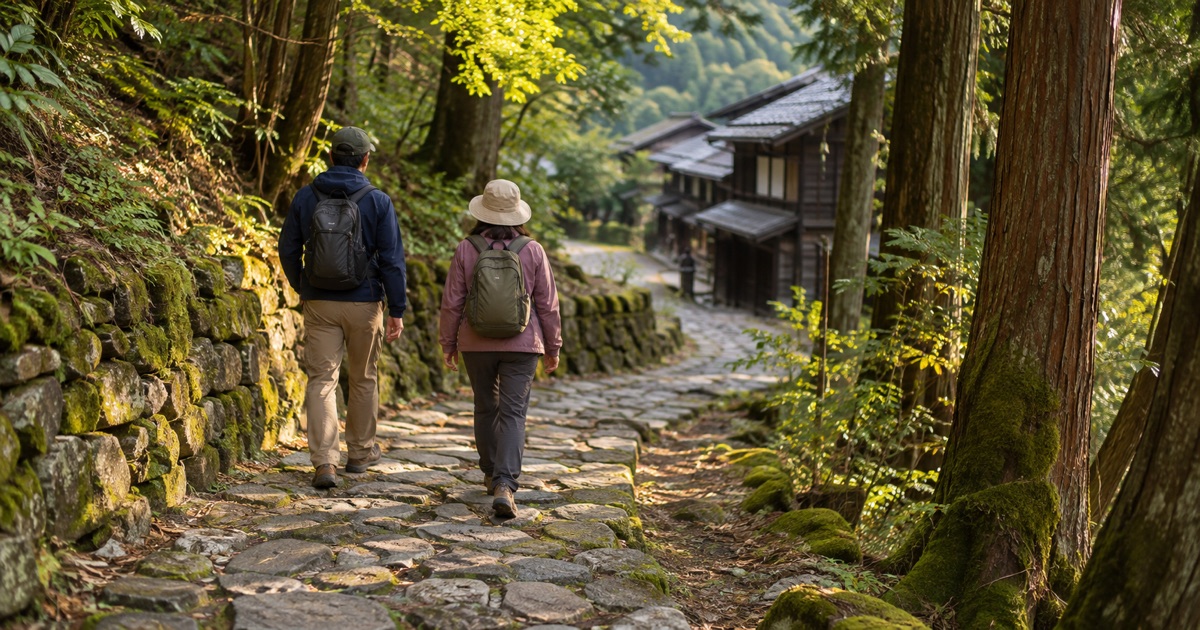
You can push a sturdy stroller through the main Otemon Gate and along the paved, gently sloping switchback ramps up toward the middle tier of the hill. However, as you approach the upper defensive levels, you will encounter long flights of uneven stone steps built deliberately to slow down attacking warriors.
While lightweight strollers can be lifted up occasional steps, maneuvering heavy travel systems over the rough cobblestones quickly becomes exhausting. If you have an infant or toddler, using a baby carrier from the start is significantly easier than pushing a stroller up the hill. If you do bring a stroller, you can fold and leave it near the ticket gate or castle reception area, though items are left at your own risk.
Inside the Wooden Keep
Strollers are strictly prohibited inside the historic wooden buildings.
Once inside the keep, visitors must carry their shoes in provided bags. Slippery socks on polished wood can lead to falls, so barefoot walking or non-slip grip socks are best for small children. The staircases connecting the levels inside the tower are narrow, steep, and closer to wooden ladders than modern stairs.
- Toddlers and preschoolers: Must hold a parent's hand or be carried.
- Infants: Keep your hands free by securing your baby in a front-facing or back baby carrier before starting the ascent.
- Older kids: Elementary-aged children usually love the challenge of climbing the ladder-stairs, but they need reminders to take each step slowly and hold the side ropes or wooden railings.
At the very top of the tower, you can step out onto an open wooden balcony. The view across Kochi City and the surrounding mountains is panoramic, and the railing is sturdy, but keep a firm hand on adventurous toddlers who like to peek over edges.

We are working to carry Japanese craft and everyday culture beyond Japan, by building Japan Towns with local partners.
Read the Japan Town plan →Restrooms, Diaper Changing, and Rest Stops
Public restrooms are located near the base of the hill by the main gate and near the castle museum facilities. Modern multi-purpose toilets (labeled dare-demo-toire) offer fold-down diaper changing tables.
Restrooms are not available inside the narrow, wooden multi-story keep. Always make a bathroom stop at the base of the hill or near the ticket gate before you begin the final climb into the historic tower.
Benches and shaded resting spots are scattered along the park paths under pine and cherry trees. If a baby needs a nursing break or a toddler demands a rest, these quiet terraces provide plenty of space to sit down without blocking walking paths.
Practical Family Itinerary and Timing
To make the most of your visit while avoiding midday meltdowns, plan your schedule around weather and nap times:
- Morning arrival (Roughly 9:00 AM to 10:30 AM): Mornings offer cooler temperatures, fewer tour groups, and easier stair navigation. Allocate roughly 1.5 to 2 hours for a relaxed walk through the park and a steady climb up and down the keep.
- Mid-morning snack: Pack small snacks and water bottles. Japanese drink vending machines are located near the bottom of the park, but there are none inside the historic keep.
- Lunch at Hirome Market (Around 11:30 AM): A short 5-minute walk east of the castle’s Otemon Gate brings you to Hirome Market (ひろめ市場). This covered food hall is an ideal spot to eat with children.
For further regional planning and transit maps, check the official resources on the Japan National Tourism Organization website.
Kid-Friendly Food at Hirome Market
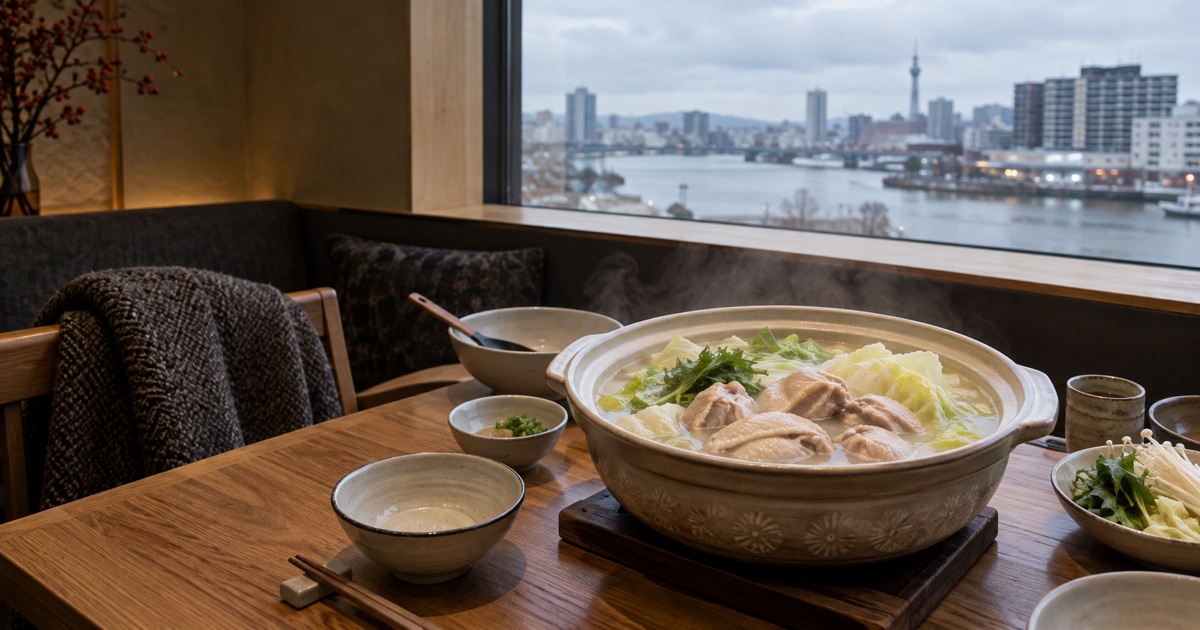
Feeding picky eaters in unfamiliar cities can be challenging, but Kochi's food culture is casual and approachable. Hirome Market features dozens of stalls sharing a communal seating area, similar to a traditional hawker center.
Adults can sample Kochi's famous katsuo no tataki (lightly seared bonito fish served with garlic and sea salt), while parents can easily gather simple, kid-friendly staples from adjacent stalls:
- Karaage (Japanese fried chicken): Bite-sized, tender, and available at multiple counters.
- Yatai-style Gyoza: Kochi is famous for small, crispy fried dumplings that are easy for young kids to handle.
- Onigiri and Rice Bowls: Mild, plain steamed rice balls wrapped in seaweed or topped with cooked salmon.
- Udon noodles: Mild broth with soft, comforting wheat noodles that almost every child accepts.
Parent tip for Hirome Market: The market fills up fast with local diners and drinks after mid-afternoon, making it noisy and crowded. Arriving around 11:00 AM to 11:30 AM gives your family the best chance of claiming an open table with space to park a folded stroller.
Getting to Kochi Castle with Kids
Kochi Castle sits right in central Kochi, making transit straightforward even without a rental car.
From JR Kochi Station (高知駅)
- By Tram (Tosaden Kotsu): Take the local streetcar (tram) heading toward Sambashi-dori-gochome from JR Kochi Station, change at Harimayabashi (はりまや橋) to the Ino line, and get off at Kochijo-mae (高知城前). The tram ride takes roughly 10 to 15 minutes. Note that historic tram cars have narrow doors and steps; fold your stroller before boarding.
- On Foot: Walking straight down the main avenue from JR Kochi Station to the castle gate takes around 20 to 25 minutes along flat sidewalks. With preschoolers, this walk might take closer to 35 minutes, so the tram or a quick taxi is usually better for saving little legs.
- By Taxi: A local taxi from the south exit taxi stand of JR Kochi Station takes around 5 to 10 minutes and costs roughly 800 to 1,200 yen, depending on traffic. If you have multiple children, a stroller, and day packs, a taxi is often the smoothest option.
Families exploring the wider island of Shikoku via rail can consult JR West for regional connections linking the main island of Honshu to Kochi via the Seto-Ohashi Line.
What to Bring
Pack light, as you will need to carry your day pack and possibly your child up the historic steps:
- Soft baby carrier: Essential for infants, toddlers, and young two-year-olds inside the keep.
- Slip-resistant socks: Keep a pair in your day pack for your kids to wear on the smooth wooden floors.
- Towel or wipes: Stone walls, handrails, and outdoor steps mean hands get dusty quickly.
- Water bottles: Drink stations are located only at the park base.
- Small coin purse: Tram fares and market stalls often prefer 100-yen coins and 1,000-yen notes over credit cards.
Visiting Kochi Castle gives children a hands-on look at historic Japan in a manageable, walkable city setting. With a baby carrier ready and a relaxed lunch planned nearby, it makes for a memorable stop on any Shikoku family adventure.
FAQ
- Q. Can you take a stroller inside Kochi Castle?
- A. No, strollers must be parked at the entrance of the main wooden keep. You will need to carry young children up very steep stairs.
- Q. How long should families spend at Fort Kochi?
- A. Plan for roughly 1.5 to 2.5 hours to walk the grounds, explore the interior keep, and take a quick rest break.
- Q. Is there child-friendly food near Kochi Castle?
- A. Yes, nearby Hirome Market offers family-friendly stalls serving fried chicken, gyoza, noodles, and mild rice dishes alongside local specialties.
Cite or share this article
Copy the link below. If you quote this article, please link to this page as the source.