Gifu with Kids: A Family Travel Guide to Castles and Rivers
Key takeaways
- Gifu City, Hida Takayama and Shirakawa-go each suit different ages; plan around nap times and walking distance.
- Gifu Castle requires a hillside walk or ropeway ride, so strollers are not practical on the mountain itself.
- Shirakawa-go is a long day trip by bus from Takayama or Nagoya; check seasonal reservation rules before you go.
Gifu with Kids: Is It a Good Family Destination?
Gifu with kids works well because the region mixes castle towns, mountain scenery and rivers into a manageable, low-stress itinerary. Families who prefer fewer crowds than Kyoto or Tokyo, but still want castles, old streets and a real sense of "old Japan," tend to enjoy it.
Gifu Prefecture (岐阜県) sits roughly between Nagoya and the Japan Alps, and most visiting families base themselves around two areas: Gifu City (岐阜市), known for its castle and the Nagara River, and Hida Takayama (飛騨高山), a mountain town that is also the gateway to the famous thatched-roof village of Shirakawa-go (白川郷). Both areas are reachable without a rental car, which matters if you are travelling with a stroller and do not want to deal with unfamiliar roads.
Getting to Gifu with Kids
Most families arrive via Nagoya, which has a major shinkansen station on the Tokaido Shinkansen line. From Nagoya, Gifu City is about 20 minutes by regular JR train, making it an easy day trip or short stopover. You can check routes and current fares on the JR Central website before you travel.
Hida Takayama is further out, roughly 2 to 2.5 hours from Nagoya by limited express train. If your child naps on trains, this can actually work in your favor — many parents time the Takayama ride around a nap.
A few practical notes:
- Reserved seats are worth the small extra cost on longer rides, so you are guaranteed to sit together with a stroller nearby.
- Coin lockers exist at major stations like Nagoya and Gifu, but they fill up fast in peak season, so have a backup plan for luggage.
- Station toilets in Japan are generally clean and often have a multipurpose stall suitable for diaper changes, though this is not guaranteed at every small station.
We are working to carry Japanese craft and everyday culture beyond Japan, by building Japan Towns with local partners.
Read the Japan Town plan →Gifu City: Castle, River and Easy Walking
Gifu Castle and Kinkazan
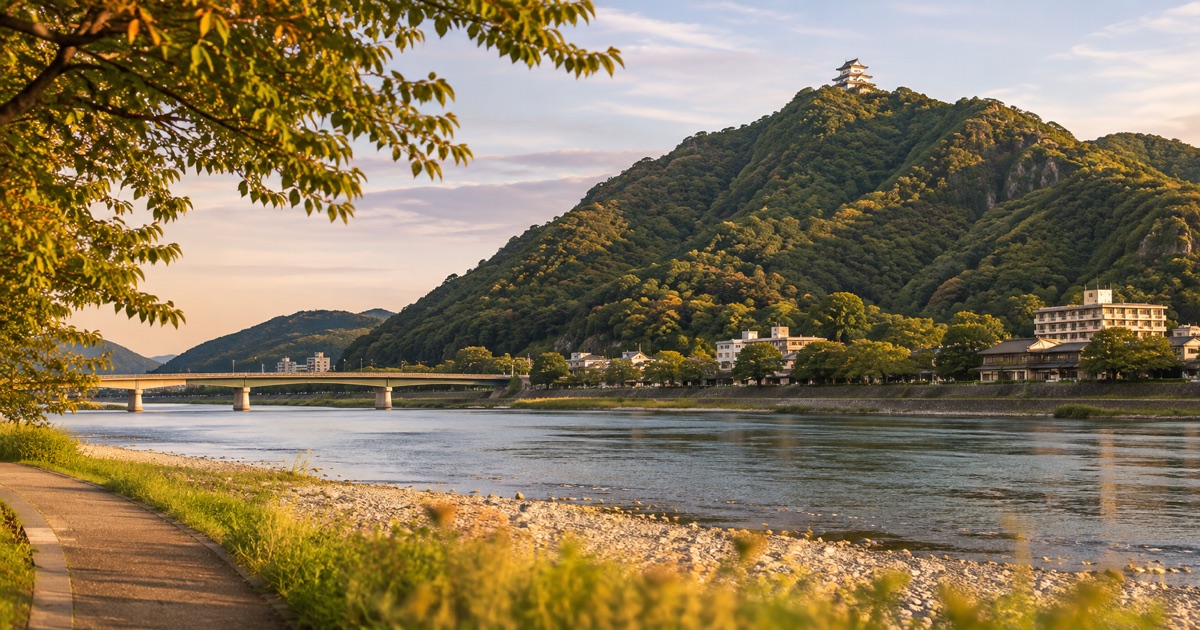
Gifu Castle (岐阜城) sits on top of Mount Kinka (金華山), and it is one of the more memorable castle experiences in central Japan because of the hilltop setting. Families typically reach the summit by ropeway (ropeway station is a walk from JR Gifu Station, reachable by bus or taxi), rather than hiking, especially with small children. Once at the top, there is still a walk and some stairs to reach the castle itself, so a stroller is not practical on the mountain — consider a baby carrier instead if you have an infant or toddler who tires easily.
At the base of the mountain, Gifu Park (岐阜公園) has open lawn areas, a small zoo-like animal corner in some seasons, and enough flat space for toddlers to burn off energy after the ropeway ride. This is a good spot for a packed lunch if you are traveling with a picky eater, since dining options directly in the park are limited.
Nagara River Area
The Nagara River (長良川) runs near the castle and is pleasant for a stroller walk along the promenade, especially in the early evening. Gifu is famous for traditional cormorant fishing (ukai) performances on the river in warmer months, but note that evening boat viewings run late and may not suit very young children's bedtimes — check official event information before booking anything for your family.
Hida Takayama: Old Streets and Local Food
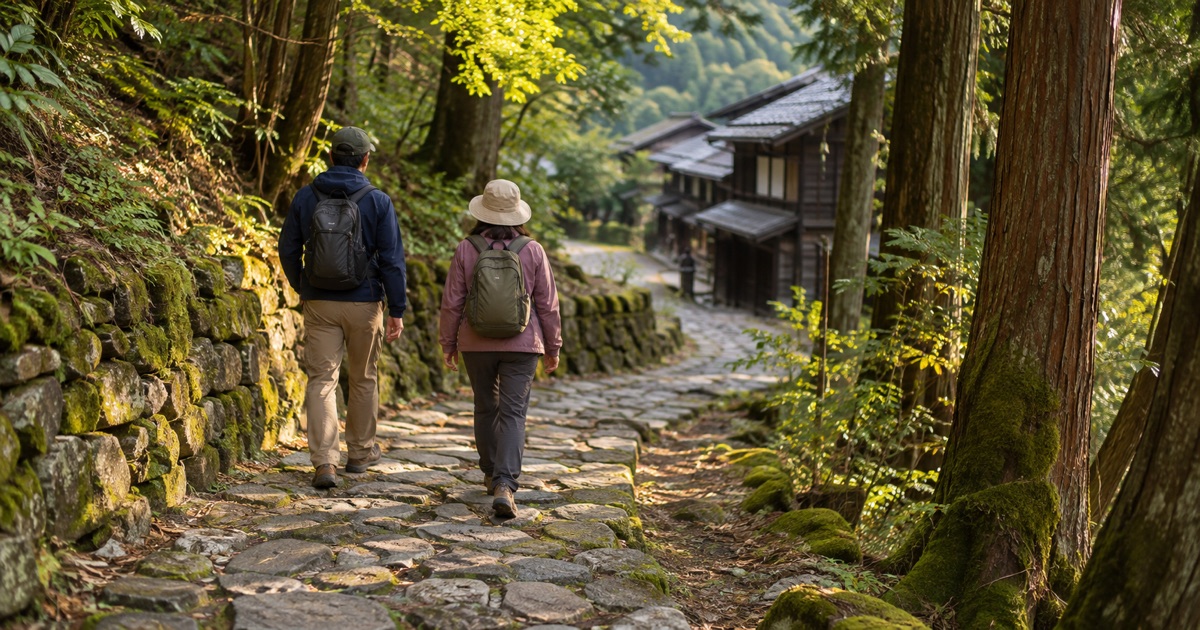
Takayama's old town (古い町並み) is compact and largely flat, which makes it one of the more stroller-friendly historic districts in Japan. Wooden merchant houses, small shops and sake breweries line narrow streets that are easy to wander for an hour or two.
Common parent concerns here:
- Toilets: Public restrooms are available near the main tourist areas and at Takayama Station, generally clean and well-signed.
- Picky eaters: Takayama is known for Hida beef, but you'll also find simple noodle shops, convenience stores, and bakeries if your child wants something familiar.
- Crowds: Weekday mornings are noticeably quieter than weekend afternoons, which matters if you're managing nap schedules or an overtired toddler.
A common mistake first-time visitors make is trying to combine Takayama's old town, the morning markets, and a Shirakawa-go day trip all in one day. With kids, this is usually too rushed — consider spreading it across two days if your schedule allows.
Shirakawa-go: Worth It with Kids?
Shirakawa-go, a UNESCO World Heritage village of steep thatched-roof farmhouses, is a highlight for many families, but it requires some planning. It's typically visited as a bus day trip from Takayama (roughly 50 minutes each way) or sometimes directly from Nagoya (a longer ride, around 2.5 to 3 hours depending on the route).
Things to know before you go:
- Bus seats, especially in peak seasons like autumn foliage or winter illumination events, can sell out in advance — reserve ahead rather than assuming walk-up tickets will be available.
- The village itself involves walking on uneven paths and some gentle slopes, which is manageable for most kids but trickier with a stroller, especially after rain or snow.
- Public toilets exist near the main viewpoint and village entrance, but facilities thin out once you walk further into the farmhouse area.
- Winter visits can mean snow and ice underfoot — proper footwear for kids matters more than style here.
If your children are very young or prone to car/bus sickness, consider whether the round-trip bus time is realistic for your family before booking.
Suggested Pacing for Families
A relaxed approach that many families with young kids find workable:
- Day 1: Arrive via Nagoya, spend the day in Gifu City — castle ropeway in the morning, Gifu Park and riverside in the afternoon.
- Day 2: Train to Takayama, settle in, explore the old town at an easy pace, early dinner.
- Day 3: Day trip to Shirakawa-go by reserved bus, returning to Takayama or heading onward.
This pacing avoids back-to-back travel days and builds in slower mornings, which matters more than most pre-trip itineraries admit once you're actually traveling with a toddler or preschooler.
What to Pack for Gifu with Kids
- A lightweight stroller for Gifu City and Takayama's old town; a carrier for Gifu Castle's hilltop section and parts of Shirakawa-go.
- Snacks and a water bottle, since dining options can be spread out, especially in rural areas.
- Layers — mountain areas like Takayama and Shirakawa-go are noticeably cooler than Nagoya or Gifu City, even in the same season.
- A portable phone charger, useful for train schedule apps and maps when wifi is patchy in rural stretches.
For broader trip planning and official travel information, the Japan National Tourism Organization site is a reliable starting point, and it's worth checking current conditions and any schedule changes before you finalize your Gifu itinerary.
FAQ
- Q. Is Gifu good for families with young children?
- A. Yes, especially Gifu City and Hida Takayama, which have manageable walking distances, clean public toilets and castle parks with open space for kids to run around.
- Q. Do I need a car to visit Gifu with kids?
- A. No, Gifu City, Takayama and Shirakawa-go are all reachable by train and bus, though a car gives more flexibility for nap schedules and rural sightseeing.
- Q. How many days should we spend in Gifu with kids?
- A. A relaxed trip is around 2 to 3 days, allowing one day for Gifu City and one or two for Takayama and Shirakawa-go.
Cite or share this article
Copy the link below. If you quote this article, please link to this page as the source.