Kumamoto with Kids: A Family Travel Guide
Key takeaways
- Kumamoto Castle and Suizenji Jojuen Garden are the two most stroller-friendly, kid-tolerant sights in the city.
- Kumamoto is best reached via Kumamoto Station on the Kyushu Shinkansen, roughly 35-40 minutes from Hakata (Fukuoka).
- Renting a car opens up Aso and Kurokawa Onsen, but families without a car can still enjoy a solid two-day city visit.
Kumamoto with Kids: A Family Travel Guide
Kumamoto is a manageable, castle-town-sized city that works well for families, thanks to its compact center, wide garden paths and a famous castle that most kids find genuinely exciting rather than "just another temple." A visit of two to three days gives you time to see the main sights at toddler pace, with the option to venture out to Aso or Kurokawa Onsen if you have a car.
Kumamoto sits in central Kyushu and is most often reached by Kyushu Shinkansen from Hakata Station in Fukuoka, a ride of roughly 35 to 40 minutes. This makes it realistic as a day trip from Fukuoka, though staying one or two nights lets you move at a slower, kid-friendly pace instead of packing everything into a single day.
Getting to Kumamoto with kids
Most visitors arrive via Kumamoto Station (熊本駅) on the Kyushu Shinkansen, operated by JR Kyushu. If you're coming from Tokyo, Osaka or Kyoto, you'll typically connect through Hakata (Fukuoka) first, then take the shinkansen south. Check current routes and any applicable rail passes on the Japan National Tourism Organization site before you travel, since pass coverage and prices do change.
From Kumamoto Station, the city tram (streetcar) is the easiest way to reach the castle area and downtown hotels. Trams are low-floor in parts but can still be tight with a wide stroller during busy periods — if you're traveling with a stroller, consider a lightweight umbrella stroller for this trip, or be prepared to fold it while boarding.
Common mistake: assuming Kumamoto Station is right in the city center. It isn't — the castle, main shopping arcades and most family-friendly restaurants are a tram ride away, roughly 15–20 minutes, so build that transfer time into your schedule, especially around nap time.
Kumamoto Castle: the must-see with kids
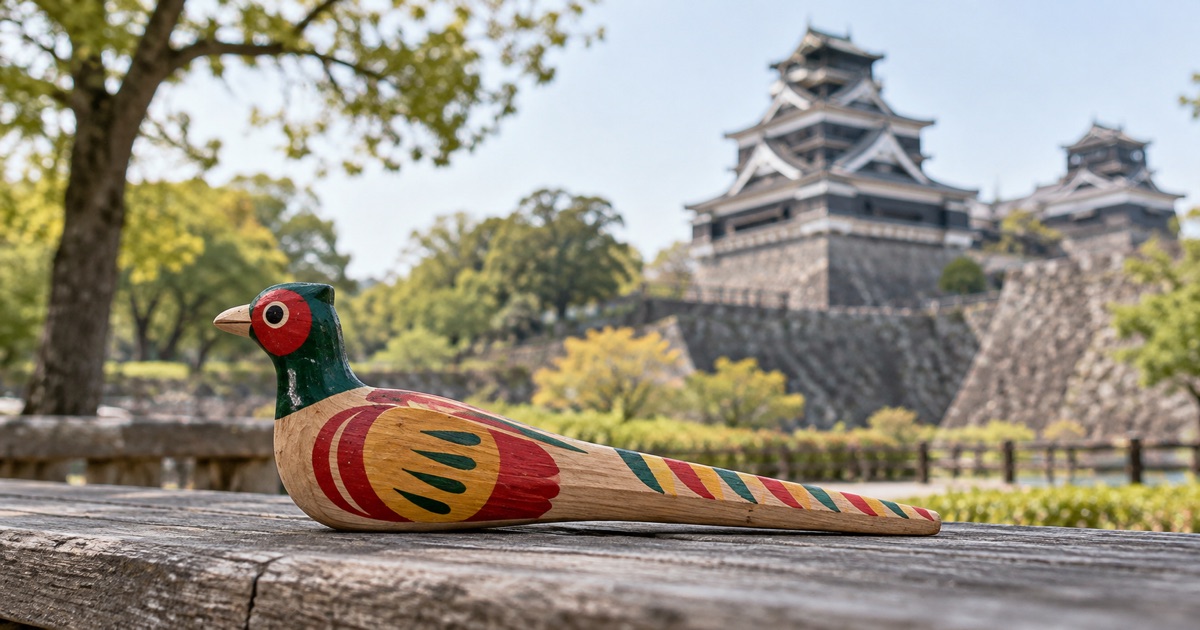
Kumamoto Castle (熊本城) is one of Japan's most famous castles, and its scale impresses even young children who might otherwise find historic buildings boring. The castle underwent major repairs after the 2016 Kumamoto earthquakes, and restoration work in parts of the grounds may still be ongoing in places — check the official Kumamoto Castle information through the city's tourism pages before you go, since access to certain keeps or walkways can change.
The surrounding park has wide paved paths suitable for strollers, plenty of open lawn where restless toddlers can stretch their legs, and benches for a snack break. Inside the castle buildings themselves, expect stairs — carrying a toddler up multiple flights is common, so a soft carrier can be more practical than trying to haul a stroller to the top.
Toilets: there are public restrooms within the castle park area, though lines can build up around midday. Go before you queue for the main keep if anyone in your group is still toilet training.
Suizenji Jojuen Garden
Suizenji Jojuen (水前寺成趣園) is a landscaped strolling garden modeled loosely on the Tokaido highway, with a miniature Mt. Fuji-shaped hill that kids enjoy climbing. The paths are flat gravel and generally stroller-passable, though some sections narrow near ponds, so keep a hand free near the water's edge.
It's a quieter, calmer stop than the castle — a good choice if your kids need a lower-stimulation break mid-trip, or if nap time falls in the early afternoon and you want somewhere pleasant to push a sleeping toddler around rather than sitting in a cafe.
Where to eat with picky eaters
Kumamoto is known regionally for basashi (horse sashimi) and rich tonkotsu-style ramen, neither of which is an obvious hit with younger kids. The good news is that the city's shopping arcades (covered, pedestrian-only, and useful on rainy days) have a wide range of casual restaurants, including family restaurant chains, noodle shops serving plain udon, and bakeries where you can grab something simple if dinner plans fall through.
Practical tip: covered arcades near the castle and downtown tram stops are air-conditioned in summer and dry in rain, making them a reliable fallback if weather or meltdowns disrupt your plans. Carry a few familiar snacks from home anyway, since menus are mostly in Japanese and English signage is inconsistent outside major tourist spots.
Day trips: Aso and Kurokawa Onsen
If you have a rental car, the volcanic landscape around Aso (阿蘇) makes for a dramatic family day out, with grassland, a working caldera and viewing areas. Conditions around the active crater change due to volcanic activity, so always check current access status through official tourism sources before planning this leg — don't assume the crater rim will be open.
Kurokawa Onsen (黒川温泉), a well-known hot spring village, is roughly 1.5 to 2 hours from Kumamoto city by car and is a lovely, old-fashioned onsen town to wander through, even without bathing. Public transport to Kurokawa from Kumamoto is limited and involves bus transfers, so a car (or a tour that includes transport) is the realistic option for most families. If young children aren't up for soaking in communal baths, some facilities offer private family bath options (kashikiri-buro) — availability and age policies vary by establishment, so confirm directly or through official regional tourism information rather than assuming.
Common mistake: underestimating drive times on Kyushu's mountain roads. Google Maps estimates can run optimistic once you factor in stops for a fussy toddler or a sudden "I need the bathroom now."
A simple two-day plan
Day 1: Arrive via shinkansen, check into a hotel near the city center or Kumamoto Station, spend the afternoon at Kumamoto Castle park, dinner in one of the covered arcades.
Day 2: Morning at Suizenji Jojuen Garden, lunch nearby, afternoon exploring the arcades or a relaxed walk back toward the castle area for souvenirs, departure via shinkansen in the evening.
Add a Day 3 only if you have a car and want to head out to Aso or Kurokawa Onsen — trying to combine both the city sights and a day trip into 48 hours usually means rushing nap and meal times, which rarely ends well with small kids.
What to pack
- A compact, foldable stroller rather than a bulky one, for tram boarding and narrower garden paths
- A soft baby carrier as a backup for castle stairs
- Rain gear — Kyushu summers bring sudden downpours, and the covered arcades only shelter part of your route
- A few home-brand snacks in case picky eaters balk at local menus
- Cash — many smaller restaurants and rural facilities near Aso or Kurokawa still prefer cash over card
Kumamoto rewards families who slow down rather than rush between sights. With a flexible two-day base in the city and an optional third day by car, it's a Kyushu stop that holds up well even with a stroller, a napping toddler, or a kid who only wants plain noodles for dinner.
FAQ
- Q. Is Kumamoto a good destination for families with young children?
- A. Yes. The city centre is compact, Kumamoto Castle and Suizenji Garden both have open outdoor space for kids to move around, and the tram system is simple to use with a stroller if you're patient about timing boarding.
- Q. Do we need a car to visit Kumamoto with kids?
- A. Not for the city itself, but a car (or organized tour) makes a big difference if you want to reach Aso's volcanic landscape or Kurokawa Onsen, since public transport options there are limited and infrequent.
- Q. How many days should we plan for Kumamoto with kids?
- A. Two full days covers the castle, garden and city center comfortably without rushing nap times or meals. Add a third day if you plan to go out to Aso or Kurokawa Onsen.
Cite or share this article
Copy the link below. If you quote this article, please link to this page as the source.