Hakodate with Kids in Winter: A Family Travel Guide
Key takeaways
- Hakodate is reachable from Tokyo by Shinkansen plus a transfer, roughly 4-4.5 hours door to door.
- Pack real winter boots with grip, not fashion boots, since sidewalks and slopes get icy and slick.
- Mt. Hakodate's night view gondola gets very cold and windy, so bundle young kids more than you think you need to.
Is Hakodate Good for Kids in Winter?
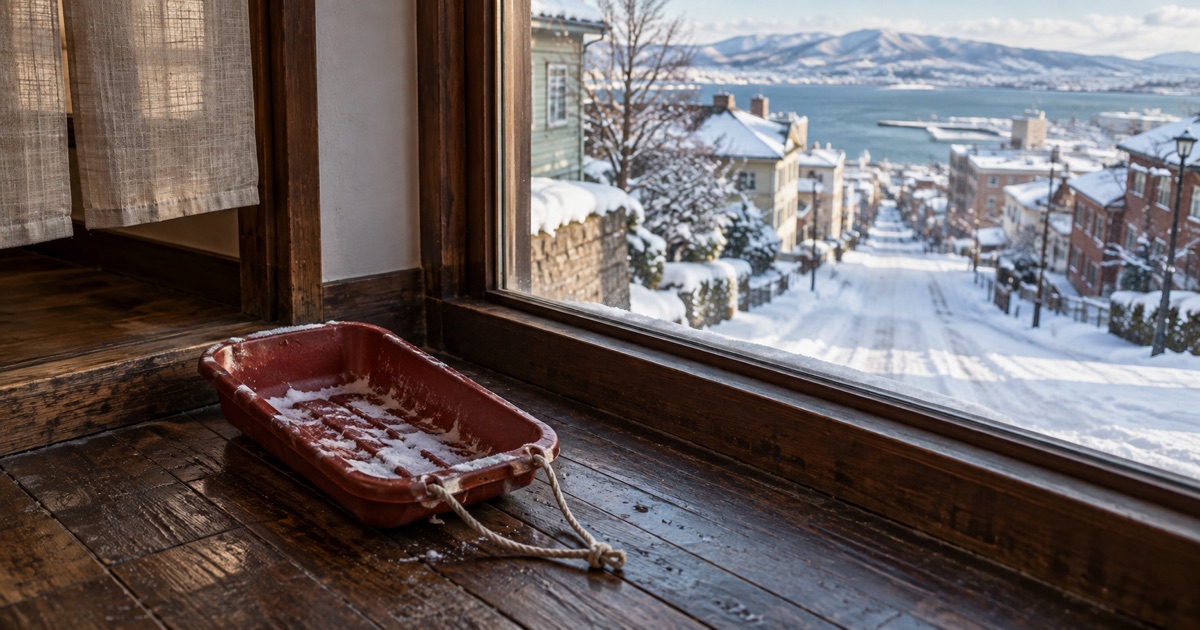
Yes, Hakodate works well as a winter destination for families, as long as you plan around the cold and short daylight hours. The city is compact, the trams and buses are easy to use without a car, and there is a good mix of indoor attractions (warm markets, aquariums, museums) and short outdoor stops (the night view, snowy streets) that suit young children better than a full day of outdoor sightseeing would.
Winter in Hakodate (函館) usually runs from December through March, with the heaviest snow and coldest temperatures in January and February. Daytime highs often hover around or below freezing, and wind off the water can make it feel colder than the number on your phone suggests. None of this rules out a family trip — it just changes how you pack and how you pace the days.
Getting to Hakodate with Kids
Most families traveling from Tokyo take the Tohoku/Hokkaido Shinkansen from Tokyo Station to Shin-Hakodate-Hokuto Station (新函館北斗駅), the nearest Shinkansen stop to the city. The ride itself takes roughly 4 hours, though this varies by train and season, so check current timetables on the JR East website before booking.
From Shin-Hakodate-Hokuto, you'll transfer to a local JR line for the short ride into central Hakodate Station (函館駅), which adds roughly 15-20 minutes. The whole journey, door to door, usually comes to around 4 to 4.5 hours including the transfer, so plan snacks, a change of activity, and possibly a nap window into that stretch if you're traveling with toddlers.
If you're coming from elsewhere in Hokkaido, Hakodate is also reachable by regular limited express trains, and some families fly into Hakodate Airport, which is close to the city center by taxi or bus. Whichever way you arrive, a few common mistakes are worth avoiding: don't assume the Shinkansen goes directly into Hakodate city (it stops at Shin-Hakodate-Hokuto, outside town), and don't cut transfer times too close in winter, since snow can slow things down.
A Note on Strollers and Luggage
Shin-Hakodate-Hokuto Station and Hakodate Station both have elevators, but platforms can be busy at transfer times, and snow tracked indoors makes floors slippery. If your child naps in the stroller, the Shinkansen legs are a good time to let that happen, since local transfers involve more walking and lifting.
We are working to carry Japanese craft and everyday culture beyond Japan, by building Japan Towns with local partners.
Read the Japan Town plan →What to Pack for Hakodate in Winter
This is where many first-time visitors underestimate things. Hakodate's winter is genuinely cold and often windy near the waterfront, so pack for that rather than for a mild Honshu winter.
- Real winter boots with grippy soles — not fashion boots or sneakers. Sidewalks, slopes near Mt. Hakodate, and market entrances get icy and compacted snow is common.
- Warm layers for kids, including a base layer, fleece or wool mid-layer, and a windproof outer layer. Mittens are often warmer than gloves for small hands.
- A hat that covers the ears, plus a scarf or neck warmer — wind chill is noticeable, especially near the harbor and on the Mt. Hakodate ropeway.
- Hand warmers (kairo), widely sold in convenience stores and drugstores in Japan, which are easy to slip into pockets or boots.
- A lightweight rain cover or footmuff for strollers, since wet snow can soak through fabric covers quickly.
If you forget something, convenience stores and drugstores in central Hakodate carry basics like gloves and hand warmers, though selection for small children's sizes may be limited.
Family-Friendly Things to Do in Hakodate in Winter
Mt. Hakodate Night View
The view from Mt. Hakodate (函館山) is one of Japan's well-known night views, and the ropeway up is quick, but it's worth knowing this spot gets cold and windy at the top, often more so than street level. Bundle kids more warmly than you think is necessary, keep the visit relatively short, and check the ropeway's operating schedule in advance, since winter weather can affect service. Details are generally available through local Hakodate tourism information, and it's worth confirming conditions on the day.
Hakodate Morning Market
Hakodate Morning Market (函館朝市), near Hakodate Station, is indoors and roofed in most sections, which makes it a practical stop on a cold day. It's a good place for families to try fresh seafood, and many stalls offer smaller or simpler items like grilled seafood skewers or rice bowls that can work even for picky eaters who aren't ready for raw seafood. Go earlier in the day, as some stalls close by early-to-mid afternoon, and expect a lot of walking between narrow stalls, which can be tricky with a wide stroller.
Warm Indoor Stops
On especially cold or snowy days, build in indoor breaks. Hakodate has museums, shopping arcades, and cafes where you can warm up, feed a baby, or let toddlers run off energy without fighting the wind. Staff at your accommodation can usually point you toward the nearest options for the day's weather.
Snow Play, Carefully
Kids often love the novelty of snow, and Hakodate's streets and parks offer plenty of it in winter. Keep playtime short in very cold weather, watch for ice patches rather than soft snow, and bring a spare set of dry mittens, since wet gloves are a fast route to a cold, unhappy child.
Toilets, Naps, and Pacing a Day with Kids
Japanese train stations, department stores, and convenience stores generally have clean, accessible toilets, and many have baby-changing facilities — department stores near Hakodate Station are a reliable bet. Because winter days are short and the cold tires kids out faster than they realize, it helps to plan one indoor "reset" stop every couple of hours rather than pushing through a packed itinerary.
For naps, the train journey itself (especially the Shinkansen leg) is often the easiest nap window of the day. Locally, taxis are a reasonable backup if a tired toddler refuses to walk further in the cold, and Hakodate's compact center means taxi rides within the city are usually short.
Planning Ahead
Because opening hours, ropeway schedules, and market stall hours can change seasonally — and sometimes due to weather — always check current information before you go. For general trip planning and official updates, the Japan National Tourism Organization website is a reliable starting point, and it's worth checking Hakodate-specific tourism information closer to your travel dates for winter-specific notices.
With the right layers, a flexible pace, and a few indoor fallback options built into each day, Hakodate's snowy season can be a genuinely memorable — if cold — family trip.
FAQ
- Q. Is Hakodate good for kids in winter, or is it too cold?
- A. Hakodate works well for families in winter if you dress for it properly; indoor attractions, warm seafood markets, and short outdoor stops balance out the cold for young kids.
- Q. How do we get to Hakodate from Tokyo with young children?
- A. Most families take the Tohoku/Hokkaido Shinkansen from Tokyo Station to Shin-Hakodate-Hokuto Station, then a local train into central Hakodate, roughly 4 to 4.5 hours total including the transfer.
- Q. Do we need a car to see Hakodate with kids?
- A. No. Central Hakodate is compact and served by trams and buses, which is often easier than a car in snowy, icy conditions.
Cite or share this article
Copy the link below. If you quote this article, please link to this page as the source.