Visiting Hiroshima with Kids: Practical Family Guide
Key takeaways
- Hiroshima Peace Memorial Park is stroller-friendly, but the main museum can be emotionally intense for young children.
- Take the tram or ferry easily, but keep paper tickets and transit IC cards ready for swift boarding with kids.
- Miyajima is an easy day trip, though you must guard snacks and stroller baskets from the island's free-roaming wild deer.
Visiting Hiroshima with kids is a deeply rewarding, accessible family trip that balances meaningful modern history with scenic island adventures. The city is flat, exceptionally easy to navigate using trams and ferries, and far less crowded than Tokyo or Kyoto, making it a gentle stop for families traveling with little ones.
Planning a family visit to Hiroshima (広島) requires a bit of practical balance, particularly when introducing sensitive historical topics to younger minds while keeping daily logistics like naps, stroller access, and food meltdowns smoothly managed.
How to Get to Hiroshima with Children
Hiroshima sits along the Sanyo Shinkansen line, making it a direct bullet train ride from major hubs in western and central Japan.
- From Shin-Osaka Station (新大阪駅): Around 1 hour 25 minutes on the Nozomi or Sakura bullet train.
- From Kyoto Station (京都駅): Around 1 hour 40 minutes on direct Shinkansen runs.
- From Tokyo Station (東京駅): Around 4 hours on the fastest Nozomi services.
When traveling on the Shinkansen with strollers and bulky luggage, reserve seats in the last row of the carriage. This grants you access to the designated oversized baggage space behind your seat, allowing you to fold your stroller and tuck it away without blocking the aisles. For route planning and rail pass eligibility, verify current guidelines through JR West.
Navigating Hiroshima: Trams, Strollers, and Transit
Once you arrive at Hiroshima Station (広島駅), the primary mode of urban transport is the streetcar network, known locally as the Hiroden (広電).
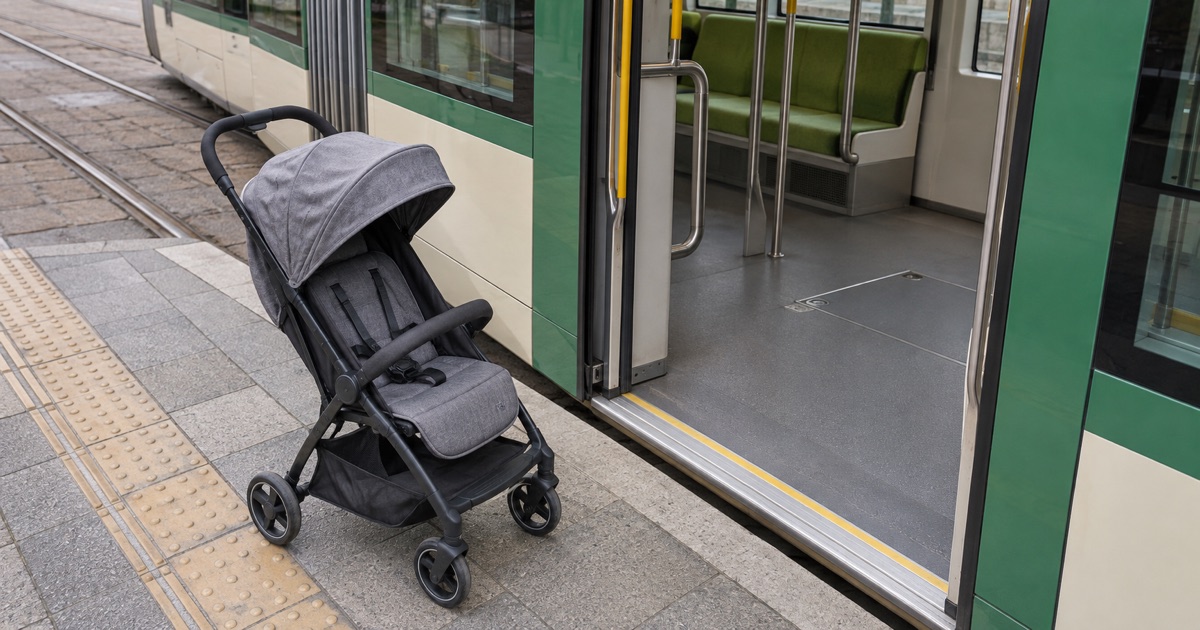
Hiroden operates a mix of historic, single-car vintage trams with high boarding steps, and sleek, multi-car modern trams (known as Green Movers) that feature low floors and level boarding.
Stroller Tips for the Tram
- Vintage trams: You must fold your stroller before boarding, as steps are steep and doorways are narrow. Keep toddlers close by the hand.
- Low-floor Green Movers: You can often wheel a stroller straight aboard through the wide middle doors during off-peak times. During morning and evening rush hours, folding the stroller is expected courtesy to ensure passenger room.
- Payment: Major transit IC cards (Suica, Pasmo, Icoca) work on all Hiroden trams. Tap your card at the reader when getting off, or pay the driver with cash change. Children under 6 ride free with a fare-paying adult on public transport in Japan.
We are working to carry Japanese craft and everyday culture beyond Japan, by building Japan Towns with local partners.
Read the Japan Town plan →Hiroshima Peace Memorial Park with Kids
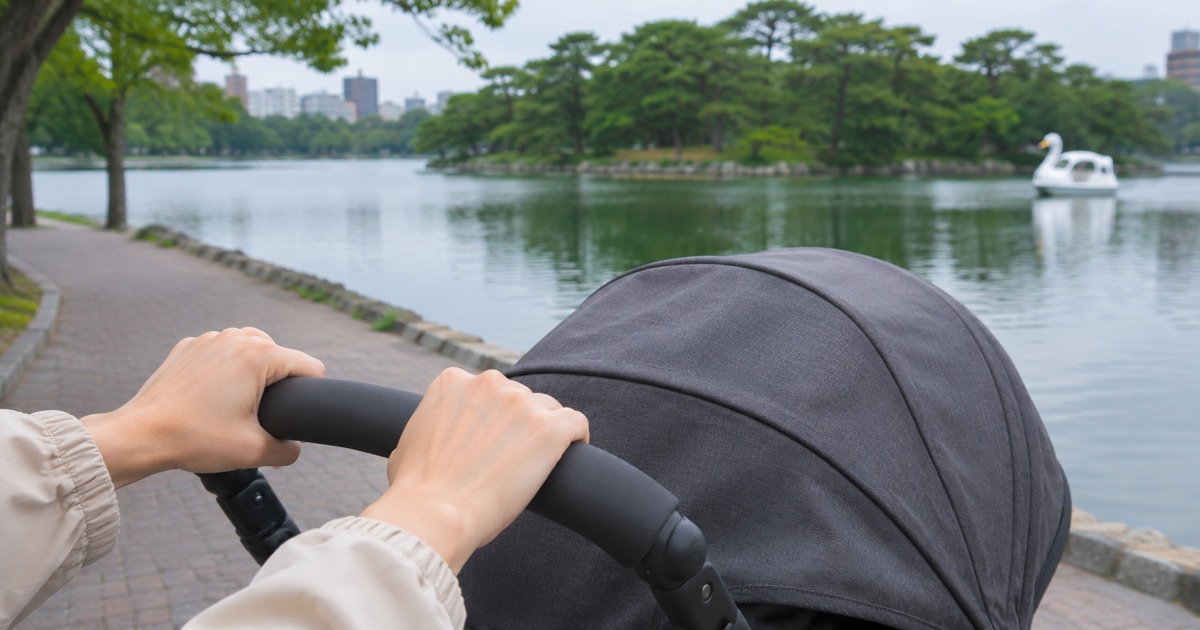
The Peace Memorial Park (平和記念公園, Heiwa Kinen Kōen) is located between two rivers in the center of the city. It is wide, pedestrianized, and completely stroller-accessible, featuring paved paths, park benches, and plenty of green space where restless toddlers can stretch their legs safely away from traffic.
Visiting the Outdoor Monuments
The outdoor monuments are the best entry point for families traveling with younger children:
- The Atomic Bomb Dome (原爆ドーム): Viewable from open riverside walkways, offering a tangible look at history without overwhelming graphic detail.
- The Children’s Peace Monument (原爆の子の子供の像): Dedicated to Sadako Sasaki, this monument is flanked by glass display boxes filled with thousands of vibrant paper cranes sent by schools across the globe. Children often connect deeply with this story and enjoy seeing the colorful displays.
- Restrooms and Facilities: The park grounds have multiple public restrooms with diaper changing tables, and the nearby Hiroshima Rest House features nursing rooms, elevators, and air conditioning for mid-day rests.
Hiroshima Peace Memorial Museum: A Parent's Guide
The Peace Memorial Museum (広島平和記念資料館) houses crucial historical records, but parents must make an informed call based on their children's ages.
The museum's east building provides an objective historical background, while the main building displays personal artifacts, charred remnants of clothing, and graphic paintings or photographs depicting severe burns and injuries.
- Under 8 years: Many parents opt to do a "baby swap," where one parent tours the museum while the other stays in the spacious outdoor park, then trade off.
- Ages 8 to 12: Prepare them ahead of time. Inform them that some items may feel sad or startling, and that you can exit to the museum lobby at any time.
- Museum amenities: Coin lockers and stroller parking are available inside the entrance lobby. Note that ticket queues can stretch outdoors during holidays, so check opening hours and advance ticket options online via official municipal tourism resources like the Japan National Tourism Organization.
Day Trip to Miyajima (Itsukushima)
Located just southwest of the city, Miyajima (宮島) is a highlight for children. Famous for Itsukushima Shrine (厳島神社) and its floating vermilion torii gate, the island also offers forest trails, ropeways, and sandy shorelines.
Getting to Miyajima
- Take the JR Sanyo Line train from Hiroshima Station to Miyajimaguchi Station (宮島口駅), which takes around 30 minutes.
- Walk 3 minutes from the station to the ferry terminal.
- Board either the JR West Ferry or the Matsudai Ferry for the 10-minute crossing. Both ferries accommodate unfolded strollers and feature indoor, air-conditioned seating as well as breezy open decks.
The Miyajima Deer: Safety for Little Travelers
Wild sika deer roam freely across the island. While they are accustomed to humans, they are not domestic pets:
- Keep paper out of reach: Deer will nip at stroller baskets, maps, train tickets, and paper bags. Keep receipts, pamphlets, and trash tucked inside zipped compartments.
- No feeding: Feeding the deer is prohibited to maintain their health and wild habits.
- Toddler spacing: Deer can be pushy if they smell food. Avoid giving your toddler open street snacks while walking near the ferry pier or main waterfront.
Low Tide vs. High Tide
At high tide, the torii gate appears to float on the water. At low tide, the water recedes completely, allowing visitors to walk across the damp sand directly up to the base of the massive wooden pillars. Toddlers love splashing in the small tidal pools and spotting tiny crabs, so carrying wet wipes and a spare change of socks or shoes in your daypack is a lifesaver.
Child-Friendly Food in Hiroshima
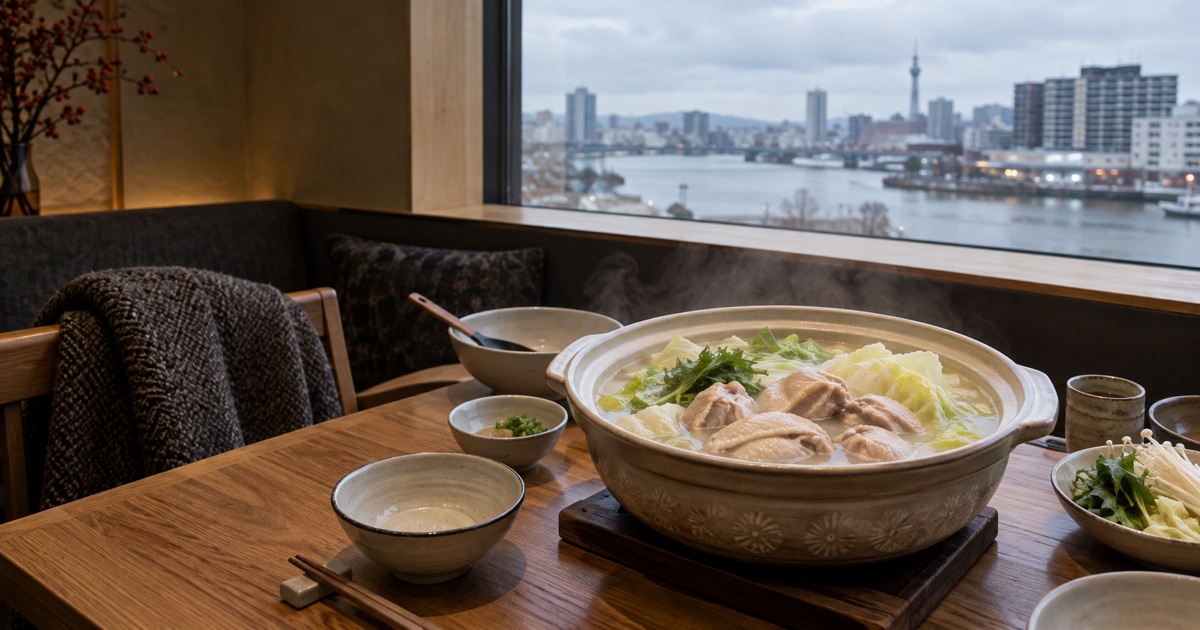
Hiroshima’s signature dish is Hiroshima-style Okonomiyaki (広島風お好み焼き), a savory cabbage pancake layered with batter, yakisoba noodles, pork slices, fried egg, and sweet-savory brown sauce.
How to Eat Okonomiyaki with Children
Traditional okonomiyaki shops are tiny counters centered around a blazing-hot flat-top griddle (teppan). These counter-only spots can be hazardous for grabby toddler hands.
Instead, look for larger restaurants—such as those located inside the Hiroshima Station building (Ekie) or multi-floor food destinations like Okonomimura (お好み村)—that offer dedicated four-person table seating. These tables often have built-in warmers that staff can turn off completely upon request, allowing your family to eat from standard ceramic plates safely away from hot steel.
Ordering adaptations for picky eaters:
- Ask for toppings on the side (sauce betsu de / ソース別で).
- Omit green onions (negi nashi / ネギなし).
- Request cheese or extra noodles inside the layers to make it familiar and filling for young palates.
For emergencies, Hiroshima Station and downtown department store basements (depachika) offer wide selections of fresh fruit, mild rice balls (onigiri), bread rolls, and steamed sweet potatoes.
Practical Family Travel Checklist
- Baby Supplies: Diapers (omutsu) and formula can be bought at downtown pharmacies (such as Matsumoto Kiyoshi) or large electronics retail floors like Bic Camera near Hiroshima Station.
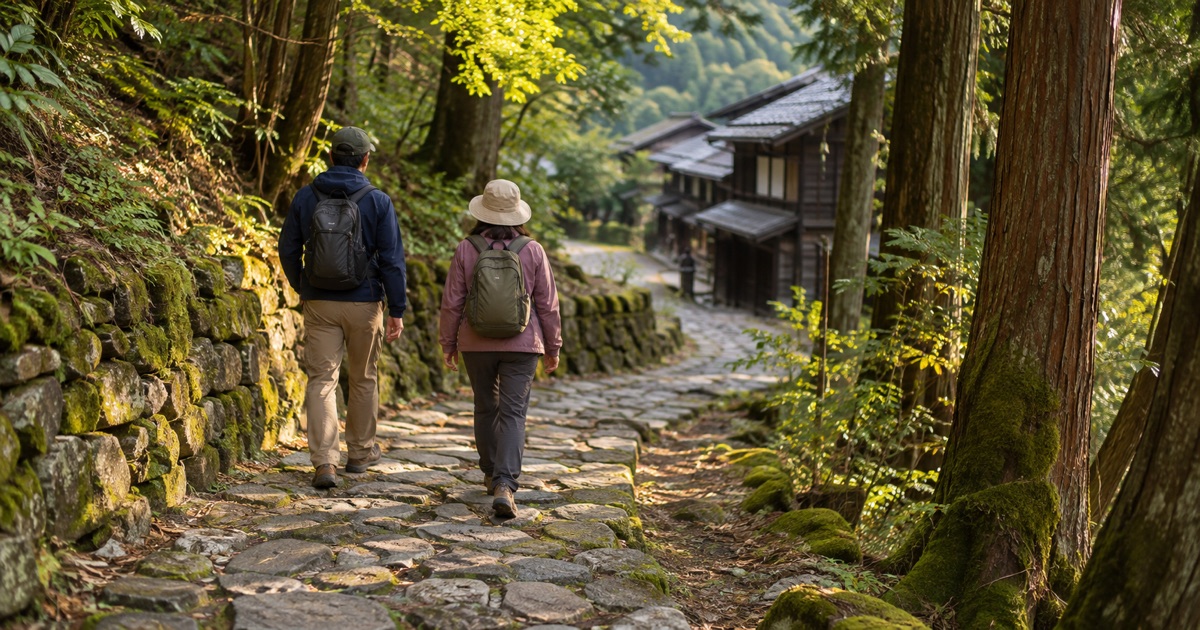
- Footwear: You will walk multiple miles between park grounds and Miyajima’s paths. Comfortable walking shoes for the entire family are essential.
- Sun Protection: The Peace Memorial Park and Miyajima waterfront have long open stretches with minimal tree shade. Bring hats, sunscreen, and stroller sunshades during warmer months.
FAQ
- Q. Is the Hiroshima Peace Memorial Museum suitable for young children?
- A. The outdoor park and Children's Peace Monument are gentle and spacious, but the interior museum exhibits contain graphic imagery of burns and severe devastation that may upset sensitive or younger children.
- Q. Can you take a stroller on the Miyajima ferry?
- A. Yes, roll-on access is straightforward on the ferries operating from Miyajimaguchi, and paths along the shrine waterfront are mostly paved and flat.
- Q. What can picky eaters eat in Hiroshima?
- A. Hiroshima-style okonomiyaki includes noodles, egg, and mild savory sauce, but you can request modifications like no cabbage, extra noodles, or sauce on the side at many family-friendly counter or table restaurants.
Cite or share this article
Copy the link below. If you quote this article, please link to this page as the source.