Is Fukushima Worth Visiting? A Family Travel Guide
Key takeaways
- Yes, Fukushima is worth visiting for quiet historic towns, uncrowded fruit picking, and scenic nature just 90 minutes from Tokyo.
- Rebuilt infrastructure and wide open outdoor parks make traveling with strollers and young children remarkably relaxed.
- Radiation levels across major tourist corridors like Aizu-Wakamatsu and Bandai are comparable to other major global cities.
Yes, Fukushima is definitely worth visiting, especially for families looking to escape the dense crowds of Tokyo and Kyoto. Located less than 90 minutes from Tokyo by bullet train, the prefecture offers pristine mountain scenery, rich samurai heritage, gentle lakeside walks, and world-class fruit orchards that are exceptionally welcoming for travelers with young children.
Despite lingering misconceptions following the 2011 natural disaster and nuclear incident, the vast majority of Fukushima Prefecture—including all major tourist destinations—is completely open, thriving, and safe. For parents traveling with strollers and small kids, Fukushima delivers wide pedestrian pathways, uncrowded trains, and a genuinely relaxed pace that busier destinations cannot match.
Why Fukushima Is Worth Visiting with Kids
Japan's Golden Route between Tokyo, Kyoto, and Osaka is magical, but it can be exhausting with a stroller or toddlers in tow. Narrow sidewalks, packed subway platforms, and long waits for family-friendly tables wear down parents quickly. Fukushima offers the complete opposite experience.
Here is what makes Fukushima stand out for family travel:
- Breathe-easy space: Wide walkways, uncrowded train cars, and expansive outdoor parks give toddlers room to move without parents stressing over bumping into crowds.
- Short travel time: High-speed bullet trains get you out of central Tokyo and into Fukushima's peaceful countryside in well under two hours.
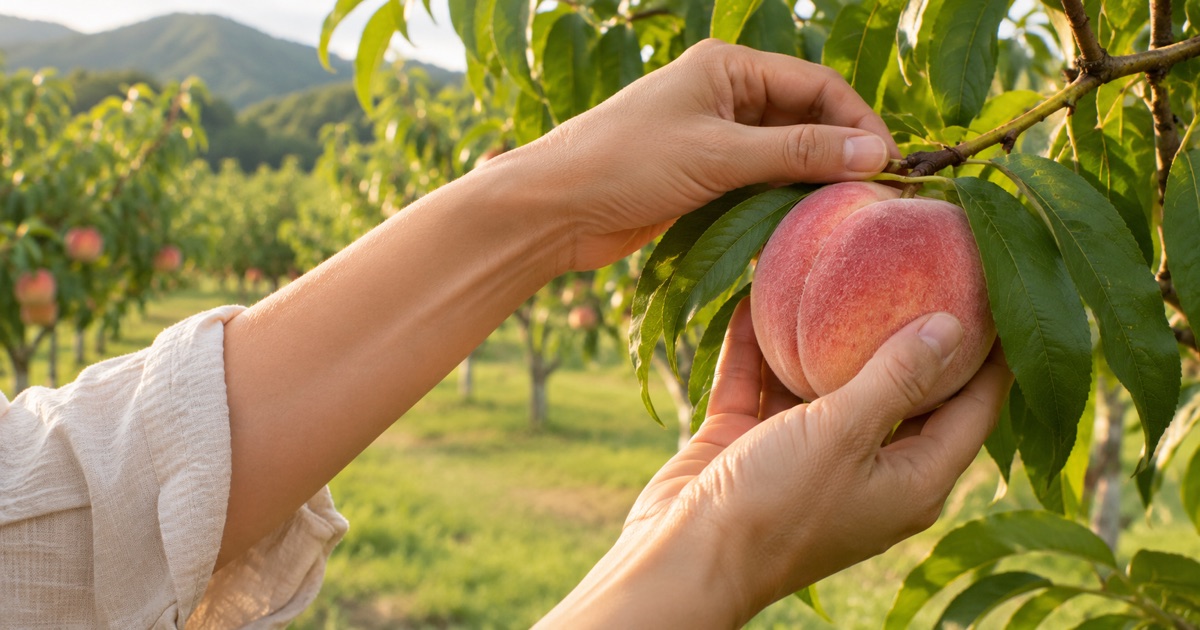
- Hands-on fun: From painting wooden red cows (akabeko) to picking fresh seasonal fruit straight from the branch, activities here naturally engage young minds.
- Authentic history: Historic samurai towns like Aizu-Wakamatsu offer rich culture without the massive bus tour groups common in other ancient capitals.
Safety and Radiation: What Parents Need to Know
The most common hesitation families have about visiting Fukushima stems from the 2011 Great East Japan Earthquake and subsequent incident at the Fukushima Daiichi Nuclear Power Station on the Pacific coast.
It helps to understand the geography. Fukushima is Japan's third-largest prefecture by land area, divided into three distinct regions separated by mountain ranges: Hamadori (the coastal strip), Nakadori (the central corridor where the bullet train runs), and Aizudori (the mountainous west).
The primary tourist areas—such as Aizu-Wakamatsu (会津若松), Lake Inawashiro (猪苗代湖), and the Urabandai (裏磐梯) highlands—are located between 80 and 150 kilometers west of the coastal plant, shielded by massive mountain ranges. Radiation levels in these tourist destinations are consistently monitored by authorities and are on par with natural background levels found in cities like London, New York, Tokyo, and Paris.
Fukushima's agricultural and tap water products are subjected to rigorous multi-stage safety screenings before entering the market. For real-time monitoring maps and regional information, travelers can consult the Japan National Tourism Organization portal.
We are working to carry Japanese craft and everyday culture beyond Japan, by building Japan Towns with local partners.
Read the Japan Town plan →Top Family-Friendly Spots in Fukushima
1. Aizu-Wakamatsu: Castles and Samurai Crafts
The historic heart of western Fukushima is Aizu-Wakamatsu. The town center is anchored by Tsuruga Castle (鶴ヶ城, Tsuruga-jo), a striking white fortress surrounded by a sprawling public park.
The castle grounds feature wide, flat gravel paths that are manageable with a sturdy stroller, along with plenty of grassy spots under cherry and maple trees where babies can take a nap or toddlers can run safely. Inside the castle keep, displays chronicle the local samurai history (note that you may need to carry smaller children up the interior stairs).
In town, stop by a local craft shop to paint an akabeko (赤べこ), the traditional red papier-mâché cow with a bobbing head that has served as a children's talisman of good health for centuries. Even preschool-aged children enjoy using paint pens to add custom white-and-black spots to their own wooden or paper toy cow.
2. Ouchi-juku: Step into the Edo Period
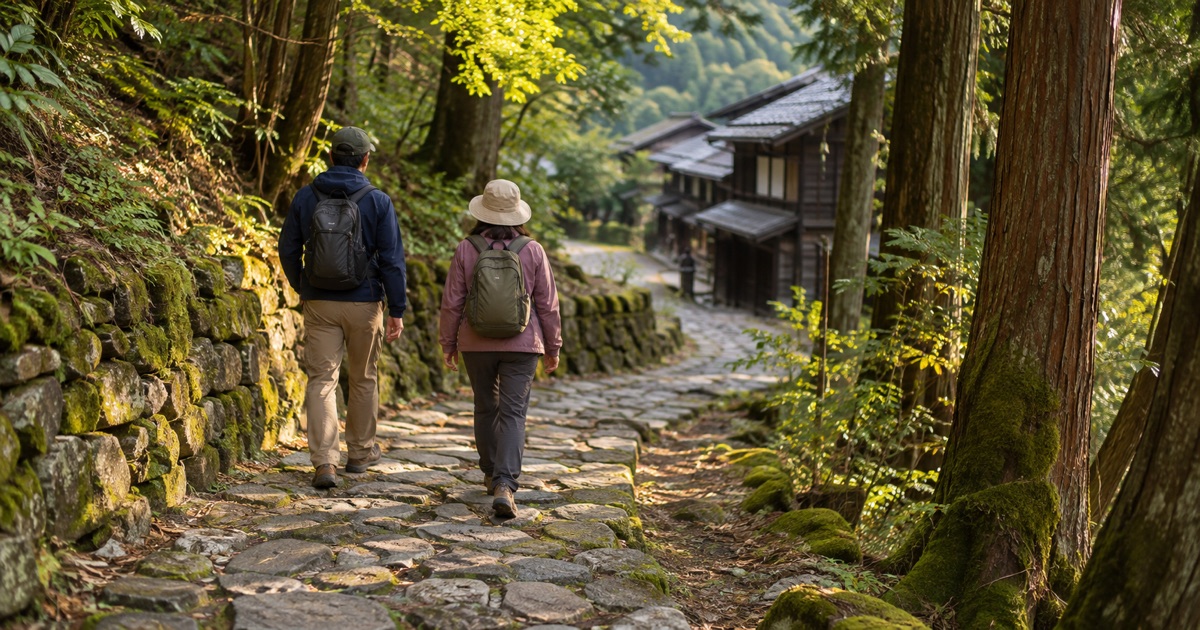
Nestled in a mountain valley south of Aizu, Ouchi-juku (大内宿) is a preserved post town from the Edo period lined with traditional thatched-roof buildings. The main unpaved thoroughfare is car-free, giving parents peace of mind while walking with small children.
Clear mountain water flows through small stone channels along both sides of the street, where local shops chill seasonal fruits and drinks during warmer months. While the gravel surface requires a little extra effort with an ultra-light umbrella stroller, an all-terrain stroller handles it easily. Sample warm grilled rice balls (shingoro) slathered in sweet miso paste, an easy-to-eat snack for picky toddlers.
3. Lake Inawashiro and the Goshiki-numa Ponds
For outdoor exploration, the area around Mount Bandai (磐梯山) offers gentle natural wonders. Lake Inawashiro is one of Japan's largest freshwater lakes, featuring sandy shorelines that feel like calm, wave-free beaches where little ones can splash safely during summer months. In winter, hundreds of migratory wild swans settle along the northern shores.
Nearby in Urabandai, the Goshiki-numa Ponds (五色沼, Five Colored Lakes) offer short, scenic walking trails through forested volcanic landscapes. The mineral-rich lakes shift between brilliant shades of cobalt blue, emerald green, and turquoise. The main trail section near the Urabandai Visitor Center has flat boardwalk segments that work well for carrier-assisted walks with infants.
4. Fruit Picking Orchards Along the Nakadori Corridor
Fukushima is widely celebrated across Japan as the "Kingdom of Fruit." The Nakadori plain around Fukushima City features dozens of sprawling family-run orchards open to visitors.
Depending on the season, families can pay a modest entry fee (typically around 1,000 to 2,000 JPY per person, with discounted or free rates for toddlers) for all-you-can-eat fruit picking directly from the trees:
- Cherries: Early June to early July
- Peaches: Mid-July to early September
- Grapes and Pears: September to October
- Apples: Late October to early December
The orchards are generally flat, spacious, and very welcoming to families with young children who might struggle in traditional restaurants. Always check individual farm opening status before setting out, as harvest windows shift slightly with the weather.
Getting There and Getting Around
Fukushima is surprisingly simple to access using Japan's public transit network.
Train Travel
From Tokyo Station, board the Tohoku Shinkansen operated by JR East.
- To Koriyama Station (郡山駅): Roughly 75 to 80 minutes. Koriyama acts as the central transit junction for trains heading west toward Lake Inawashiro and Aizu-Wakamatsu.
- To Fukushima Station (福島駅): Roughly 85 to 95 minutes, serving the fruit orchards and northern valley.
The Shinkansen makes traveling with babies effortless: cars feature wide aisles, changing tables in oversized accessible restrooms, and dedicated luggage space behind the rear seats that fits folded strollers.
Local Transit vs. Car Rental
While the bullet train gets you to Fukushima quickly, regional transport varies:
- Aizu-Wakamatsu city: You can easily navigate between the station, castle, and craft workshops using the local sightseeing loop bus (Aizu Loop Bus).
- Lakes, Nature, and Orchards: Renting a car from an outlet right outside Koriyama or Fukushima Station is strongly recommended for families. Driving along the Bandai-Azuma Skyline and around Lake Inawashiro is straightforward, roads are wide, parking is abundant and often free, and a rental car allows you to manage diaper changes and naps on your family's own timetable.
Practical Family Travel Checklist
To ensure a smooth trip, keep these practical points in mind:
- Stroller Choice: Bring a compact stroller with decent wheels. Castle grounds and post towns like Ouchi-juku have compacted gravel pathways that can bog down flimsy, tiny plastic wheels.
- Baby Changing: Bullet trains and major stations have pristine multi-purpose restrooms (dare-demo-toire). In smaller countryside villages, changing tables are less frequent; pack a portable changing mat.
- Baby Food & Supplies: Major drugstores and grocery stores near Koriyama and Aizu-Wakamatsu stations stock formula, diapers, and pouches, but rural convenience stores carry very limited infant supplies. Pack what you need for day trips into the mountains.
- Cash is Essential: While urban stations accept credit and IC cards (like Suica or Pasmo), rural roadside stands, fruit orchards, and craft studios often operate cash-only. Keep 10,000 to 20,000 JPY in cash handy.
- Seasonal Layers: Fukushima's mountainous regions sit at higher elevation than Tokyo and get noticeably cooler, particularly in the morning and evening. Bring packable windbreakers or fleece layers for the kids in spring and autumn.
FAQ
- Q. Is Fukushima safe to visit with children?
- A. Yes, tourist areas such as Aizu-Wakamatsu, Lake Inawashiro, and Urabandai are located far west of the evacuation zone, and radiation levels in these areas are thoroughly monitored and on par with major international cities.
- Q. How long does it take to get to Fukushima from Tokyo?
- A. The Tohoku Shinkansen bullet train reaches Koriyama Station in roughly 75 to 80 minutes, or Fukushima Station in around 90 minutes, making it very accessible for families.
- Q. What is the best season to visit Fukushima with kids?
- A. Autumn offers brilliant foliage around Mount Bandai, while spring and summer provide excellent orchard fruit picking and pleasant lakeside walks that work well with strollers.
Cite or share this article
Copy the link below. If you quote this article, please link to this page as the source.