Nikko with Kids: Complete Family Day Trip and Overnight Guide
Key takeaways
- Tobu Railway's Spacia X offers private family compartments directly from Asakusa to Nikko in roughly two hours.
- The World Heritage shrine area has extensive stone stairs, making baby carriers far better than strollers for toddlers.
- Edo Wonderland and Tobu World Square in Kinugawa Onsen provide wide, stroller-accessible spaces and hands-on fun for kids.
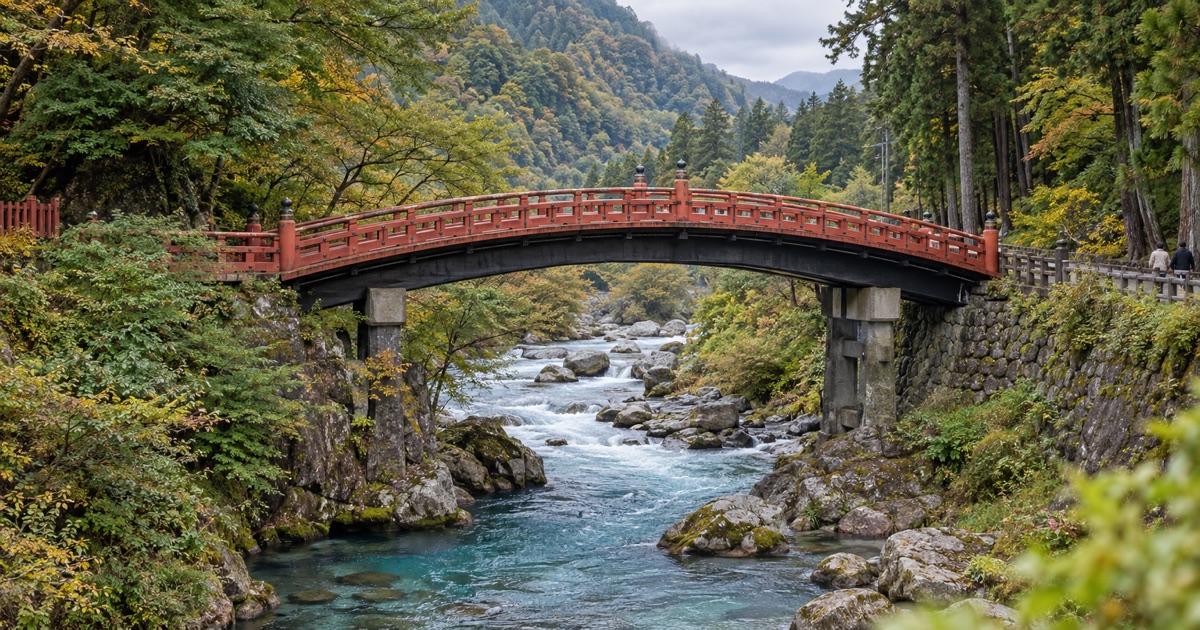
Visiting Nikko with kids is one of the most rewarding mountain escapes from Tokyo, offering ornate UNESCO shrines, cascading waterfalls, and immersive heritage parks within roughly two hours of the capital. Families can comfortably explore the area as a day trip or an overnight getaway, provided you plan around steep stone staircases and mountain bus schedules.
With towering cedar groves, dramatic lake views, and interactive cultural villages nearby, Nikko (日光) appeals to both energetic children and history-loving parents. However, navigating centuries-old shrine paths with small wheels requires practical preparation. This guide outlines how to reach Nikko, what to pack, which attractions suit specific age groups, and how to keep young travelers rested and fed.
How to Get to Nikko from Tokyo with Children
Traveling to Nikko from Tokyo is straightforward thanks to direct rail connections. Depending on where your hotel is located in Tokyo, you have two primary transit choices.
The Tobu Railway Route (Recommended for Families)
The Tobu Railway service running from Asakusa Station (浅草駅) directly to Tobu-Nikko Station (東武日光駅) is generally the most convenient route for families.
- Train Types: Tobu operates limited express services such as the Revaty and the Spacia X. Travel time runs between roughly one hour and 50 minutes to two hours and 10 minutes.
- Family Perks: The newer Spacia X includes semi-private box seats and private compartments. These compartments allow parents to nurse babies, manage restless toddlers, and unpack snacks without worrying about disturbing nearby passengers.
- Ticketing and Passes: Tobu offers regional tourist passes covering train and local bus transportation. You can review route options and book seats through the official Tobu Railway portal. Seat reservations are mandatory on limited express services.
The JR East Route (For Rail Pass Holders)
If your family holds an active national or regional rail pass, traveling via Japan Railways makes economic sense.
- Take the Tohoku Shinkansen from Tokyo Station (東京駅) or Ueno Station (上野駅) to Utsunomiya Station (宇都宮駅), which takes about 50 minutes.
- Transfer at Utsunomiya to the local JR Nikko Line, arriving at JR Nikko Station (日光駅) in roughly 45 minutes.
- Check schedules and route details via JR East before your morning departure, as local connecting trains run less frequently than Shinkansen lines.
The two Nikko terminals—Tobu-Nikko Station and JR Nikko Station—sit only a five-minute walk apart, and both feature tourist information counters, coin lockers, and bus boarding zones.
Stroller vs. Baby Carrier: What to Bring
Deciding whether to pack a stroller or a baby carrier for Nikko depends entirely on the sights on your itinerary.
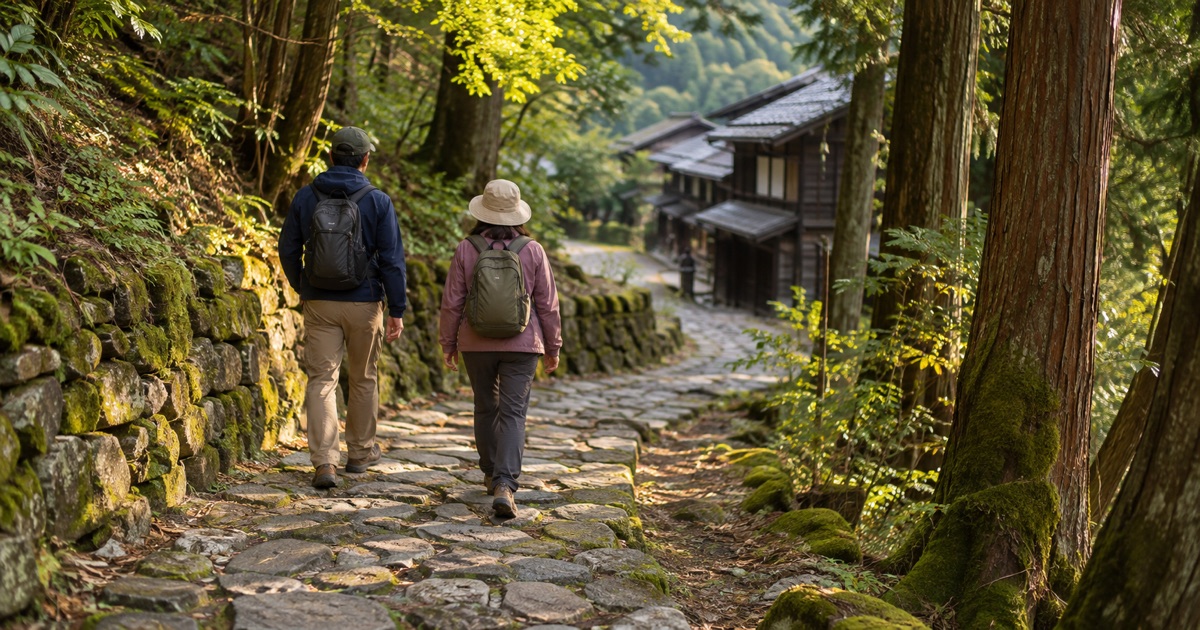
At the main World Heritage shrine and temple zone, leave the stroller behind. Sites like Nikko Toshogu (日光東照宮) and Rinno-ji (輪王寺) sit on forested hillsides laced with gravel paths and high, irregular stone steps. Pushing an umbrella stroller here is nearly impossible, and maneuvering a full-sized stroller will require one adult to carry the frame constantly. Bring an ergonomic baby carrier or sling for infants and toddlers when touring the central shrine precinct.
Strollers are welcome, however, at the themed attractions in nearby Kinugawa, such as Tobu World Square and Edo Wonderland. These parks feature wide, paved walking paths and step-free access throughout the grounds. If you want a stroller for transit days, consider storing it in a coin locker at Tobu-Nikko Station while visiting the shrines, then retrieving it before heading to your hotel.
We are working to carry Japanese craft and everyday culture beyond Japan, by building Japan Towns with local partners.
Read the Japan Town plan →Top Things to Do in Nikko with Kids
Nikko divides broadly into three areas: the central World Heritage shrine zone, the high-altitude Lake Chuzenji nature zone, and the Kinugawa family amusement area.
1. Nikko Toshogu Shrine (日光東照宮)
The centerpiece of Nikko's history, Toshogu Shrine is the resting place of Tokugawa Ieyasu. Unlike the muted cedar wood typical of many Japanese shrines, Toshogu is ablaze with gold leaf, vivid pigments, and intricate wood carvings.
- Kid Highlights: Children love hunting for the famous animal carvings. Look out for the "Three Wise Monkeys" (hear no evil, speak no evil, see no evil) and the "Sleeping Cat" (Nemuri-neko).
- Parent Practicalities: The climb up to the inner tomb involves roughly 200 stone steps through the forest. It can be slippery when wet, so ensure children wear shoes with good tread. Nursing rooms are not available within the historic structures, but modern public restrooms sit near the entrance ticket gates.
2. Edo Wonderland Nikko Edomura (江戸ワンダーランド 日光江戸村)
Located about 25 minutes by bus or train from central Nikko in Kinugawa, Edo Wonderland is an open-air cultural theme park recreating town life during the Edo period.
- Kid Highlights: Children can change into authentic period costumes, dressing up as ninja, samurai, or young villagers for the day. Live ninja action shows, outdoor maze runs, and throwing-star target ranges keep active kids thoroughly entertained.
- Parent Practicalities: Stroller-friendly paths run across the entire village. Several nursing rooms and quiet baby-changing spots are scattered around the grounds, and traditional casual restaurants serve family-friendly noodle dishes.
3. Tobu World Square (東武ワールドスクウェア)
Also in the Kinugawa basin, Tobu World Square features over one hundred 1:25 scale replicas of world-famous architectural landmarks, including the Pyramids, the Eiffel Tower, and Tokyo Skytree.
- Kid Highlights: Toddlers and elementary students enjoy the interactive buttons placed around the displays, which activate tiny moving trains, ringing bells, and miniature parade figures.
- Parent Practicalities: The entire park is paved, flat, and exceptionally stroller-accessible. It serves as a gentle, low-stress stop for families with babies who need an easy outdoor walking route.
4. Lake Chuzenji and Kegon Falls (中禅寺湖・華厳の滝)
For scenic nature, buses climb the winding Irohazaka (いろは坂) slope up to Okunikko.
- Kegon Falls: One of Japan's most famous cascades drops nearly 100 meters into a rocky gorge. An elevator cut into the bedrock takes visitors down to an observation deck for close-up viewing.
- Sightseeing Boats: On Lake Chuzenji, seasonal pleasure cruises offer enclosed heated cabins and breezy open decks where children can watch the mountains glide past without any walking required.
Managing Mountain Buses and Nap Times
Local Tobu buses connect Tobu-Nikko Station to the shrines, the lake, and the Kinugawa area. However, mountain buses can test a child's patience:
- Motion Sickness: The road up to Lake Chuzenji—the Irohazaka slope—contains dozens of sharp hairpin turns. If your child is prone to motion sickness, pack medication or travel bands, and aim for a seat toward the front of the bus.
- Bus Queues: During autumn foliage periods (especially October and November), road congestion can double or triple travel times. If traveling with small children who need regular meal and nap schedules, avoid peak autumn weekends or stick closely to the lower shrine areas.
- Boarding Logistics: Buses can become crowded. Be ready to fold lightweight strollers before stepping onto the vehicle, as aisles must remain clear for other passengers.
Feeding Picky Eaters in Nikko
Nikko is famous for yuba (tofu skin), a delicate soy delicacy served in broths, fried rolls, and sweets. While adventurous eaters may enjoy it, many small children prefer simpler comfort foods.
- Noodles and Rice: The streets leading down from Tobu-Nikko Station host numerous family-run eateries serving mild udon, hot ramen, and crumbed pork cutlets (katsudon).
- Convenience Stores: Stations feature convenience stores (conbini) where you can stock up on plain rice balls (onigiri), sliced bread, bananas, and milk boxes before boarding long bus routes into the national park.
- Snacks on the Go: Keep energy levels steady by picking up roasted sweet chestnuts, fresh grilled rice dumplings (dango), or local strawberry ice cream along the town's main shopping street.
Essential Packing List for Nikko with Kids
Because Nikko sits at a higher elevation than Tokyo, temperatures run noticeably cooler year-round.
- Layered Clothing: Even during summer, mountain breezes by Lake Chuzenji can feel crisp. Bring light cardigans or windbreakers in spring and summer, and heavy thermal wear with gloves during late autumn and winter.
- Sturdy Footwear: Wet leaves, temple stones, and gravel require comfortable running shoes with reliable grip for both kids and adults.
- Soft Baby Carrier: Indispensable for walking the main shrines and temples.
- Cash (Yen): While train stations and major theme parks accept credit cards and IC transit cards, some local food stalls, temple fortune stands, and small souvenir shops remain cash-only.
With proper transit planning and realistic walking expectations, Nikko delivers an unforgettable balance of Japanese cultural splendor and outdoor adventure for parents and children alike.
FAQ
- Q. Is Nikko stroller-friendly for families with toddlers?
- A. Nikko is only partially stroller-friendly. While theme parks like Tobu World Square are paved and flat, the historic Toshogu Shrine complex features dozens of steep, uneven stone stairs where a baby carrier is essential.
- Q. How do you travel from Tokyo to Nikko with children?
- A. The easiest route is the Tobu Railway limited express train from Asakusa Station directly to Tobu-Nikko Station, which takes about one hour and 50 minutes. JR East trains via Shinkansen to Utsunomiya are also an option.
- Q. Is Nikko better as a day trip or an overnight stay with kids?
- A. A day trip works well if you only visit the main heritage shrines, but staying overnight in the Kinugawa Onsen area allows families to explore Edo Wonderland and natural lake areas without rushing tired children.
Cite or share this article
Copy the link below. If you quote this article, please link to this page as the source.