Otaru Kids Clinic: A Parent's Guide to Child Healthcare
Key takeaways
- Find pediatric clinics near Otaru Station or access major regional hospitals in neighboring Sapporo within 35 to 45 minutes by train.
- Carry your child's physical passport, travel insurance policy, and cash, as smaller Japanese clinics rarely accept foreign credit cards.
- Dial #8000 for Japan's pediatric advice hotline, or call 119 for an immediate ambulance if your child faces a medical emergency.
If your child falls sick while visiting Otaru, medical care is accessible through local pediatric clinics, the municipal general hospital, or larger facilities in nearby Sapporo. For non-life-threatening illnesses, visit an Otaru kids clinic (shōnika / 小児科) during daytime hours, or head to Otaru General Hospital for comprehensive emergency care.
Traveling with children through Hokkaido offers snowy canal walks and incredible fresh treats, but sudden fevers, ear infections, or stomach bugs can instantly derail a family trip. Navigating a foreign healthcare system without Japanese language skills feels overwhelming, especially when managing a tired, fussy toddler. This guide breaks down exactly what to do, where to go, and what to bring when seeking medical care for your child in Otaru.
Understanding the Medical System in Otaru
In Japan, primary medical care is divided between specialized neighborhood clinics and large regional hospitals. When a child has a common issue—such as a mild fever, cough, earache, or minor rash—parents usually take them to an outpatient pediatric clinic (shōnika).
General clinics in Otaru operate primarily on weekdays from roughly 8:30 or 9:00 AM to around 5:00 or 6:00 PM, often closing for an afternoon break. Many also open on Saturday mornings, but almost all close on Sundays and national public holidays. For after-hours care or sudden severe symptoms, families rely on hospital emergency rooms (kyūkyū byōin / 救急病院) or specialized weekend duty clinics organized by the local medical association.
Because Otaru is a smaller port city compared to neighboring Sapporo, English-speaking capacity at small neighborhood practices can vary significantly. However, pediatricians in Japan are generally very thorough, gentle with young patients, and accustomed to using digital translation tools when foreign tourists visit.
Finding an Otaru Kids Clinic or Hospital
Depending on the severity of your child’s symptoms and the time of day, there are three primary paths for medical care in and around Otaru.
1. Local Pediatric Clinics (Shōnika)
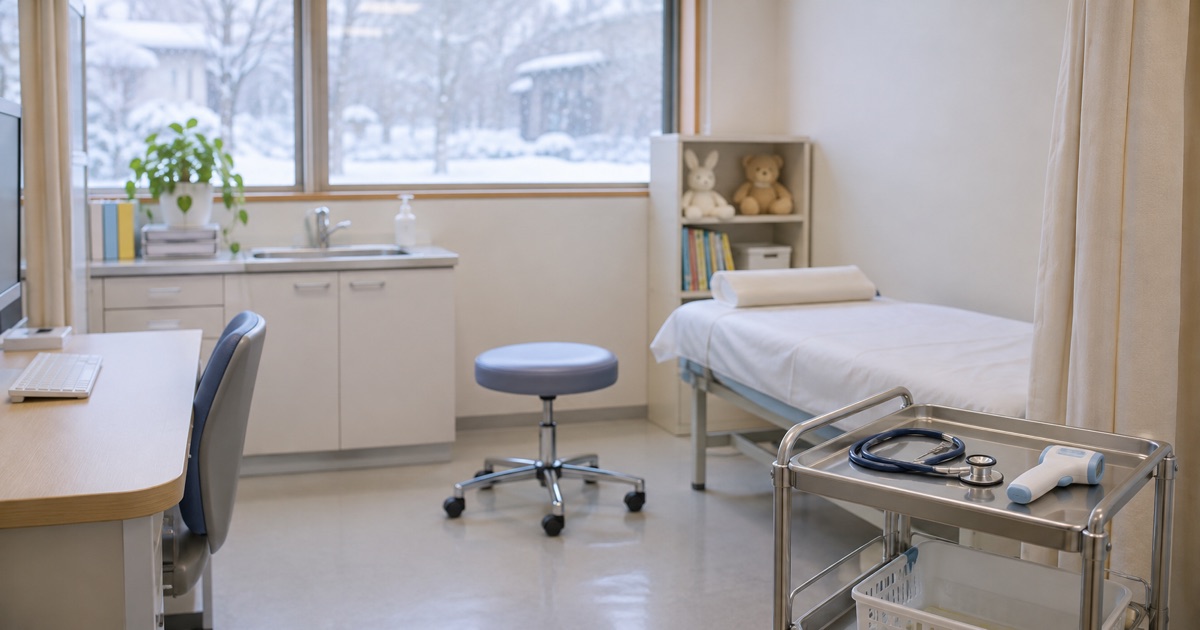
For daytime consultations regarding colds, mild fevers, or simple rashes, seek out a local pediatric clinic. Facilities such as Otaru Kids Clinic (located in the Katsunai district) and other neighborhood pediatric practices handle routine childhood ailments. These clinics are child-focused environments featuring shoe-free waiting areas, play corners, and nursing spaces.
Keep in mind that many local clinics utilize digital check-in systems. If you walk in without a Japanese phone number or local address, approach the front reception desk directly. Present your child’s passport, explain that you are an overseas tourist, and use a translation app to state your primary concern.
2. Otaru General Hospital (Otaru Shiritsu Byōin)
For more complex symptoms, daytime walk-ins requiring extensive blood tests, or urgent daytime evaluations, Otaru General Hospital (Otaru Shiritsu Byōin / 小児科) serves as the primary regional medical center. Located a short taxi ride (roughly 5 to 10 minutes) from JR Otaru Station, this facility houses a dedicated pediatric department alongside full diagnostic laboratories and emergency wings.
Large public hospitals in Japan prioritize referred patients, so non-referred walk-ins may encounter an extra administrative fee (often called a Sentei Ryōyōhi, typically several thousand yen) alongside routine consultation costs. Wait times can be long, so pack quiet toys, extra snacks, and spare diapers in your day bag.
3. Traveling to Sapporo for Specialist or English Care
If your child requires specialized pediatric care or an English-speaking medical coordination desk, Sapporo is very close. Rapid trains operated by JR Hokkaido run frequently along the Hakodate Main Line between JR Otaru Station and JR Sapporo Station, taking roughly 35 to 45 minutes.
In Sapporo, large facilities like Hokkaido University Hospital or dedicated international clinics offer broader multi-language support. If road conditions are clear, a taxi or private vehicle can make the trip in roughly 45 to 60 minutes, though winter snowstorms can extend transit times. You can check broader regional travel tips on the official Japan National Tourism Organization portal.

We are working to carry Japanese craft and everyday culture beyond Japan, by building Japan Towns with local partners.
Read the Japan Town plan →What to Do in an Emergency
If your child experiences severe breathing difficulty, sudden lethargy, seizures, or an acute allergic reaction, take action immediately:
- Call an Ambulance: Dial 119. Japan’s emergency operators often have access to three-way interpretation services. Speak clearly, state that you need an ambulance (kyūkyūsha / 救急車), and give your location or hotel address.
- Pediatric Telephone Advice (#8000): If you are unsure whether your child needs an emergency room visit in the middle of the night, dial #8000 from any domestic phone (or the regional Hokkaido pediatric hotline). This service connects parents to pediatric nurses who can advise whether to monitor symptoms until morning or seek immediate hospital care. While this line operates primarily in Japanese, hotel front desk staff can often assist in placing the call on your behalf.
- Hotel Front Desks: If you are staying at a hotel in Otaru, alert the concierge or front desk. Staff can rapidly identify the designated on-duty night hospital (tōban’in / 当番医) for that specific date and call a taxi for your family.
Practical Steps: Visiting a Clinic as an Overseas Visitor
Visiting a Japanese clinic without Japanese language ability is straightforward if you follow a few basic steps.
Step 1: Gather Essential Documents
Before stepping out the door, ensure you have:
- Passports: Both the child’s and the parent’s physical passports.
- Travel Insurance Policy: Your policy number, emergency assistance phone line, and claim instructions.
- Cash (Japanese Yen): Many neighborhood clinics in Hokkaido do not accept credit cards. Keep at least 20,000 to 40,000 JPY on hand to cover examination fees and immediate medications.
- Current Medications: Pack any regular inhalers, creams, or allergy medications your child is taking.
Step 2: Prepare a Symptom Sheet
Doctors appreciate precise timelines. Open a note app on your phone and write:
- The child’s exact age and weight (dosages in Japan are calculated strictly by weight in kilograms).
- When the symptoms started and peak fever temperatures (in Celsius).
- Medication given in the last 24 hours (such as paracetamol/acetaminophen or ibuprofen).
- Any known food or drug allergies.
- Key phrases translated into Japanese text, such as "Ear pain" (耳が痛い / Mimi ga itai) or "Vomiting" (嘔吐 / Ōto).
Step 3: The Consultation and Payment
At the clinic, remove outdoor footwear in the entryway (genkan) and switch into provided slippers (or proceed in socks if slippers are too large for toddlers).
After the doctor examines your child, they will issue an invoice and either dispense medicine directly at reception or hand you a prescription slip (shohōsen / 処方せん). If given a slip, take it to the dispensing pharmacy (chōzai yakkyoku / 調剤薬局) located immediately next door or across the street. Japanese pediatric medications are frequently formulated as sweet powders (san'yaku) designed to be mixed with a few drops of water or applesauce, though syrups are also common.
Always ask for an itemized receipt (ryōshūsho) and a diagnostic summary before leaving so you can successfully claim reimbursement from your travel insurer.
Practical Family Tips for Managing Sick Days in Otaru
- Strollers vs. Slings: If your child is sick during winter, snow-packed sidewalks make strollers impossible to push. Keep a sturdy baby carrier or sling available for clinic trips.
- Hydration & Comfort Foods: Japanese convenience stores (konbini) carry child-friendly rehydration solutions. Look for OS-1 or Pocari Sweat to prevent dehydration. Plain steamed rice balls (shio-musubi), mild udon noodles, or bananabread from local bakeries provide gentle nutrition for sensitive stomachs.
- Picky Eaters & Medicine: If your child resists powdered medicine, pick up a flavored medicine-assist jelly (Okusuri Nometane) from any Japanese drugstore (doraggusutoā). It masks the taste and texture completely.
- Resting Days: Otaru’s hilly streets require significant walking. If a child shows early signs of fatigue, modify your itinerary immediately. A quiet afternoon resting in your hotel prevents minor sniffles from escalating into major travel-disrupting illnesses.
FAQ
- Q. What should I do if my child gets sick late at night in Otaru?
- A. Call Japan's emergency services at 119 for an ambulance, or call the pediatric health line at #8000 for triage advice.
- Q. Can I use foreign travel insurance directly at a clinic in Otaru?
- A. Most small clinics require full payment in cash upfront. You then submit the receipts to your insurer for reimbursement later.
- Q. Do doctors in Otaru speak fluent English?
- A. English fluency varies. Using translation apps, writing down symptoms clearly, and carrying physical passport documents ensures a smoother consultation.
Cite or share this article
Copy the link below. If you quote this article, please link to this page as the source.