Shinjuku with Kids: A Tokyo Family Travel Chapter
Key takeaways
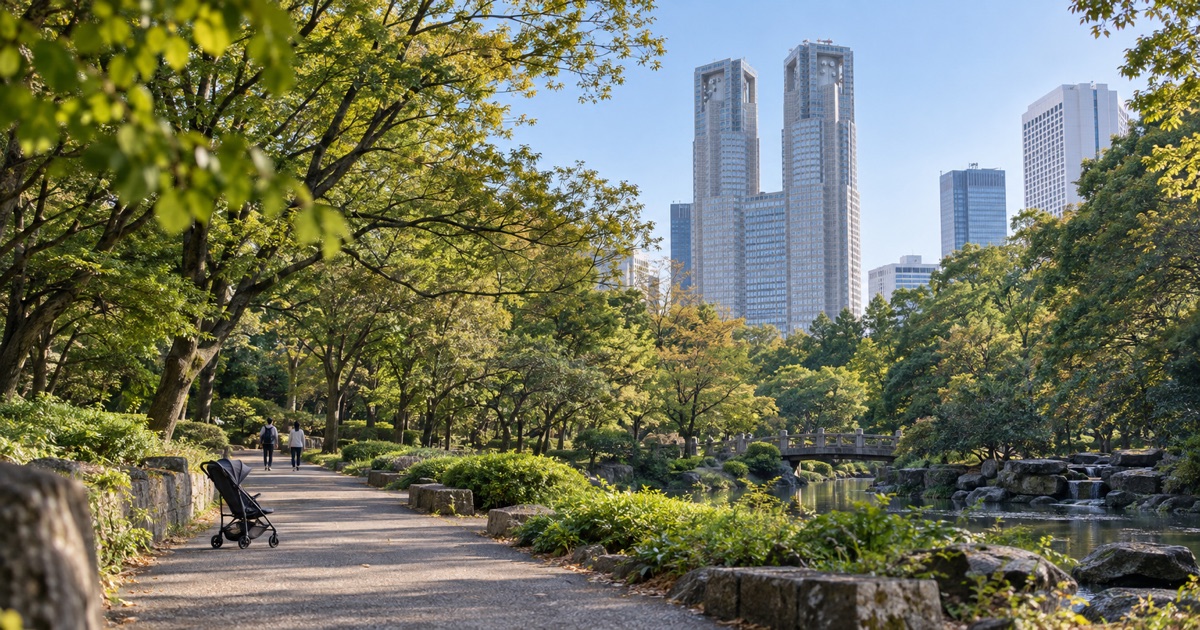
- Shinjuku works well with kids if you anchor your day around Shinjuku Gyoen or Shinjuku Central Park for rest breaks.
- Shinjuku Station is one of the busiest in the world; budget extra transfer time and pick one exit in advance.
- Early morning and early evening are calmer windows for strollers; midday rush hours (roughly 7-9am, 5-7pm) are best avoided.
Is Shinjuku Good for Families with Kids?
Yes, Shinjuku (新宿) works well as part of a Tokyo family itinerary, as long as you plan around its biggest challenge: crowds. Shinjuku is one of Tokyo's busiest hubs for shopping, dining and transport, but it also has genuinely calm, green spaces like Shinjuku Gyoen that make it manageable with a stroller or small children in tow.
This chapter of our Tokyo-with-kids coverage is written for first-time visitors who don't read Japanese and want a realistic sense of what a family day in Shinjuku actually looks like — not just a list of attractions, but how to move through the area without a meltdown (yours or theirs).
Why Shinjuku Can Be Tricky with Kids
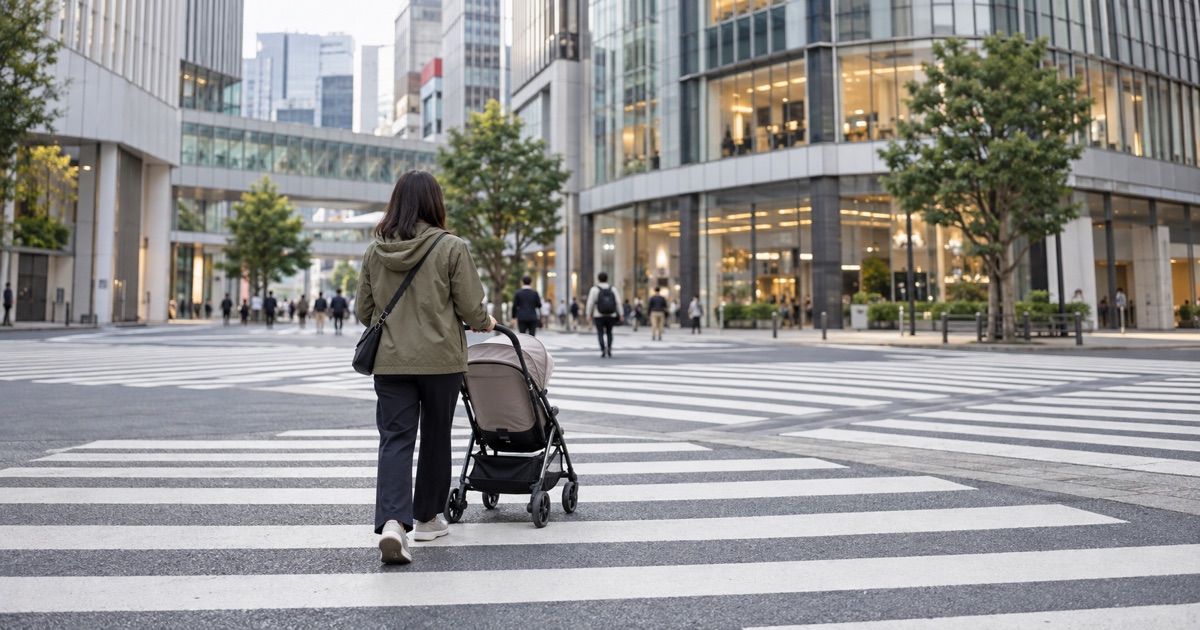
Shinjuku Station is widely cited as one of the busiest railway stations in the world, with multiple train and subway lines converging and dozens of exits. For a parent pushing a stroller or herding a tired toddler, the sheer scale can be overwhelming the first time you encounter it. Signage is generally good and includes English, but the number of people moving quickly through narrow corridors at peak times is the real obstacle.
The upside: once you're out of the station and into a specific area — the park, a department store, a quieter side street — Shinjuku calms down considerably.
Getting to Shinjuku with a Stroller
Shinjuku Station is served by JR lines (including the Yamanote Line), plus several private railways and subway lines. If you're coming from central Tokyo, JR East trains are usually the simplest option, and a Suica or similar IC card makes tapping through gates far easier than buying individual tickets, especially when you also have a stroller and bags to manage.
A few practical points:
- Pick one exit before you leave the train. Shinjuku Station has exits leading to very different areas (east side for shopping and entertainment, south side closer to some newer developments). Decide your exit in advance using a map app, rather than figuring it out once you're inside — the station is confusing even for repeat visitors.
- Elevators exist but aren't always obvious. Look for elevator signage or ask station staff; most staff are used to helping families and will point the way even with limited English.
- Avoid rush hours if you can. Roughly 7-9am and 5-7pm on weekdays are the most crowded windows. Mid-morning to early afternoon is generally calmer.
- Fold your stroller as a backup plan. Even with elevators, some connecting corridors get genuinely packed. A stroller that folds quickly (or a baby carrier as backup) reduces stress if you hit a bottleneck.
We are working to carry Japanese craft and everyday culture beyond Japan, by building Japan Towns with local partners.
Read the Japan Town plan →What to Do in Shinjuku with Kids
Shinjuku Gyoen National Garden
Shinjuku Gyoen (新宿御苑) is the clearest family-friendly anchor for a Shinjuku day. It's a large park with open lawns, ponds and seasonal scenery, including cherry blossoms in spring and autumn colours later in the year. There's generally an entrance fee for adults, with different rates or free entry for young children — exact prices and hours can change, so check the garden's current information before visiting.
For families, the appeal is simple: space. Kids can run on the lawns, there are benches for nursing or snack breaks, and the pace is completely different from the station area a short walk away. Bring a picnic blanket or light mat if you want to sit directly on the grass, and pack sun protection in warmer months since shaded seating can fill up.
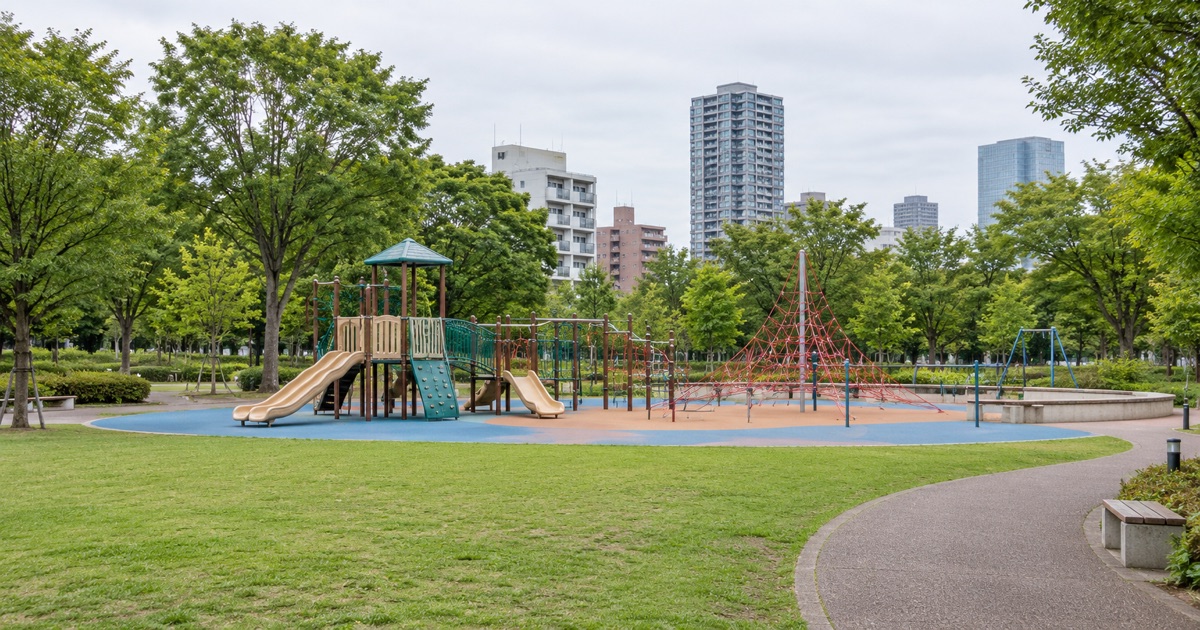
Shinjuku Central Park
Shinjuku Central Park (新宿中央公園) is another green option, located near the Tokyo Metropolitan Government Building area. It's generally free to enter and tends to be less crowded than Shinjuku Gyoen, making it a good backup if you just need a short break between errands or sightseeing rather than a half-day stop.
Department Stores and Indoor Breaks
Shinjuku has several large department stores near the station, which are useful on hot, cold or rainy days. Department store basements (depachika) are worth a look even with picky eaters — the range of prepared foods usually includes something mild and familiar, like plain rice balls, breads or noodle dishes, alongside more adventurous options for adults. Department stores in Japan also typically have clean public toilets, often with baby-changing facilities, which makes them a reliable rest stop when you're out with young children.
Toilets, Naps, and Rest Stops
Public toilets in and around Shinjuku Station and nearby commercial buildings are generally clean and well maintained, a point most first-time visitors to Japan comment on. Many include multipurpose stalls suitable for parents travelling with a stroller or needing space for a baby-changing table. That said, facilities can get busy at peak times, so it helps to use a toilet whenever you pass one rather than waiting until a child urgently needs it.
For naps, Shinjuku Gyoen's quieter lawn areas are a reasonable option if your child can nap in a stroller outdoors, weather permitting. Alternatively, building a short hotel or accommodation break into the middle of the day — even just an hour — can reset everyone before continuing.
Food for Picky Eaters in Shinjuku
Shinjuku has an enormous range of restaurants, which is both an opportunity and a source of decision fatigue with hungry kids in tow. A few practical approaches:
- Department store basement food halls (depachika) offer takeaway options you can eat in a nearby park, which is often less stressful than a sit-down restaurant with young children.
- Many family restaurants and casual chains common across Japan have picture menus or plastic food displays out front, which helps even without reading Japanese.
- If your child is a very cautious eater, plain rice, noodles without strong sauce, or simple grilled items are usually easy to find and order by pointing.
A Simple Half-Day Shinjuku Plan for Families
- Arrive at Shinjuku Station mid-morning, after the rush, using the exit closest to Shinjuku Gyoen.
- Spend a couple of hours at Shinjuku Gyoen — lawns, a slow walk, and a snack or picnic break.
- Head back toward the station area for lunch, choosing a depachika takeaway or a family restaurant with a picture menu.
- If energy allows, browse one department store for souvenirs or a toilet/rest stop before heading to your next destination.
This kind of loose, low-pressure structure tends to work better with kids than trying to pack in multiple distant sights, given how much time station transfers alone can take in a city this size.
Before You Go
Shinjuku rewards a bit of planning rather than improvisation. Check current opening hours and fees for Shinjuku Gyoen before your visit, since these can change seasonally, and confirm your train route in advance using resources like Japan National Tourism Organization alongside your railway provider's official site. Build in more transfer time than you think you'll need at Shinjuku Station, pack snacks and a refillable water bottle, and treat the first hour in the station as the most challenging part of the day — everything tends to get easier once you're settled into a specific spot.
FAQ
- Q. Is Shinjuku Station stroller-friendly?
- A. Elevators exist but can be hard to find in the crowds. Ask station staff or look for elevator signage, and allow extra time, especially at peak hours.
- Q. What is the best park in Shinjuku for kids?
- A. Shinjuku Gyoen (新宿御苑) is the most popular choice, with wide lawns, benches and space for children to run around; it has an entrance fee and posted hours that can change, so check before you go.
- Q. Are there baby-changing facilities in Shinjuku?
- A. Major department stores, Shinjuku Station facilities, and Shinjuku Gyoen's rest areas typically have multipurpose toilets with baby-changing tables, though availability varies by exact location.
Cite or share this article
Copy the link below. If you quote this article, please link to this page as the source.