Chiba Kids Activities: Best Family Days Out Near Tokyo

Key takeaways
- Chiba offers expansive, outdoor-focused family attractions located just 40 to 90 minutes from central Tokyo stations.
- Major parks like Mother Farm and Funabashi Andersen Park feature wide, stroller-friendly paths and nursery spaces.
- Navigating Chiba trains is straightforward via JR East lines, but bus transfers require pocket cash or transit IC cards.
The best Chiba kids activities combine wide-open nature, hands-on animal encounters, and active outdoor playgrounds, offering a welcome break from Tokyo's dense concrete streets. Located immediately east and south of Tokyo across Tokyo Bay, Chiba Prefecture provides spacious day trips—ranging from seaside aquariums to sprawling flower farms—that cater exceptionally well to toddlers, young children, and stroller-pushing parents.
Most international visitors only experience Chiba while landing at Narita Airport or visiting Tokyo Disney Resort. However, venturing slightly deeper into the prefecture reveals some of the most relaxed, child-centered spaces in the Greater Tokyo area. Here is a practical guide to planning the best family days out in Chiba.
Top Outdoor Playgrounds and Nature Parks
Funabashi Andersen Park (船橋アンデルセン公園)
Funabashi Andersen Park in central Chiba consistently ranks as one of Japan’s premier family parks. Designed around themes from the fairy tales of Hans Christian Andersen, the massive park is divided into several themed zones.
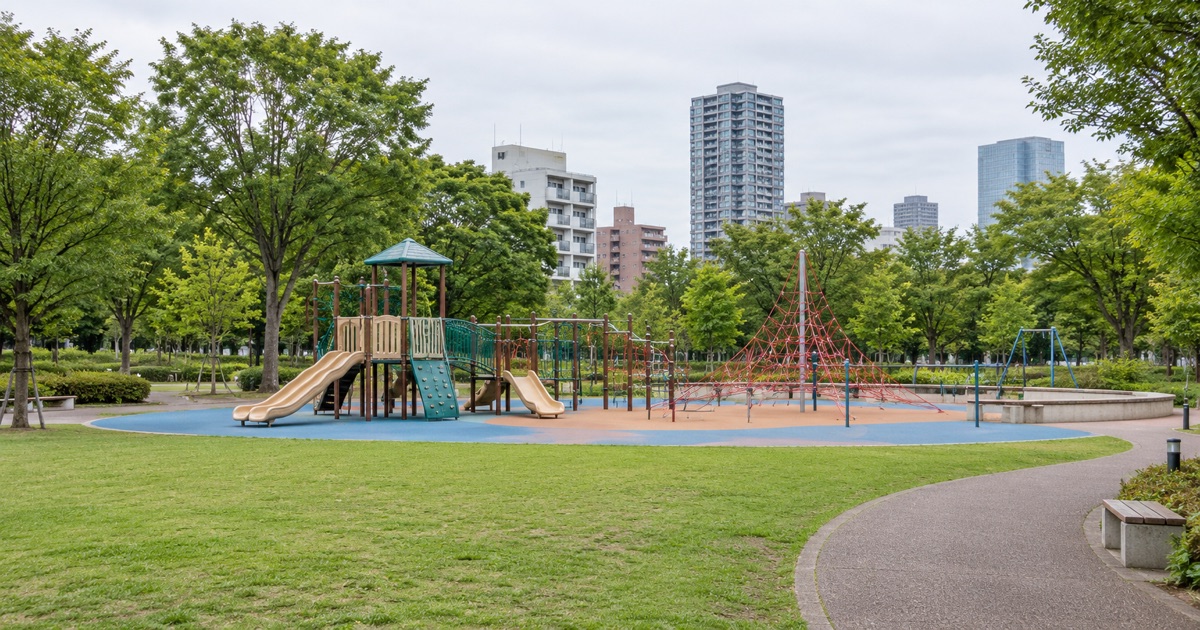
For children with energy to burn, the Wanpaku Kingdom Zone features an enormous wooden obstacle course, large roller slides, and an expansive outdoor splash pond that operates during warmer weather. Younger toddlers can enjoy a petting zoo area with goats and sheep, as well as a charming miniature train that circles through the trees.
- Stroller and Nursing Practicalities: The grounds are largely flat with paved paths, making heavy-duty strollers easy to push. Dedicated nursing rooms (akachan kyukeishitsu) with hot-water dispensers for baby formula and diaper changing pads are located near the main entrances.
- Food options: Casual food stands sell kid staples like yakisoba, fried chicken karaage, and soft-serve ice cream. Families are also welcome to bring their own picnic bento boxes and shade pop-up tents, which many local parents set up on the open grass fields.
- Getting there: Take the JR Sobu Line to Funabashi Station (船橋駅), then transfer to the Shin-Keisei Line to Misaki Station (三咲駅). From Misaki, local buses run directly to the park gates in roughly 15 minutes. Always check current schedules via JR East and local bus operators.
Mother Farm (マザー牧場)
Perched on the rolling hills of Mount Kano in southern Chiba, Mother Farm (Maza Bokujo) is an expansive agricultural tourist park covering 250 hectares. It is ideal for families who want to give city-dwelling kids a chance to interact with animals in fresh air.
Children can participate in piglet races, watch a sheep-shearing show, hand-feed alpacas, and pick seasonal fruit such as strawberries in winter and spring, or blueberries in summer. The farm also features a gentle amusement zone with a Ferris wheel that offers views across Tokyo Bay all the way to Mount Fuji on clear days.
- Stroller and Nursing Practicalities: Mother Farm is built on hillside terrain. While main walkways are paved, moving between the higher "Mountain Top" area and the lower "Plains" area involves long slopes that require strong pushing. A quirky animal-themed tractor train runs between the areas for a small fee, which saves tired toddler legs.
- What to pack: The hilltop position means it can be noticeably windier and cooler than Tokyo. Pack an extra light windbreaker or jacket, even if downtown Tokyo feels mild.
- Getting there: Take the JR Uchibo Line to Kimitsu Station (君津駅) or Sanukimachi Station (佐貫町駅), where direct buses run to the farm entrance. Travel time from Tokyo Station to Kimitsu is around 60 to 75 minutes on limited express trains.
Active Days: Monorails and Coastlines
Chiba Urban Monorail (千葉都市モノレール)
If you have a child fascinated by trains, riding the Chiba Urban Monorail is an activity in itself. It holds the Guinness World Record as the longest suspended monorail network in the world.
Because the train cars hang from an overhead track rather than riding on top of a rail, kids get the thrilling sensation of gliding directly over roads, rivers, and rooftops. Station platforms feature safety screen gates, making waiting with active toddlers relatively secure.
- Best Route for Families: Board at Chiba Station (千葉駅) and ride down toward Chiba Zoological Park Station (動物公園駅).
- Combine with Chiba Zoological Park: Right outside the station sits the city zoo, famous for its red pandas, standing lemurs, and relaxed, shady walking paths that rarely feel uncomfortably crowded.
Kamogawa Sea World (鴨川シーワールド)
Situated along the Pacific coast of southern Chiba, Kamogawa Sea World is one of Japan's most prominent marine parks. Its signature presentation is the killer whale (orca) performance set against the open Pacific Ocean backdrop.
The stadium features stadium-style bench seating, but be aware: the front eight rows are designated as an active splash zone. The whales consistently send wall-sized waves of seawater into the crowd. If your kids sit near the front, bring complete changes of clothes, waterproof bags for phones, or buy the plastic ponchos sold at the venue.
- Stroller Notes: Stroller parking areas are designated outside each main stadium. You will need to fold your stroller and carry babies or toddlers up into the stadium stands.
- Picky Eaters: The park features an underwater viewing restaurant where children can watch orcas swim while eating kid meal sets (okosama ranchi) that usually include rice balls, mini burgers, and juice.
- Getting there: Limited express Wakashio trains run from Tokyo Station directly to Awa-Kamogawa Station (安房鴨川駅) in around two hours, followed by a free 10-minute shuttle bus to the park.
We are working to carry Japanese craft and everyday culture beyond Japan, by building Japan Towns with local partners.
Read the Japan Town plan →Planning Tips for Parents Travelling to Chiba
Cash and Transit IC Cards
While modern card readers are everywhere inside Tokyo, some suburban Chiba bus lines that take you from train stations to parks only accept local transit IC cards (such as Suica or Pasmo) or exact physical Japanese yen. Always carry small cash bills (1,000 yen notes) and 100-yen coins in your daypack to pay bus drivers directly or buy drinks from roadside vending machines.
Managing Naps and Luggage on Transit
Unlike inner Tokyo's subway system, where trains arrive every two to three minutes, trains heading out into suburban Chiba might run every 15 to 30 minutes.
- Limited Express vs. Local: Where possible, book reserved seats on JR Limited Express trains (such as the Sazanami or Wakashio lines). Having a dedicated, guaranteed seat makes dealing with a sleeping toddler significantly easier than balancing on a crowded commuter carriage.
- Station Coin Lockers: Major interchange stations like Chiba, Funabashi, and Kaihimmakuhari feature coin lockers for luggage. Rural transfer stations often have very few lockers, so keep your daypack light.
Dealing with Weather Changes
Many of the best family spots in Chiba are fully outdoors. In the event of sudden rain:
- Alternative Indoor Stops: Consider visiting the Chiba Museum of Science and Industry (千葉県立現代産業科学館) in Ichikawa, located near commercial shopping centers with large indoor play spaces.
- Summer Heat: Outdoor parks in Chiba offer little shade on open grass lawns during July and August. Pack UV umbrellas, brimmed sun hats, and liquid rehydration drinks (pocari sweat or barley tea) purchased from station kiosks.
For up-to-date travel alerts, schedules, and nationwide transit tips, consult the Japan National Tourism Organization before starting your day trip.
FAQ
- Q. What is the best outdoor park for young children in Chiba?
- A. Funabashi Andersen Park is widely considered the best option for toddlers and elementary kids due to its huge playgrounds and splash ponds.
- Q. Can you visit Mother Farm without renting a car?
- A. Yes, you can take a JR train to Kimitsu Station or Sanukimachi Station and catch a dedicated local bus directly to the farm.
- Q. Are nursing rooms and diaper changing tables common in Chiba attractions?
- A. Yes, all major family destinations in Chiba have dedicated baby-care rooms, though smaller rural train stations may only offer basic multi-purpose restrooms.
Cite or share this article
Copy the link below. If you quote this article, please link to this page as the source.