Visiting Kure with Kids: Complete Family Day Trip Guide
Key takeaways
- Kure is an easy 30 to 45-minute direct train ride from Hiroshima Station on the JR Kure Line.
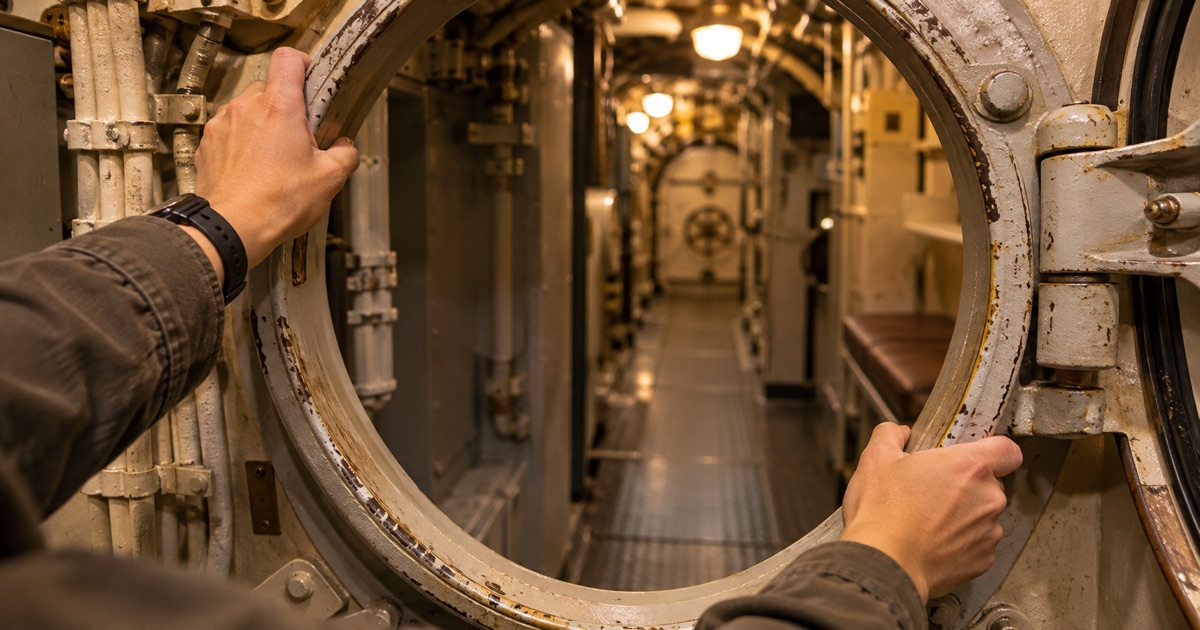
- Kids can walk inside an actual decommissioned diesel submarine for free at the Iron Whale Museum.
- The main museums are connected by flat walkways, making Kure very stroller-friendly and manageable.
Visiting Kure with kids is one of the easiest and most engaging day trips you can take from Hiroshima. Located just 30 to 45 minutes away by train, this historic naval port offers massive maritime museums, hands-on science exhibits, and the rare thrill of climbing inside a real, full-sized submarine.
For traveling families, Kure (呉) hits a sweet spot. The main attractions sit directly beside the port, connected by broad, flat elevated walkways that make getting around with a stroller practically effortless. Whether you have toddlers obsessed with big vehicles or older kids curious about engineering, here is everything you need to plan a smooth, stress-free family visit to Kure.
Why Kure Works Well for Families
Many historical destinations require extensive walking between sites, steep hills, or navigating quiet temples where energetic children can feel constrained. Kure is different.
The two headlining attractions—the Yamato Museum (呉市海事歴史科学館 / Kure Maritime Museum) and the JMSDF Kure Museum, nicknamed the Iron Whale Museum (てつのくじら館)—sit right across the street from one another. Both venues are designed for indoor comfort, making them fantastic choices regardless of rain or summer heat.
Because the town is compact, you can easily wrap up the major sights in half a day or take your time, pause for an easy waterfront picnic, and head back to Hiroshima in time for an afternoon nap.
Getting to Kure from Hiroshima
Getting to Kure is simple and straightforward for families navigating Japanese transit for the first time.
- Board the train at JR Hiroshima Station (広島駅): Head to the JR local train platforms and board the JR Kure Line (呉線).
- Choose your train type: Look for the rapid service (often called the Akiji Liner), which reaches Kure Station (呉駅) in about 30 to 35 minutes. Local trains stop at every station and take closer to 45 to 50 minutes.
- Use your IC card: You can tap through the ticket gates using standard IC cards such as ICOCA or Suica, or show your Japan Rail Pass if you hold an active nationwide or regional JR West pass. Check the JR West website for current regional pass options and route network details.
Once you arrive at JR Kure Station, follow the overhead signs toward the South Exit (港町方面). An elevated, covered pedestrian walkway leads you straight from the station concourse, through a small shopping mall, and over the roadway directly to the waterfront museums in about 5 to 7 minutes on foot. There are elevators at every transition point, so you never need to lug a stroller up outdoor stairs.
We are working to carry Japanese craft and everyday culture beyond Japan, by building Japan Towns with local partners.
Read the Japan Town plan →Top Sights to Explore with Kids
JMSDF Kure Museum (The Iron Whale)
You cannot miss this building because an actual 76-meter-long, decommissioned diesel-electric submarine sits perched on giant steel pillars outside. Known as the Akishio, this retired Japan Maritime Self-Defense Force vessel is the only real submarine on land in Japan that you can step inside.
Best of all, admission to the entire facility is completely free.
- The Main Exhibits: Before boarding the sub, children can learn about mine-sweeping boats and naval technology on the museum's lower floors. Interactive displays include mechanical gadgets and simulated controls that older children enjoy pressing.
- Inside the Submarine: A special gangway leads you straight through the steel hull of the Akishio. Inside, kids can see real crew bunks stacked three high, walk down ultra-narrow companionways, examine the control room, and peer through functional periscopes aimed at the surrounding harbor.
- Stroller Warning: While the modern exhibition building is fully accessible with elevators, the inside of the submarine features tight metal doorways, raised bulkheads, and steep steps. You must park your stroller in the designated holding area near the sub entrance and carry non-walking babies in a sling or baby carrier.
The Yamato Museum (Kure Maritime Museum)
Located directly across the plaza, this expansive museum honors Kure’s past as one of Japan's premier shipbuilding centers.
- The Giant Ship Model: The centerpiece of the grand atrium is a colossal 1:10 scale replica of the Battleship Yamato, spanning over 26 meters in length. Even toddlers who know nothing about military history will stop in their tracks at the sheer scale of the ship.
- Children's Science Floor: Head up to the third floor for the "Future" zone. Here, kids can experiment with hands-on displays demonstrating water flow, buoyancy, wind power, and basic physics. There are ship-steering simulators and tactile stations where little hands can turn cranks and test pulleys.
- Entry Details: Children under elementary school age usually enter for free, while adults pay a modest entry fee (roughly 500 to 600 yen). Check museum websites before your trip, as operational hours, renovation closures, and exhibition schedules can change throughout the year. General destination overviews are also available on the Japan National Tourism Organization website.
Kure Port Waterfront Walk & Green Spaces
Directly behind the Yamato Museum is Yamato Wharf (大和波止場), a pleasant open-air park overlooking the active shipping channel. The wooden deck is built to mimic the actual dimensions of the Yamato’s forward deck.
This is an ideal spot to let young children run around freely. Container ships, car carriers, and tugboats constantly motor across the bay, which provides endless entertainment for ship-loving kids.
Practical Tips for Parents: Food, Restrooms, and Strollers
What to Eat with Picky Eaters
Feeding children in Kure is relatively painless, as the town's famous dishes appeal to young palates:
- Naval Curry (呉海自カレー): Kure is renowned for Japanese-style curry, based on traditional recipes served aboard maritime vessels. Japanese curry is mild, savory, and slightly sweet, making it a reliable meal for kids. You can find family-friendly curry restaurants on the ground floor of the Youme Town shopping center next door or in the museum cafeterias.
- Convenience Food & Picnics: If your children are having an unpredictable day, the easiest option is the large Youme Town Kure (ゆめタウン呉) mall located right between the station and the museums. It features a massive supermarket with fresh fruit, bread, rice balls (onigiri), and mild deli foods. You can pick up lunch and eat on the waterfront benches outside the museum.
- Kure Udon: Unlike thick Sanuki udon, local Kure udon features thinner, softer noodles in a mild dashi broth, making it very gentle for toddlers and easy to chew.
Restrooms and Diaper Changing
Both the Yamato Museum and the JMSDF Museum are modern public facilities equipped with multi-purpose accessible restrooms (dare-demo toilet). These include fold-down diaper changing tables and toddler seats inside the stalls. Youme Town mall also offers comprehensive baby-care rooms with private nursing spaces and hot water dispensers for formula.
Managing Strollers and Naps
The pedestrian route between JR Kure Station, the shopping center, and the museums is completely paved, flat, and wide. You will not face issues navigating double strollers or umbrella strollers along this path. If your toddler falls asleep in the stroller during your outing, the waterfront promenade and the main halls of the Yamato Museum are quiet, wide, and smooth for rolling naps.
What to Bring on a Kure Day Trip
- A soft baby carrier or wrap: Essential if you plan to walk through the inside of the Akishio submarine with a baby or young toddler.
- Slip-on shoes: While most of the museums allow standard footwear, having shoes that kids can easily step into makes quick bathroom breaks easier.
- Light sun protection: The waterfront wharf has minimal shade, so bring sun hats for the children during sunny spring and summer visits.
- Small towels or wet wipes: Handy for quick cleanups after eating snacks along the port.
Common Mistakes to Avoid
- Forgetting museum closing days: Many Japanese municipal museums, including the Yamato Museum, typically close on Tuesdays (or the following day if Tuesday is a national holiday). Always verify opening schedules online when mapping out your itinerary.
- Rushing back immediately: Do not rush straight back to the train platform after touring the museums. Take 20 minutes to sit near the water and watch the naval vessels and commercial ships navigate the harbor. It often ends up being the part of the day that children remember most.
FAQ
- Q. How do you get from Hiroshima to Kure with children?
- A. Take the JR Kure Line rapid or local train directly from Hiroshima Station to JR Kure Station, which takes roughly 30 to 45 minutes.
- Q. Can you bring a stroller inside the submarine at the JMSDF Kure Museum?
- A. No, the submarine interior has narrow corridors and steep stairs, but stroller parking is available at the entrance before you enter the sub.
- Q. Is the Yamato Museum suitable for toddlers and younger children?
- A. Yes, toddlers love the massive 1:10 scale battleship model, and the hands-on science rooms offer interactive play for active little ones.
Cite or share this article
Copy the link below. If you quote this article, please link to this page as the source.