Mito Kids Menu Guide: Family-Friendly Dining in Ibaraki
Key takeaways
- Look for *okosama ranchi* (kids sets) in mall restaurant floors around Mito Station for hassle-free family dining.
- Japanese family restaurants offer picture menus, booster seats, stroller access, and low-allergen meal options.
- Carry pocket-pack wet wipes and small food scissors, as standard utensils in local diners may be adult-sized.
Finding a quality Mito kids menu is straightforward once you know that most Japanese child-friendly meals are labeled as okosama ranchi (おこさまランチ) or okosama setto (おこさまセット). Whether visiting Kairakuen Garden (偕楽園) or arriving via the JR Joban Line, parents will find reliable, child-ready dining clustered around Mito Station and the nearby shopping complexes.
Traveling with young children in a regional hub like Mito (水戸)—the capital of Ibaraki Prefecture—means balancing sightseeing with predictable meal stops. This guide covers where to look, what dishes to expect, practical logistics for strollers, and how to handle picky eaters when you do not speak or read Japanese.
Understanding the Kids Menu in Japan (Okosama Ranchi)
In Japan, a dedicated children's meal is a staple of family dining culture. In Mito, whether you visit an independent diner or a chain establishment, children's plates are designed specifically for young palates.
Common Dishes on a Children's Plate
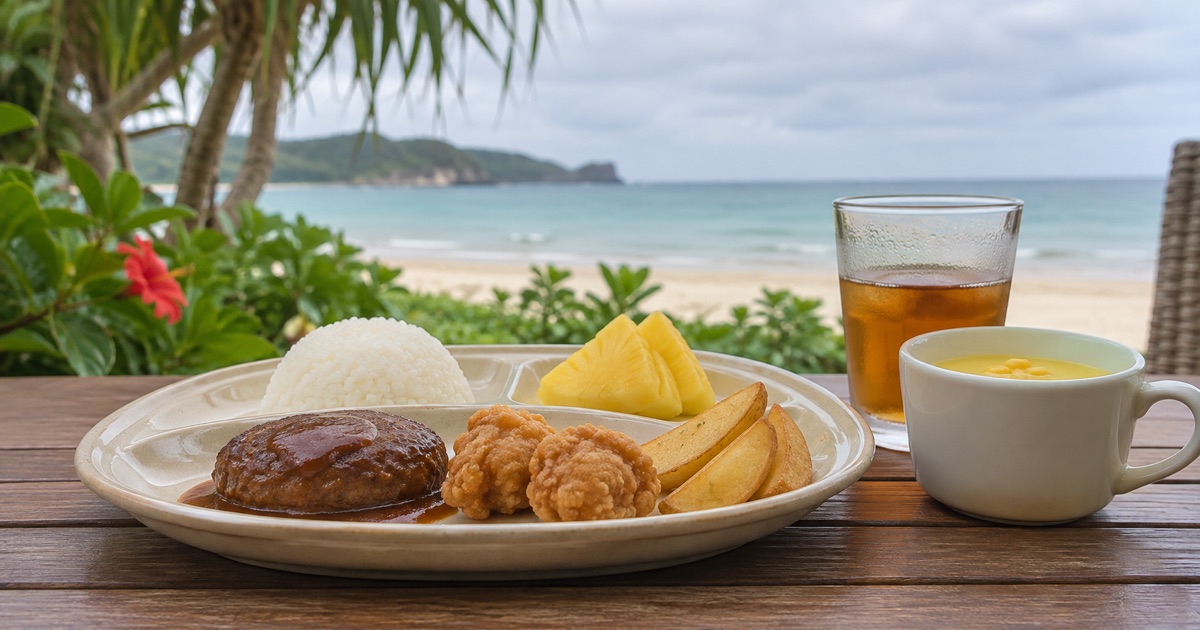
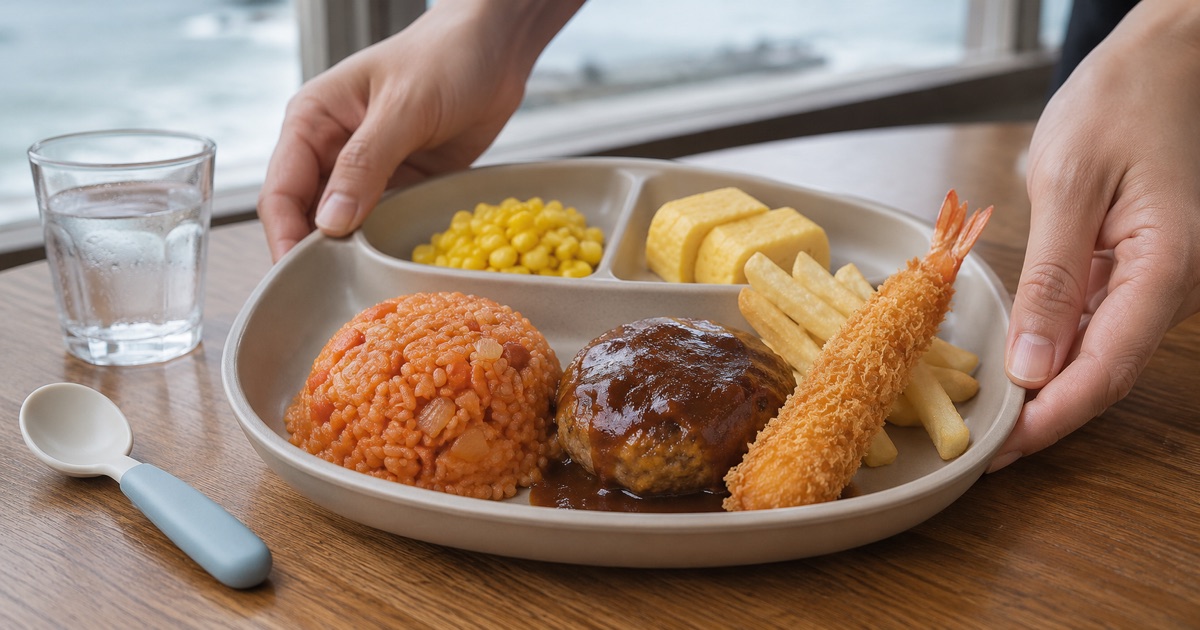
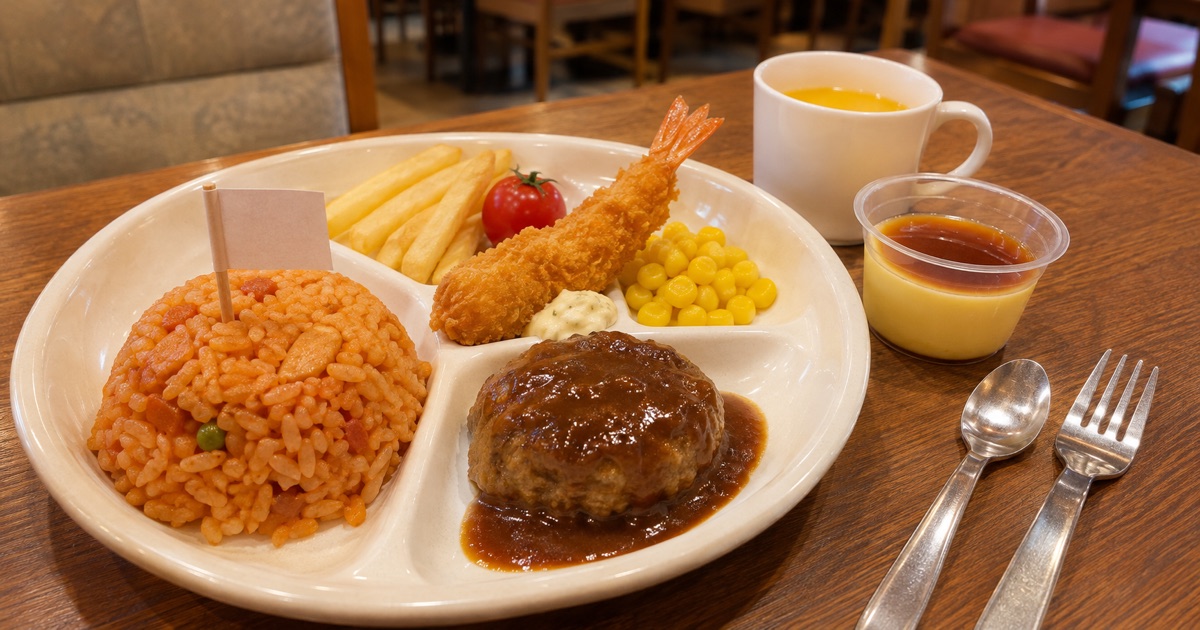
A standard kids plate in Mito generally features:
- A small mound of ketchup-seasoned rice (chikin raisu), often topped with a tiny paper flag
- A miniature hamburger patty (hambagu) with mild brown sauce
- Fried shrimp (ebi furai) or bite-sized fried chicken (karaage)
- Sweet corn, cherry tomatoes, or French fries
- A small cup of fruit jelly or pudding
- A drink bar cup or small juice carton
Most family-style restaurants also provide small toy incentives. The meal may arrive with a token for an in-store capsule toy machine (gachapon), or the server will bring a basket of small toys from which your child can choose one.
Low-Allergen Menus
If your child has dietary restrictions or food allergies, chain restaurants and larger department store eateries in Mito regularly provide teiarerugen menyu (低アレルゲンメニュー, low-allergen menu). These plates are typically prepared free of the top allergens, including eggs, milk, wheat, buckwheat, peanuts, shrimp, and crab. Ingredients can change, so always verify current allergen charts with restaurant staff upon arrival.
Top Locations for Family Dining in Mito
When tummies are rumbling and naptime is approaching, you want immediate seating without navigating steep staircases or cramped alleyways. Focusing on high-density dining hubs near transport links makes family meals smooth and predictable.
1. Mito Station Building: Excel and Excel Minami
The most convenient option for families arriving by train is the station complex itself. Both Excel (エクセル) and Excel Minami (エクセルみなみ) connect directly to Mito Station (水戸駅).
The upper restaurant floors of these buildings host casual Japanese dining establishments:
- Udon and Soba Shops: Udon is a parent's best friend in Japan. Soft, mild wheat noodles in clear broth are easy for toddlers to digest. Many noodle shops offer a mini udon bowl paired with a small side of rice or sweet fried tofu (kitsune).
- Tonkatsu (Pork Cutlet) Outlets: Tonkatsu restaurants often feature comfortable booth seating. Children's sets here usually include tender, bite-sized cutlets, rice, and shredded cabbage.
- Pasta and Western-Style Cafes: If your child prefers familiar Italian-American comfort food, casual spaghetti restaurants in the station building offer child-sized tomato sauce pasta plates with apple juice.
For train details connecting Tokyo to Mito, check the JR East official site.
2. Department Stores: Keisei Department Store (京成百貨店)
Located a short bus ride or brisk walk west of Mito Station along Route 50, Keisei Department Store features a full restaurant floor on its upper level.
Department store dining floors in Japan cater heavily to multi-generational families. The corridors are wide enough for double strollers, high chairs (kodomo-you isu) are readily available, and floor-level restrooms include baby changing tables and toddler-friendly seats. Kids sets here tend to be slightly more elaborate, ranging roughly between 700 yen and 1,200 yen.
3. Suburban Shopping Centers: AEON Mall Mito Uchihara
If you are renting a car to explore Ibaraki or traveling on the JR Joban Line toward Uchihara Station (内原駅), AEON Mall Mito Uchihara (イオンモール水戸内原) is an exceptional stop for families.
The mall offers:
- A massive third-floor food court with dedicated low-counter family seating zones.
- Independent family restaurants on the first floor with extensive picture-based kids menus.
- Rental character strollers shaped like small cars, which keep toddlers entertained while you browse.
- Dedicated nursing rooms (akachan kyukeishitsu) with hot-water dispensers for baby formula, private nursing cubicles, and sanitary diaper disposal units.
We are working to carry Japanese craft and everyday culture beyond Japan, by building Japan Towns with local partners.
Read the Japan Town plan →Kid-Friendly Restaurant Chains to Look For
When exploring neighborhoods outside the station, spotting well-known Japanese family restaurant (famiresu) logos makes finding a table stress-free. These chains all offer extensive kids menus with full photo displays and simple ordering systems.
- Gusto (ガスト): Features affordable kids plates, self-serve drink machines with juice varieties, and interactive digital tablets with English language support.
- Cococo's (ココス): Very popular for its seasonal themed kids meals, customizable hamburgers, and coloring sheets handed out right as you sit down.
- Bikkuri Donkey (びっくりドンキー): Known for its unique wood-panel menus and soft hamburger steaks served over rice, ideal for young children who dislike tough meats.
- Kura Sushi (くら寿司) or Sushiro (スシロー): Revolving sushi restaurants carry much more than raw fish. Kids menus feature sweet rolled omelet (tamago), miniature corn sushi, fried chicken, French fries, and noodle bowls delivered directly to your booth via automated conveyor belts.
Practical Tips for Dining with Kids in Mito
A smooth dining experience in regional Japan comes down to preparation and simple cultural awareness.
Stroller Logistics
While station malls and department stores are flat and accessible, small traditional diners (shokudo) in older parts of Mito often have narrow entryways and raised tatami seating steps.
- Bring a lightweight, foldable stroller that you can collapse quickly at the entrance.
- If directed to a tatami room (zashiki), remove your shoes and your children's shoes at the designated entrance platform. Many toddlers prefer tatami seating because they can sit comfortably on floor cushions without slipping off high chairs.
Handy Gear to Pack in Your Day Bag
- Food Shears: Japanese restaurants rarely provide table knives. A pair of portable plastic food scissors lets you cut up udon noodles, tempura, or meat into bite-sized pieces in seconds.
- Wet Wipes: While dining tables provide a small moist hand towel (oshibori), carrying your own travel pack of baby wipes is essential for messy toddler fingers.
- Spill Bibs: Restaurants usually supply child-sized spoons and plastic bowls (kodomo-you no utsuwa), but plastic bibs are rarely provided.
Useful Japanese Phrases for Ordering
You do not need to speak fluent Japanese to order a kids meal. Pointing to the picture on the menu while using these phrases is completely acceptable:
- "Okosama menyu wa arimasu ka?" (Do you have a kids menu?)
- "Kodomo-you no isu wa arimasu ka?" (Do you have a children's high chair?)
- "Sabi nuki de onegaishimasu." (Please make the sushi without wasabi.)
- "Kore o hitotsu kudasai." (Please give me one of this item.)
Planning Around Sightseeing and Naps
Mito is famous for Kairakuen, one of Japan's Three Great Gardens, especially during the plum blossom season in late winter and early spring. The garden grounds involve gravel paths that can be bumpy for small-wheeled strollers.
Plan to have an early lunch around 11:30 AM before the lunch rush, which typically peaks between 12:15 PM and 1:15 PM with local office workers and tour groups. Eating early guarantees you get high chairs before they run out and minimizes wait times for hungry little travelers.
For wider regional itineraries and sightseeing ideas throughout Ibaraki, refer to the Japan National Tourism Organization. Keep your daily meal plan flexible, embrace the colorful novelty of the classic kids plate, and enjoy family dining in Mito.
FAQ
- Q. What is a typical kids menu called in Mito restaurants?
- A. In Mito and across Japan, a children's meal is usually called *okosama ranchi* (kids plate) or *okosama setto* (kids set).
- Q. Are restaurants near Mito Station stroller accessible?
- A. Yes, major shopping complexes connected directly to Mito Station feature spacious elevators, wide aisles, and family restrooms.
- Q. How much does a kids meal cost in Mito?
- A. Children's meals typically range from roughly 400 yen to 900 yen, often including a drink, small dessert, or toy capsule coin.
Cite or share this article
Copy the link below. If you quote this article, please link to this page as the source.