Visiting Naoshima with Kids: Complete Family Guide
Key takeaways
- Book underground museums online well ahead, as strict entry slots sell out fast during peak seasons.
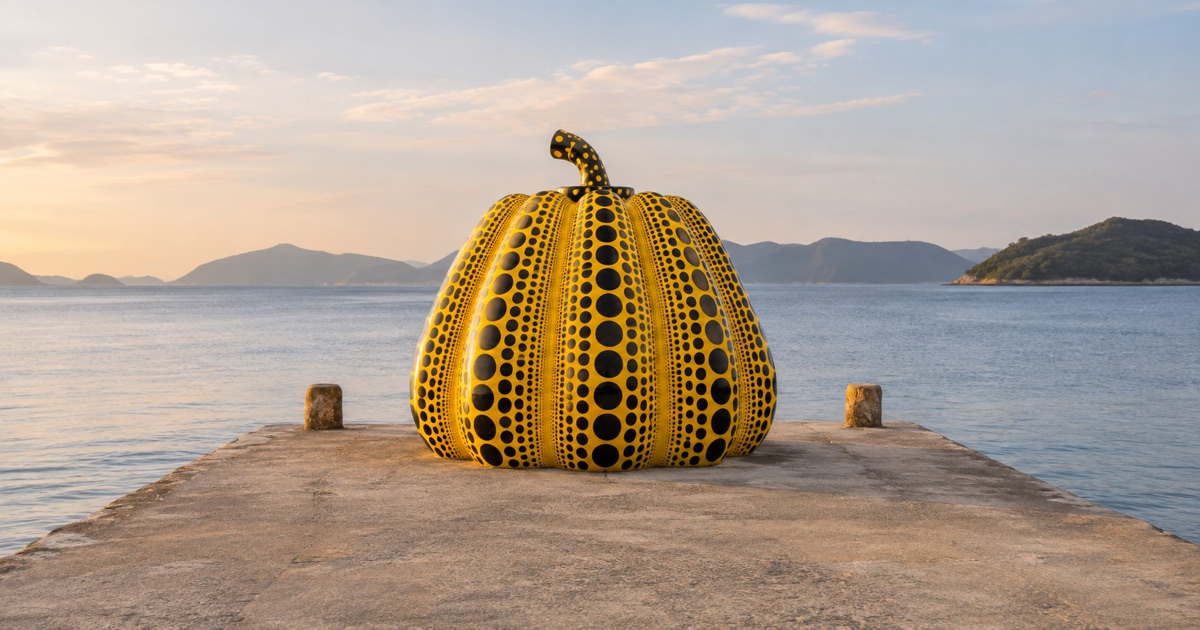
- Outdoor sculptures like Yayoi Kusama's pumpkins offer ideal space for young children to explore freely.
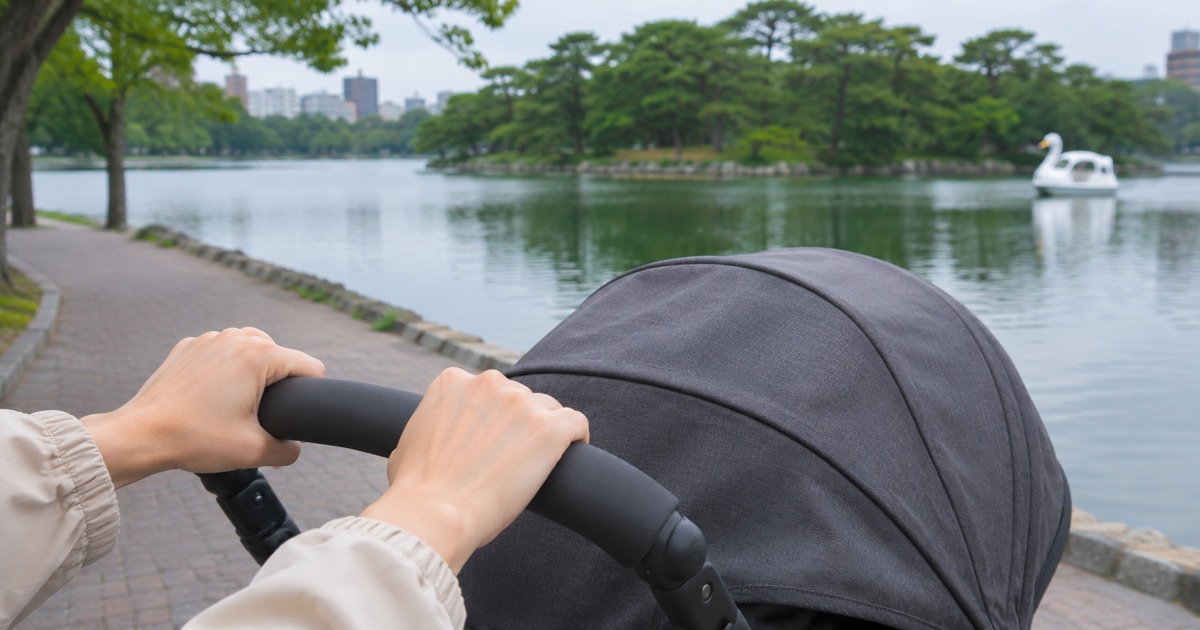
- Opt for a baby carrier over a heavy stroller because of island hills, narrow lanes, and museum steps.
Visiting Naoshima with kids is entirely doable and rewarding, provided you build your day around outdoor art sites, open spaces, and realistic travel pacing. While the island is world-renowned for high-concept contemporary galleries, vast outdoor installations like the iconic giant pumpkins offer plenty of room for energetic little feet.
Planning a trip to this peaceful corner of the Seto Inland Sea takes extra preparation. Museum slots fill quickly, island buses run on limited schedules, and historic fishing hamlets feature narrow roads with few sidewalks. This practical guide covers how to get there, how to get around, and how to keep young travelers happy and fed.
How to Get to Naoshima with Children
Reaching Naoshima involves combining train lines and local ferries. The journey is an adventure in itself, especially for children who enjoy boats and watching island scenery glide past.
Most travelers arrive via Okayama Station (岡山駅), a major stop on the Sanyo Shinkansen line operated by JR West. From Okayama, you have two main ferry departure points: Uno Port (宇野港) on the mainland, or Takamatsu Port (高松港) on the island of Shikoku.
- Board the JR Uno Line from Okayama Station to JR Uno Station (宇野駅), which takes roughly 45 to 60 minutes.
- Walk about five minutes from Uno Station to the Uno Port passenger ferry terminal.
- Buy your round-trip ferry tickets at the ticket window or automated vending machines.
- Take the regular passenger ferry for roughly 20 minutes to Miyanoura Port (宮浦港) on Naoshima.
The large car-and-passenger ferries are spacious and stable, with indoor bench seating and open-air decks. Restrooms with baby changing counters are generally available on board these larger vessels. Small foot-passenger speedboats also run this route, but standard ferries offer a much smoother ride for stroller storage and restless children.
Getting Around the Island: Strollers vs. Carriers
Getting around Naoshima requires some thought, as the island is surprisingly hilly outside the immediate port areas.
A sturdy baby carrier or wrap is vastly superior to a full-size stroller. While the paved waterfront around Miyanoura Port is flat, the Honmura (本村) historic district has narrow, traditional stone alleys. Furthermore, outdoor installations often sit along gravel paths, dirt tracks, and stairways where wheels struggle.
For family transit between art areas, you have three primary options:
- Local Town Bus: Small community buses run between Miyanoura Port, Honmura, and the Tsutsujiso (つつじ荘) bus stop. Fares are inexpensive (around 100 yen for adults, roughly half for school-aged children, with toddlers often riding free; check official signage). These buses are compact, meaning large strollers must be folded down before boarding.
- Museum Shuttle Buses: Free electric or standard shuttle buses connect the Tsutsujiso stop to the Benesse House area and Chichu Art Museum.
- Bicycle Rentals: Rental shops near Miyanoura Port offer standard and electric-assist bicycles. A few shops provide child seats, but these are extremely limited and cannot always be reserved in advance. If you have multiple young children, relying entirely on walk-up child-seat bicycle rentals can lead to disappointment.
We are working to carry Japanese craft and everyday culture beyond Japan, by building Japan Towns with local partners.
Read the Japan Town plan →Best Art Spots for Kids on Naoshima
Not every art space on the island suits toddlers or high-energy youngsters. Some indoor spaces demand reverent silence, dim lighting, and shoe removal. Focus your itinerary on sensory, open-air spots where children can move naturally.
The Iconic Pumpkins by Yayoi Kusama
Yayoi Kusama's famous polka-dot sculptures are the undisputed highlights for families.
The Red Pumpkin sits directly at Miyanoura Port. Children can walk right up to it and climb inside through hollow cutouts, making it an immediate hit straight off the ferry.
The Yellow Pumpkin stands at the end of an old pier near Benesse House. While kids cannot climb inside this one, walking along the pier over the gentle waves creates a memorable family photo spot. Keep a firm hand on small children here, as the pier does not have safety railings.
Benesse House Outdoor Sculpture Park
The outdoor grounds surrounding the Benesse House area slope down toward a natural pebble-and-sand beach. Vibrant sculptures are scattered across lawns and coastlines, including giant colored animal figures by Niki de Saint Phalle. Kids can view art while enjoying sea breezes, hunting for beach shells, and stretching their legs between indoor exhibits.
Art House Project (Honmura Area)
The Art House Project (家プロジェクト) turns abandoned village homes into architectural installations. Walking through the quiet neighborhood feels like a treasure hunt.
However, some sites have pitch-black interiors or water features that require close supervision. Minamidera involves walking into total darkness before your eyes adjust; this may delight brave older kids but can frighten toddlers who fear the dark.
Chichu Art Museum
Chichu Art Museum (地中の美術館) is built almost entirely underground to preserve the natural coastal landscape. It is stunning, but it requires strict advance reservations with timed entry tickets booked online.
Inside, quiet voices are requested, and certain rooms require shoes to be removed. If your baby or toddler is prone to loud vocalizations or running, this gallery can feel stressful for parents. Consider taking turns with your partner using the outdoor courtyard cafe while the other browses the exhibits.
Practical Tips: Restrooms, Naps, and Food
Island travel with little ones requires staying ahead of basic needs, as facilities are not as dense as in Tokyo or Osaka.
Bathrooms and Diaper Changing
Clean public restrooms are located at Miyanoura Port, the Honmura Lounge & Archive, and inside major museum ticket buildings. Dedicated baby-changing tables are present at the port terminal and Benesse sites, but they are scarce inside the smaller Art Houses in the village. Carry a portable changing mat and disposal bags in your daypack.
Pacing and Naps
Distances on the map look deceptively short, but waiting for local buses in summer heat or chilly sea winds can wear children down. Plan to see two or three key sites per day rather than rushing through every venue. If staying overnight on the island or nearby in Uno, schedule a mid-day downtime period away from the sun.
Picky Eaters and Dining
Dining on Naoshima requires early planning. Many local cafes are tiny family-run operations with limited seating, irregular rest days, and menus focused on fresh seafood or spicy curry.
- Cafes around Miyanoura Port and the Benesse House area often serve simple udon noodles, rice bowls, or pasta dishes that appeal to children.
- High chairs are rare in smaller island establishments; bringing a portable fabric high-chair harness is very helpful.
- There is a convenience store near Miyanoura Port. Stock up on favorite toddler snacks, bread rolls, fruit pouches, milk, and water before taking the bus into the residential art areas, as shops in the residential villages are sparse.
Packing Checklist for Naoshima
Pack light, as you will carry everything up and down ferry ramps and onto small buses. Leave large rolling suitcases at luggage storage facilities at Okayama Station or Uno Port.
- Soft Baby Carrier: Vital for walking village lanes and boarding ferries comfortably.
- Sun and Wind Protection: Hats, child-safe sunscreen, and light windbreakers. Coastal breezes can be brisk even on sunny days.
- Slip-On Shoes: Several art houses and museum sections require visitors to remove shoes before entering. Slip-on sneakers save significant time at doorways.
- Cash in Yen: Small buses, coin lockers, and traditional food stalls rarely take foreign credit cards or smartphone tap payments.
- Snack Supply: Carry backup crackers and rice balls to avoid hunger meltdowns between infrequent bus runs.
Respecting Island Life
Naoshima is a living community, not a theme park. Many art pieces sit adjacent to private residences where elderly locals garden and go about their daily routines.
Remind children to stick to paved paths, avoid touching residential walls, and keep voices to a conversational volume in the quiet alleys of Honmura. For broader advice on navigating transit and regional connections across the country, check the Japan National Tourism Organization before your departure. With the right expectations and a relaxed schedule, introducing your kids to the magic of the Seto Inland Sea will be an unforgettable family memory.
FAQ
- Q. Is Naoshima stroller-friendly for families with toddlers?
- A. While port areas are flat, narrow village lanes, outdoor dirt paths, and museum steps make a lightweight carrier much easier to manage.
- Q. Can children visit the Chichu Art Museum?
- A. Yes, children are welcome, though the underground gallery requires quiet voices, dim lighting adjustment, and pre-booked online time slots.
- Q. How much time should a family spend on Naoshima?
- A. A full day trip works well, but staying one night on the island allows families to explore at a relaxed, kid-friendly pace.
Cite or share this article
Copy the link below. If you quote this article, please link to this page as the source.