Traveling to Japan with a Baby: Practical Parent Guide
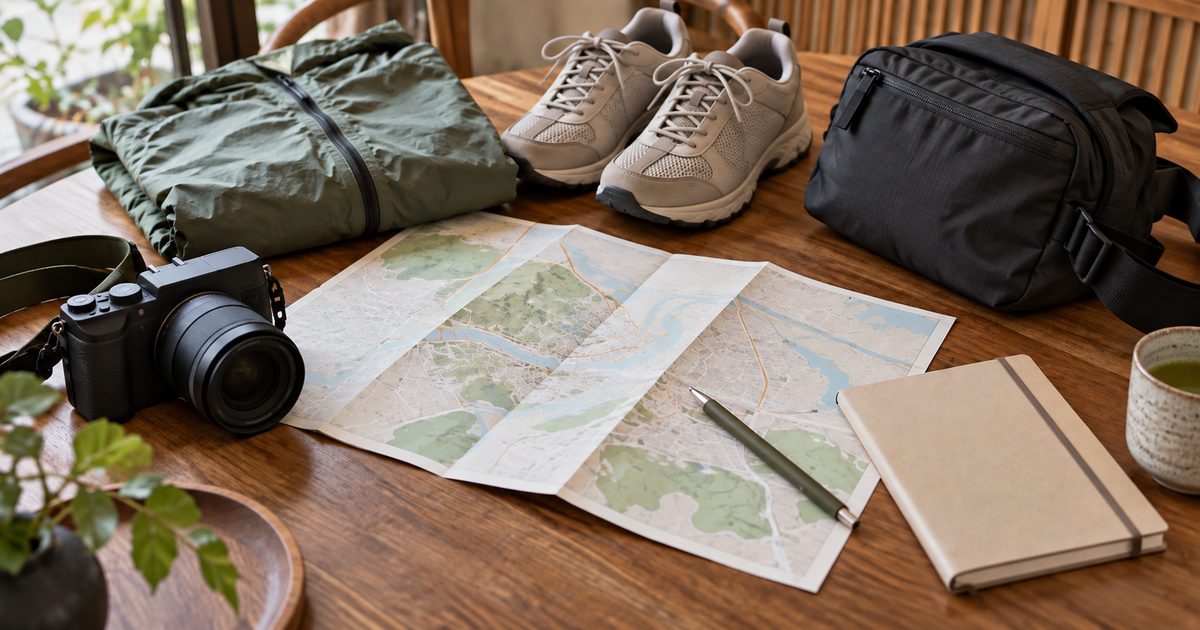
Key takeaways
- Japan is exceptionally clean and baby-friendly, with nursing rooms widely available in major stations and malls.
- A lightweight, compact stroller paired with a baby carrier is the best combination for crowded trains and temples.
- Convenience stores do not reliably stock diapers; buy baby supplies at pharmacies, department stores, or electronics superstores.
Traveling to Japan with a baby is entirely manageable and can be deeply rewarding, thanks to the country's high standards of cleanliness, safety, and thoughtful family infrastructure. With the right gear, realistic daily pacing, and an understanding of how to find nursing spaces and baby supplies, exploring Japan with an infant or toddler is far simpler than many first-time visitors expect.
Navigating foreign transit systems and language barriers can feel overwhelming when managing feeding schedules, naps, and diaper blowouts. This guide covers the ground-level details parents need to know, from train etiquette and stroller logistics to tracking down diapers and hot water.
Choosing the Right Gear: Stroller, Carrier, or Both
The Lightweight Folding Stroller
A compact, lightweight stroller that folds with one hand is an indispensable tool for walking through wide sidewalks, modern department stores, and spacious parks. Bulky, full-size jogging strollers are difficult to maneuver through narrow restaurant aisles, small hotel elevators, and crowded train platforms. Choose a model that fits comfortably through standard Japanese ticket gates (around 55 to 60 centimeters wide) and folds small enough to tuck behind your seat on bullet trains or intercity buses.
Why You Must Bring a Baby Carrier
Even with an ultra-compact stroller, a sturdy, breathable baby carrier is essential every single day in Japan. Major transit hubs, historic temples, and traditional neighborhoods like Kyoto's Gion (祇園) or Higashiyama (東山) feature numerous stairs, cobblestones, and steep inclines. Elevators in subway stations can involve long detours through subterranean corridors. During morning and evening rush hours, folding your stroller and wearing your baby in a carrier keeps your infant secure and allows you to move effortlessly through crowded platforms.
Essential Packing Extras
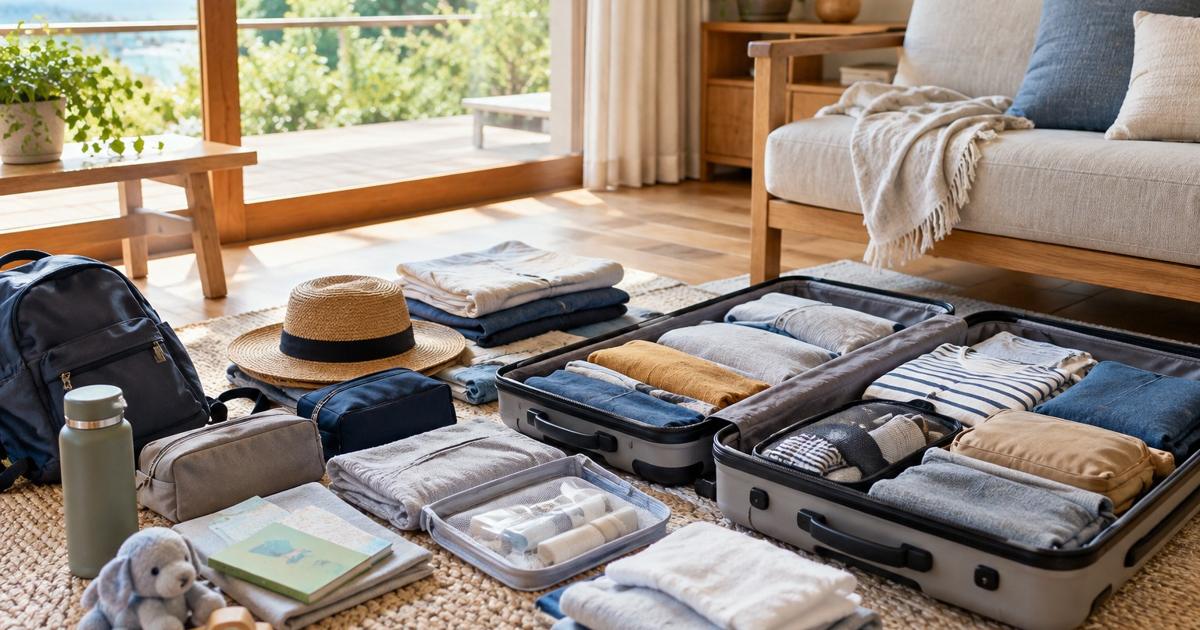
Pack a portable, wipeable changing mat, as some public changing tables are hard plastic without padding. Keep several sealable plastic bags in your daypack, as street trash cans are rare in Japan; you will often need to carry dirty diapers until you return to your hotel or find an appropriately marked public diaper bin. Bringing a light blanket or nursing cover is also helpful for staying discreet during transit.
Navigating Trains, Stations, and Elevators with an Infant
Finding Station Elevators
Most major train and subway stations across Tokyo and Osaka feature elevator access from street to platform, but finding them can take extra time. Look for the universal wheelchair/stroller accessibility icons on hanging overhead signage. If an elevator is out of the way, Japanese station staff at the ticket gates (改札口, kaisatsuguchi) are exceptionally polite and will point you directly toward the nearest lift. Allow an extra 10 to 15 minutes for any route requiring an elevator transfer.
Avoiding Rush Hour Crowds
Avoid boarding local trains between 7:30 AM and 9:00 AM, and between 5:30 PM and 7:00 PM on weekdays. Commuter trains in major metropolitan areas become packed tightly, leaving little room for a stroller and creating unnecessary stress for parents and infants. If you must travel during these windows, fold your stroller before entering the platform and keep your baby in a carrier.
Riding the Shinkansen with a Baby
Bullet trains (新幹線, shinkansen) operated by railway companies like JR Central are remarkably comfortable for families. Reserve seats in the last row of the carriage so you can stow your folded stroller in the space directly behind your seatback, or book seats with oversized baggage space if you have large luggage. Shinkansen carriages have quiet, smooth rides, and modern train models feature accessible, spacious restrooms with fold-down changing boards. If your baby becomes fussy, you can stand with them in the vestibule between carriages without disturbing other passengers.
We are working to carry Japanese craft and everyday culture beyond Japan, by building Japan Towns with local partners.
Read the Japan Town plan →Locating Nursing Rooms and Changing Facilities
The Magic of the Akachan Kyukeishitsu
Japan offers some of the most comprehensive public baby care rooms in the world, usually labeled as Akachan Kyukeishitsu (赤ちゃん休憩室, baby rest rooms). Typically found in major department stores (such as Takashimaya, Isetan, or Mitsukoshi), large shopping centers like Aeon malls, and large electronic superstores (like Yodobashi Camera or Bic Camera), these dedicated spaces are free to use.
What to Expect Inside Family Rooms
A standard Japanese baby care room usually features private, curtained nursing booths for breastfeeding mothers, clean changing tables, diaper disposal bins, and hot-water dispensers calibrated to roughly 70°C (158°F) for sterilizing and mixing baby formula. Some facilities even include vending machines selling baby juice, snacks, and wipes, alongside comfortable lounge seating for accompanying family members.
Multipurpose Restrooms in Transit
In train stations and subway hubs, look for multipurpose restrooms (多目的トイレ, tamokuteki toire). These private, fully accessible bathrooms feature wide doors, fold-down changing tables, and baby chairs (often called "baby keeps") mounted to the wall where an infant can sit securely while you use the toilet.
Buying Diapers, Formula, and Baby Food in Japan
Where to Purchase Baby Supplies
Do not rely on corner convenience stores (7-Eleven, Lawson, FamilyMart) for your primary baby supplies, as they generally stock only travel packs of two or three diapers, if any. Head instead to Japanese drugstores (such as Matsumoto Kiyoshi, Kokumin, or Sun Drug), large supermarkets, or big-box electronic retailers. For the widest selection, visit specialized baby goods chains such as Akachan Honpo (赤ちゃん本舗) or Nishimatsuya (西松屋) if you are near one outside central city cores.
Understanding Japanese Diapers
Japanese diapers (such as Merries, Moony, and Pampers) are renowned for high quality and softness. Be aware of the distinction on the packaging: tape-style diapers (テープ, tēpu) are typically used for younger babies, while pull-up style pants (パンツ, pantsu) are common once babies start crawling or walking. Packaging clearly lists weight ranges in kilograms (kg).
Baby Formula and Prepared Food
Powdered baby formula is available, but Japan also produces convenient formula cubes (such as Meiji Hohoemi Raku Raku Cube) that dissolve easily in hot water without the need for measuring scoops. Ready-to-eat baby food pouches and jars (from brands like Kewpie and Wakodo) are widely stocked in pharmacies. These are categorized by age suitability in months (5 months, 7 months, 9 months, and 12 months). Because labels are in Japanese, use a camera translation app to check ingredients if your child has food allergies.
Dining Out with a Baby: Practical Strategies
Choosing the Right Restaurant Types
Small, counter-only ramen shops, traditional izakayas, and basement bars are often cramped, smoky, and poorly suited for babies or strollers. Instead, target family restaurants (such as Gusto, Royal Host, or Saizeriya), department store restaurant floors, and casual food courts inside shopping malls. These establishments routinely offer high chairs, plastic tableware, hot water, and ample space to park a stroller alongside the table.
Tatami Seating and Etiquette
Traditional casual eateries with raised tatami floor seating (座敷, zashiki) are convenient for babies who cannot yet walk, as you can lay a blanket down and let them roll safely beside you. Always remove your shoes before stepping onto tatami mats, and never place stroller wheels directly on the straw matting. If feeding purees, be mindful to clean any stray food spills quickly to respect the venue.
Pacing Your Itinerary and Managing Naps
Slow Down Your Daily Schedule
A common mistake for first-time visitors is attempting a standard, packed Japan itinerary with a baby in tow. Crowds, sensory stimulation, and transit transfers tire babies quickly. Plan for one major neighborhood, temple, or museum per morning, followed by a relaxed afternoon in an open park like Tokyo's Shinjuku Gyoen (新宿御苑) or near the Kamogawa River (鴨川) in Kyoto.
Managing Jet Lag and Weather
Japan operates on Japan Standard Time (JST) without daylight saving adjustments. Adjusting an infant across steep time-zone shifts takes several days; keep early mornings open for quiet walks, as convenience stores and shrines are accessible early while regular shops stay closed until 10:00 AM or 11:00 AM. If visiting during summer (June through August), Japan's heat and humidity are intense; equip your stroller with a clip-on fan and a breathable shade cloth, and check general seasonal advisories via the Japan National Tourism Organization before your departure.
By taking advantage of Japan's exceptional family infrastructure and packing a flexible mix of carrier and stroller, you can navigate cities and countryside with confidence, ease, and comfort.
FAQ
- Q. Is Japan easy to visit with an infant or baby?
- A. Yes, Japan is very safe, exceptionally clean, and well-equipped with public nursing rooms, hot-water dispensers, and family restrooms.
- Q. Can I easily buy diapers and formula in Japan?
- A. Diapers and formula are sold at drugstores, large supermarkets, and department stores, though convenience stores usually carry only small emergency packs.
- Q. Should I bring a stroller or a baby carrier to Japan?
- A. Bring both: a lightweight, easily foldable stroller for walking through flat city streets, and a baby carrier for train transfers, stairs, and shrines.
Cite or share this article
Copy the link below. If you quote this article, please link to this page as the source.