Hakodate Kids Plaza: A Family Guide to Free Indoor Play
Key takeaways
- Hakodate Kids Plaza is a free, indoor play facility suited to babies through early elementary kids.
- It's a reliable rainy-day or winter backup plan in a city with limited indoor play options.
- Plan around 1-2 hours; bring socks for everyone, since shoes come off inside the play areas.
What Is Hakodate Kids Plaza?
Hakodate Kids Plaza (函館市子どもの広場, sometimes signposted simply as a children's play facility) is a free indoor play space in Hakodate, Hokkaido, designed for babies through early elementary-age children. It's the kind of place local parents use on rainy afternoons or in the depths of winter, when outdoor sightseeing with a toddler stops being fun for anyone.
For visiting families, it fills a real gap. Hakodate is a wonderful city to explore with kids — the morning market, the ropeway up Mount Hakodate, the old warehouses at Kanamori — but almost none of that is built for a two-year-old who needs to run, climb, and make noise indoors. This plaza is.
Who It's Best For
- Families with babies and toddlers who need a safe crawling and walking space
- Parents of preschool and early elementary kids looking for free, low-pressure play
- Anyone visiting Hakodate in winter, when outdoor play is limited by snow and cold
- Families with a rainy or very hot day to fill between sightseeing stops
It's less useful for older elementary kids or tweens, who will likely find the equipment too young for them after ten minutes.
What's Inside
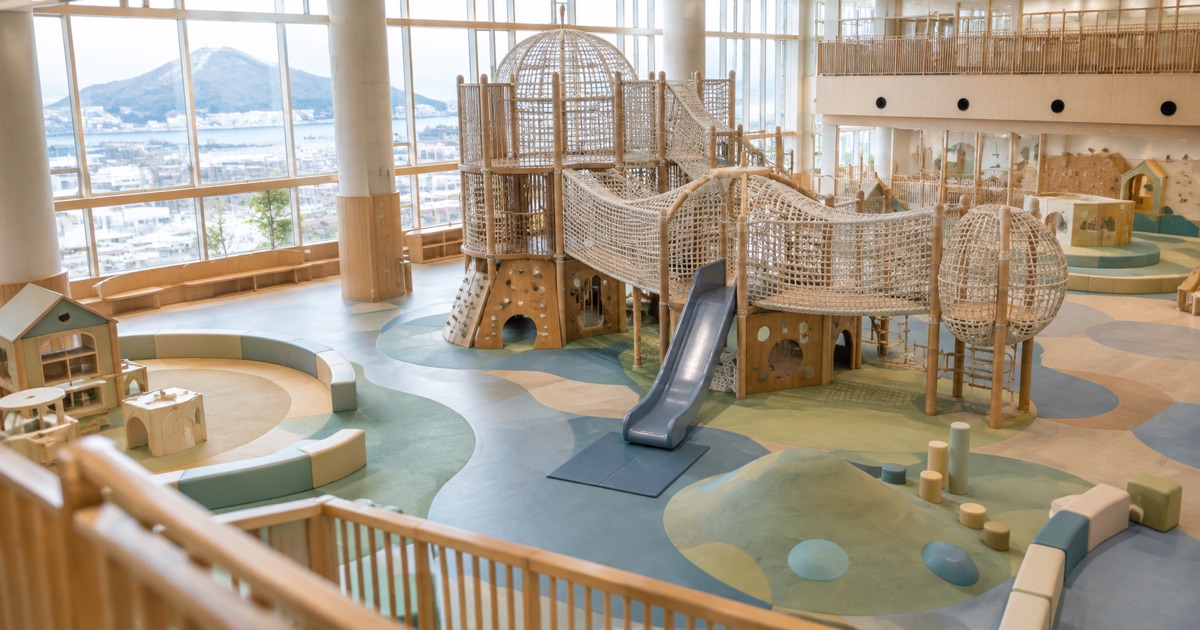
Facilities like this one in Japan typically include a mix of the following, though exact layouts and equipment can change over time:
- A soft-floored baby and toddler area, separated from the main play space
- Larger play structures, slides, or climbing equipment for preschool and early elementary kids
- Ride-on toys, blocks, and other free-play items
- A reading or quiet corner with picture books
- Tables for snack time or quiet play
Because it's a municipal facility rather than a commercial play center, don't expect anything flashy. It's simple, clean, and functional — which is exactly what you want after a long morning of sightseeing with a tired toddler.
We are working to carry Japanese craft and everyday culture beyond Japan, by building Japan Towns with local partners.
Read the Japan Town plan →Practical Details Parents Ask About
Cost and Hours
Hakodate Kids Plaza is generally free to enter, which makes it an easy add-on to a day's itinerary without worrying about ticket costs for multiple kids. Opening hours and any closed days (many municipal facilities in Japan close on a fixed weekday or around the New Year holidays) can change, so check the facility's current information on the Hakodate City official website before you go, ideally in English via a translation tool if no English page is available.
Getting There
Hakodate's city center spreads along the waterfront, with the Hakodate Station area, the Motomachi slopes, and Yunokawa Onsen as the main tourist zones. Kids Plaza is not directly in the busiest tourist strip, so most families will need to take a local bus or a short taxi ride.
- Confirm the current address and nearest bus stop on the official website or with your hotel's front desk.
- Ask staff at your accommodation to write down the facility name and address in Japanese — this makes bus drivers and taxi drivers' jobs much easier.
- Budget extra time for bus schedules, which in Hakodate can be less frequent than in larger cities like Sapporo or Tokyo.
- If you're short on time or traveling with a sleeping baby, a taxi is often the simpler choice despite the slightly higher cost.
Hakodate itself is reached by the Hokkaido Shinkansen to Shin-Hakodate-Hokuto Station, followed by a local train into central Hakodate, or by flying directly into Hakodate Airport. For shinkansen schedules and passes, see JR Hokkaido or Japan National Tourism Organization for general route planning.
What to Bring
- Socks for everyone, adults included — most play areas in Japan require shoes off, and bare feet aren't always allowed on shared play mats.
- A light change of clothes for toddlers, in case of spills or an enthusiastic session on the play equipment.
- Your own snacks and water, since vending and food options inside these facilities are usually minimal or non-existent.
- Hand sanitizer or wipes, as these spaces see heavy daily use from local toddlers.
- A baby carrier if you're also managing a stroller, since strollers typically need to be left at the entrance rather than wheeled into the play area.
Strollers and Naps
Strollers can usually be parked near the entrance, but check for a designated stroller area when you arrive — staff will often point you to one without being asked, which is a common and welcome feature of Japanese childcare facilities. If your child naps on a schedule, plan your visit either right before or right after nap time; the play area is stimulating enough that most toddlers won't settle down easily inside.
Toilets and Picky Eaters
Public facilities like this generally have accessible toilets with baby-changing provisions, though the scale varies by building. If your child is a picky eater, don't rely on finding familiar snacks nearby — bring something from a convenience store (konbini) beforehand, since Hakodate's central shopping areas may be a bus ride away from the plaza itself.
A Simple Half-Day Plan
For families balancing sightseeing with playtime, one workable rhythm is:
- Morning: visit Hakodate Morning Market or the Motomachi slopes for an hour or two.
- Midday: head to Kids Plaza for free play and a break from stroller-pushing, timed around lunch or just after.
- Afternoon: nap in transit (stroller or carrier) back toward central Hakodate, then an easier activity like the Hakodate Museum of Northern Peoples or a gentle walk along the Bay area.
This kind of "sightseeing, then burn energy indoors, then quiet activity" loop tends to work well for toddlers and preschoolers, who struggle with long stretches of adult-paced walking.
Common Mistakes to Avoid
- Not checking closed days in advance. Many municipal play facilities in Japan close on a specific weekday (often Monday) or around public holidays — don't make it your only plan for the day without a backup.
- Forgetting socks. Families sometimes arrive in sandals or barefoot shoes and are caught off guard by a socks-only policy.
- Assuming English signage. Staff may have limited English, so having the facility name and address written in Japanese on your phone saves time with taxi drivers and bus staff.
- Treating it as an all-day activity. Most families spend somewhere around one to two hours here — enough to reset a toddler's mood, not a full day's itinerary.
Final Tips
Hakodate Kids Plaza won't be the highlight of your Hokkaido trip, but it's a quietly useful stop that can save a difficult afternoon with young kids. Build it into your schedule as a flexible, free option rather than a must-see, confirm current hours before heading out, and pair it with a nearby sightseeing stop so the detour feels worthwhile. For broader trip planning and transport options around Hokkaido, the Japan National Tourism Organization site is a reliable starting point.
FAQ
- Q. Is Hakodate Kids Plaza really free to enter?
- A. Yes, entry is generally free, though this can change, so check the official Hakodate city website before you go.
- Q. How do I get to Hakodate Kids Plaza without a car?
- A. It's reachable by local bus or taxi from central Hakodate; ask your accommodation for the current bus number and stop, since routes occasionally change.
- Q. Is it suitable for babies and toddlers, not just older kids?
- A. Yes, there are usually separate zones for crawling babies and toddlers, with soft flooring, away from the more active play area for older children.
Cite or share this article
Copy the link below. If you quote this article, please link to this page as the source.