Renting a Toyota 4Runner with Kids in Japan: Is It Worth It?
Key takeaways
- The Toyota 4Runner (Hilux Surf) is rare in Japan; smaller minivans like the Toyota Sienta or Alphard fit families far better.
- Narrow mountain roads and tight parking garages make large SUVs stressful to drive and park across major tourist areas.
- Japanese child car seat laws are strictly enforced up to age six, requiring advance reservations with your rental agency.
Renting a large SUV like a Toyota 4Runner with kids in Japan is possible through specialty 4WD fleets, but it is rarely the most practical choice for a family road trip. For most routes involving tight historic streets, compact parking garages, and bulky strollers, a sliding-door Japanese minivan offers vastly superior comfort, lower stress, and easier daily access for young children.
Families planning a self-drive adventure through regional Japan—such as Hokkaido (北海道), the Japanese Alps around Nagano (長野), or rural Kyushu (九州)—often default to looking for rugged SUVs they know from back home. Understanding how large vehicles fit into Japan's road network will help you pick the right vehicle for your family and avoid unnecessary headaches.
Understanding the Toyota 4Runner in Japan
The modern Toyota 4Runner is manufactured primarily for North American and overseas markets. In Japan, its historical domestic market equivalent was known as the Toyota Hilux Surf (ハイラックスサーフ), which ended domestic production in 2009.
If you search for a "Toyota 4Runner" at standard airport rental counters such as Toyota Rent a Car or Nippon Rent-A-Car, you will generally not find it listed. Instead, the heavy-duty 4WD categories in Japan feature models like the Toyota Land Cruiser Prado (ランドクルーザー プラド), the Toyota RAV4, or the Toyota Harrier. A few niche campervan and overland rental shops offer imported or classic 4Runners and Hilux Surfs, but mainstream family fleets rely on modern domestic vehicles.
SUV vs. Minivan: The Reality of Japanese Roads
While an SUV provides excellent ground clearance and snow traction, day-to-day parenting logistics in Japan heavily favor the humble domestic minivan.
Narrow Roads and Blind Corners
Outside of major toll expressways, Japanese roads are notoriously narrow. Mountain bypasses, beachside towns, and residential access roads often narrow down to single-lane tracks with deep drainage ditches (gaiwa) on both sides. A wide SUV with high hood lines makes judging curb distances difficult, especially when you need to pull over onto soft shoulders to let oncoming delivery trucks pass.
Parking Garages and Coin Lots
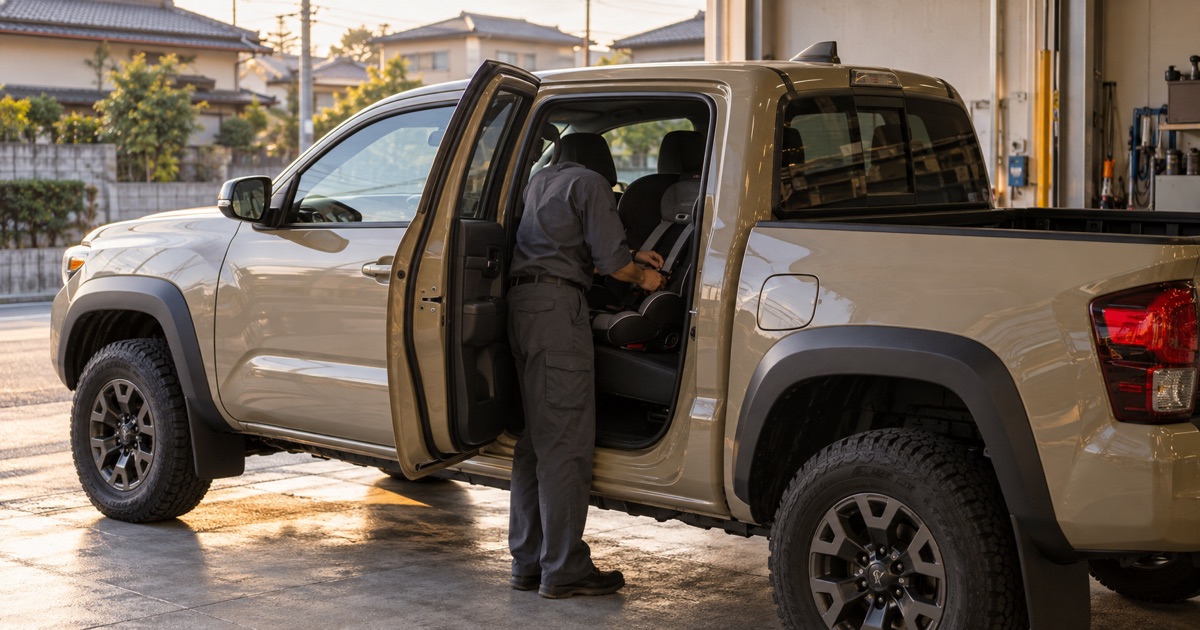
Most urban and suburban parking in Japan uses tight coin lots (time parking) or multi-story mechanical lift towers. Lift towers typically impose strict height, width, and weight limits that exclude full-size SUVs. Even in flat surface lots, parking stalls are noticeably narrower than in North America or Australia. Opening the heavy, hinged swinging doors of an SUV to hoist a sleeping toddler out without dinging the adjacent car can turn into a daily high-stress gymnastic routine.
Step-In Height and Sliding Doors
Domestic minivans feature flat, low floors and dual power-sliding doors. Toddlers and young children can step directly into the cabin on their own without climbing up a lifted running board. Sliding doors can be popped open via the key fob in a tight parking spot or pouring rain, allowing parents to strap children into their safety seats safely shielded from traffic.
We are working to carry Japanese craft and everyday culture beyond Japan, by building Japan Towns with local partners.
Read the Japan Town plan →Child Seats and Strollers: Packing and Space Logistics
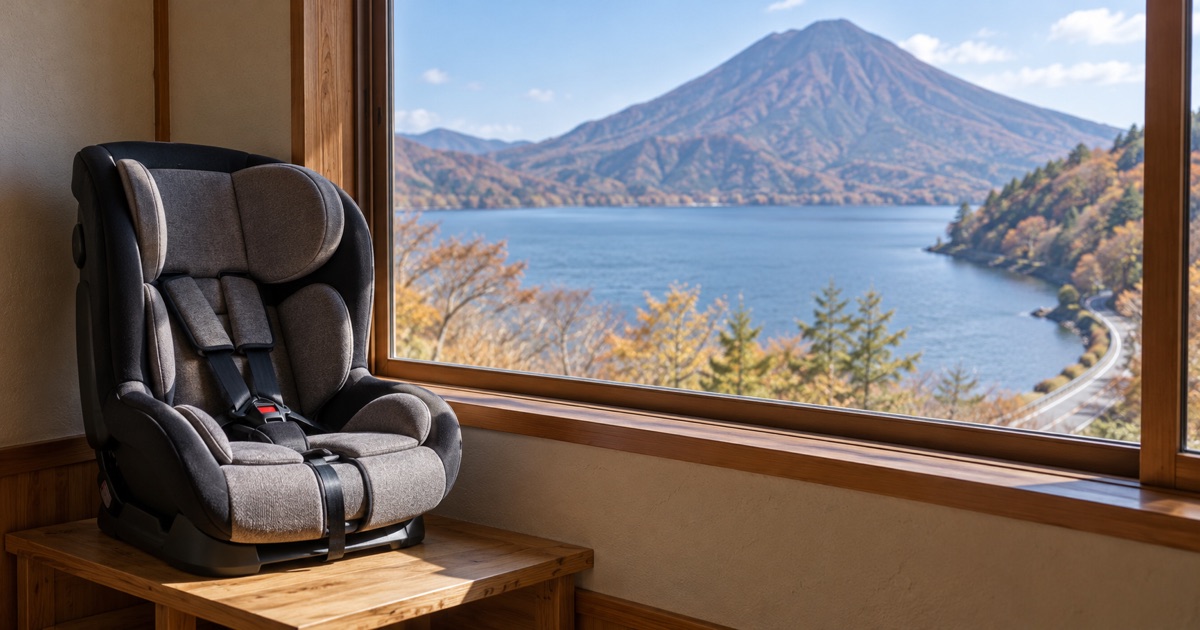
Japanese law strictly requires all children under six years of age to use a designated child restraint seat. Rental car agencies strictly enforce this rule; staff will not release a vehicle if you do not have adequate seats for every child under six.
Types of Child Seats Provided
Rental companies in Japan categorize seats by age and weight:
- Baby Seat (Infant): Rear-facing capsule for newborns up to around 9-12 months (up to 10 kg).
- Child Seat (Toddler): Forward-facing 5-point harness seat for roughly 1 to 4 years old (9 to 18 kg).
- Junior Seat (Booster): High-back booster or backless cushion utilizing the car's 3-point seatbelt for ages 4 to 6 and older.
Always reserve your child seats when booking the car online. During peak travel periods like Golden Week (late April to early May) and Obon (mid-August), child seats can completely sell out at major airport branches.
Managing Strollers and Luggage
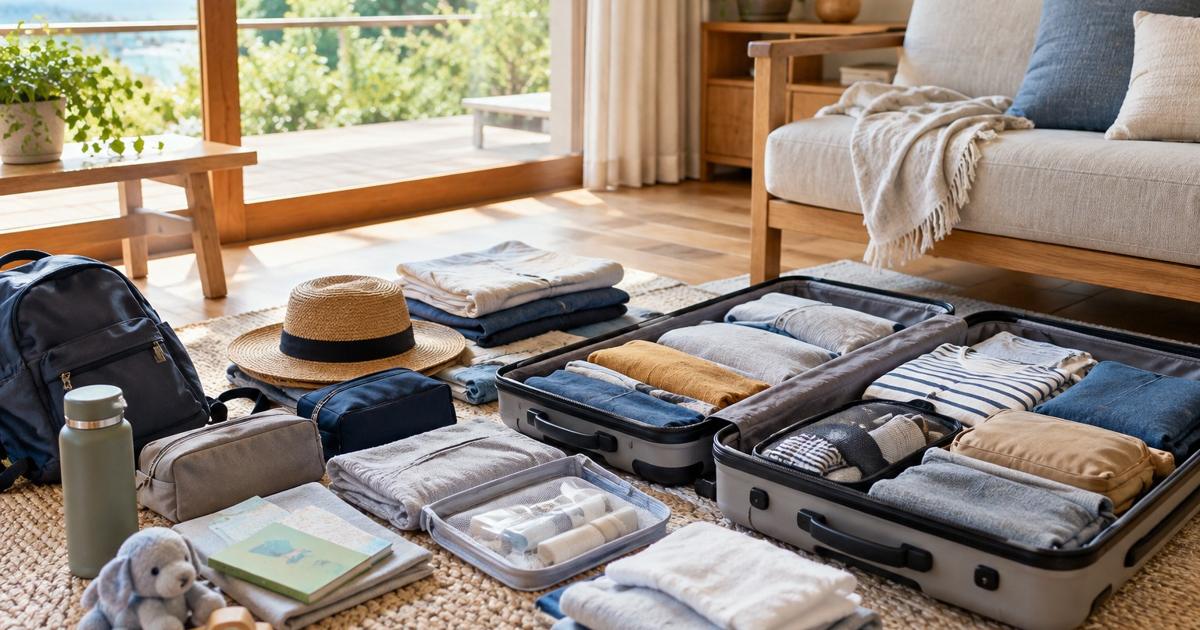
If you choose a mid-size SUV or 4WD, luggage space behind the second row can disappear quickly once you load two large suitcases, a travel stroller, and a diaper bag.
- Compact Strollers: Lightweight tri-fold strollers fit cleanly into footwells or upright in trunks.
- Full-Size Prams: Bulky full-size prams consume nearly the entire cargo floor of an SUV, forcing you to stack heavy suitcases high—a potential safety hazard for rear-seat passengers during sudden braking.
- Minivan Flexibility: Minivans like the Toyota Voxy (ヴォクシー) or Toyota Alphard (アルファード) feature third-row seats that fold up against the side windows, creating a deep, cavernous trunk space that swallows unfolded strollers and multi-week luggage sets with ease.
Recommended Family Alternatives to the 4Runner
If you want a comfortable, reliable family road trip vehicle, consider these widely available Japanese models instead:
1. Toyota Sienta (シエンタ) or Honda Freed (フリード)
- Best for: Families with 1 or 2 young kids carrying moderate luggage.
- Why it works: Incredibly compact footprint for effortless city parking, ultra-low floor height, dual sliding doors, and surprising interior headspace. It maneuvers through narrow rural villages without breaking a sweat.
2. Toyota Noah (ノア) / Voxy (ヴォクシー) or Nissan Serena (セレナ)
- Best for: Families with 2 to 3 children or those carrying bulkier gear.
- Why it works: The undisputed champions of Japanese family travel. These mid-sized boxy vans feature walk-through aisles (ideal for diaper changes or reaching a crying baby during highway rainstorms), massive window visibility, and captain's chairs that slide sideways and backwards.
3. Toyota Land Cruiser Prado (if you truly need a rugged 4WD)
- Best for: Deep-winter ski trips in Hokkaido or northern Tohoku (東北) off the cleared expressway network.
- Why it works: If your winter itinerary demands true full-time 4WD capability, the Prado is the primary vehicle rental companies stock. Note that rental rates and expressway toll categories are higher, and you will need to practice extra caution in narrow village streets.
Driving Tips for Visiting Parents
International Driving Permit (IDP)
Before leaving home, drivers must secure a physical International Driving Permit (IDP) issued under the 1949 Geneva Convention. Note that travelers from specific nations without Geneva ties (such as Switzerland, Germany, and France) must bring an official Japanese translation of their domestic license provided by the Japan Automobile Federation (JAF) or their home embassy. You will be denied the car at the counter without this physical paperwork.
Roadside Rest Areas (Michi-no-Eki)
When planning family road trips, map out routes using Japan's extensive network of designated roadside stations, called Michi-no-Eki (道の駅). These free-access government-partnered rest stops offer clean public restrooms, nursing rooms, regional fresh fruit and snacks, and safe outdoor green spaces where restless toddlers can burn off steam between driving segments.
Tollways and ETC Cards
Expressways in Japan are primarily toll roads. Always request an Electronic Toll Collection (ETC) card from the rental counter. The ETC card slots into an in-dash reader, allowing you to pass through automated toll gates without fumbling for cash or Japanese coins while your children are sleeping in the back. Toll charges are settled at the rental desk upon vehicle return.
Navigation and Child Meals
Rental cars come equipped with built-in navigation systems, almost all of which feature an English interface toggle. Inputting destinations using 7-digit phone numbers or MapCodes is far easier than typing Japanese addresses. For meals on the go, roadside convenience stores like 7-Eleven, Lawson, and FamilyMart carry healthy toddler staples, including plain rice balls (onigiri / おにぎり), steamed buns, cut fruit, and unsalted bread sticks.
For updated travel advisories, driving regulations, and regional scenic route guides across Japan, refer to the Japan National Tourism Organization before finalizing your itinerary.
FAQ
- Q. Can you rent a Toyota 4Runner in Japan for family travel?
- A. The 4Runner is an overseas model not sold in Japan today, though you can occasionally find its historic domestic equivalent, the Hilux Surf (ハイラックスサーフ), or modern 4WDs like the Land Cruiser Prado (ランドクルーザープラド).
- Q. Are large SUVs practical for driving with children in Japan?
- A. Large SUVs can be challenging due to narrow side streets, tight parking spaces, and high step-in heights for toddlers, making sliding-door minivans a much easier choice.
- Q. Do children need car seats when renting a vehicle in Japan?
- A. Yes, Japanese law mandates child car seats for all children under the age of six, and rental companies can refuse service if you do not reserve appropriate seats.
Cite or share this article
Copy the link below. If you quote this article, please link to this page as the source.